
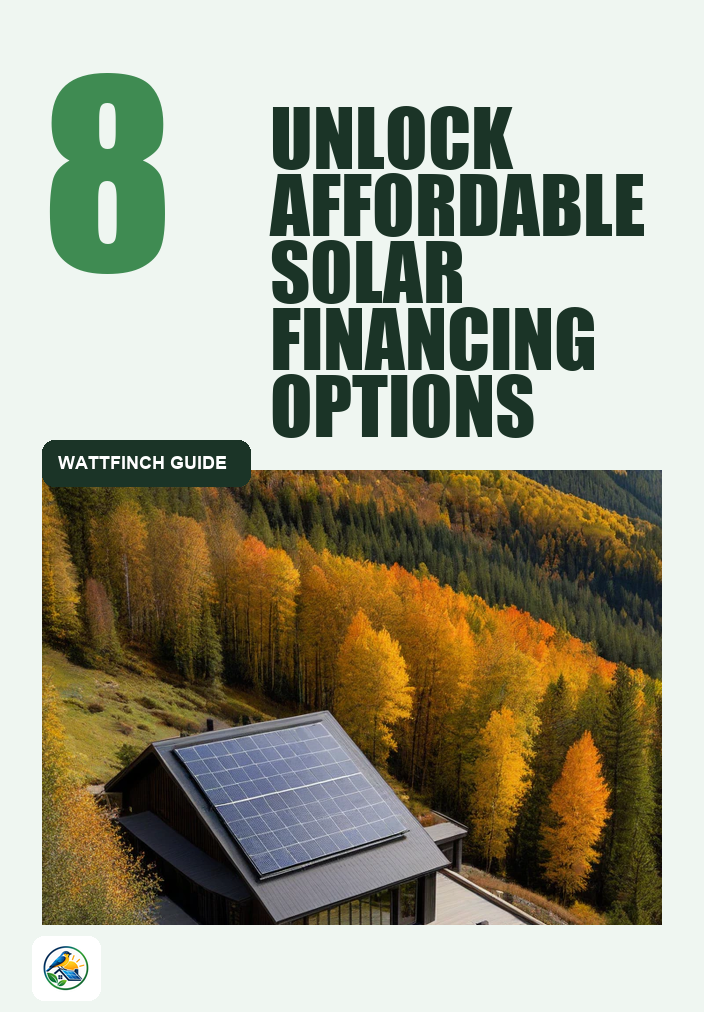
Understanding Solar Financing: Key Quote Comparisons for Homeowners
As a U.S. homeowner considering a residential rooftop solar system, understanding your financing options is critical to making an informed decision. Comparing quotes from different installers can be a daunting task, but it’s essential to ensure you choose a system that fits your needs and budget. This article will provide you with key insights into what to look for when comparing solar quotes and the various aspects of financing solar energy systems.
Types of Solar Financing Options
When considering solar financing, homeowners typically encounter several options. Each has its pros and cons, and the right choice depends on your financial situation, long-term goals, and the specific characteristics of your property. Here are the most common financing options:
- Cash Purchase: Paying cash for your solar system allows you to avoid interest payments and take full advantage of any available tax credits or incentives. However, this option requires a significant upfront investment.
- Solar Loans: Many homeowners opt for solar loans, which allow you to finance the purchase over time. Monthly payments can be lower than your current electricity bill, but be mindful of interest rates and loan terms.
- Leases: A solar lease allows you to pay a monthly fee to use the solar system without owning it. While it requires little upfront capital, you won’t benefit from tax credits or incentives, and payments may not be cheaper than your current utility bill.
- Power Purchase Agreements (PPAs): Similar to leases, a PPA involves paying for the electricity generated by the solar panels at a predetermined rate. Again, you won’t own the system, which can limit your financial benefits.
Key Factors for Comparison
When you receive quotes from different installers, it’s crucial to focus on specific details to make a meaningful comparison. Here are key factors to consider:
System Size and Production Estimates
Each quote should specify the size of the solar system in kilowatts (kW) and provide an estimate of its energy production. Understanding the estimated production can help you gauge whether the system will meet your energy needs. While larger systems typically generate more electricity, consider the following:
- Roof Size: Ensure your roof can accommodate the proposed system size.
- Orientation and Shade: The orientation of your roof and any shading from trees or nearby structures will impact energy production.
Cost Breakdown
A comprehensive quote should include a detailed cost breakdown. Look for the following:
- Equipment Costs: This should cover solar panels, inverters, and mounting hardware.
- Installation Costs: Labor costs can vary significantly based on the complexity of the installation.
- Permitting Fees: These fees can vary by location and may not be included in all quotes.
- Maintenance Costs: Some installers may offer maintenance packages; knowing these costs upfront helps you budget effectively.
Financing Terms
If you’re considering financing options, pay close attention to the terms of each quote. Key aspects to clarify include:
- Interest Rates: Compare the rates offered on loans and how they affect your overall cost.
- Loan Terms: Longer loan terms may lower monthly payments but increase total interest paid.
- Prepayment Penalties: Check if there are fees for paying off the loan early, which could affect your financial flexibility.
Incentives and Tax Credits
Incentives can significantly impact your overall costs. Homeowners can often take advantage of federal tax credits and local rebates. However, these incentives can change over time, so it’s vital to verify:
- Current federal tax credit percentages and eligibility requirements.
- Local and state incentives that may apply to your installation.
- Net metering policies that could affect your energy savings.
Understanding the Trade-offs
Every financing option comes with trade-offs that you need to consider:
- Ownership vs. Savings: Owning your system generally provides greater savings over time, but comes with higher upfront costs. Leasing or PPAs may lower upfront costs but limit your financial benefits.
- Long-Term Commitment: Financing options often involve long-term commitments. Ensure you’re comfortable with the terms and potential impacts on your finances.
- Market Conditions: The solar market can fluctuate, affecting equipment prices and incentives. Stay informed about changes that may impact your financial decision.
When to Get Professional Installer Quotes
To make an informed decision about solar installation, obtaining quotes from qualified installers is crucial, especially if:
- You want to evaluate different financing options based on your specific property characteristics.
- You’re considering adding battery backup or other features that can affect overall costs.
- You need expert advice to navigate local permitting, utility regulations, and installation factors.
Next Steps: Comparing Quotes
As you begin your journey toward solar energy, start gathering quotes from multiple qualified installers. Focus on itemized quotes to understand the full scope of costs, financing options, and potential incentives. Remember to verify current local utility, installer, government, and tax information to ensure accuracy.
By carefully comparing the details in each quote and considering your unique situation, you can make a well-informed decision that aligns with your financial goals and energy needs.


















