
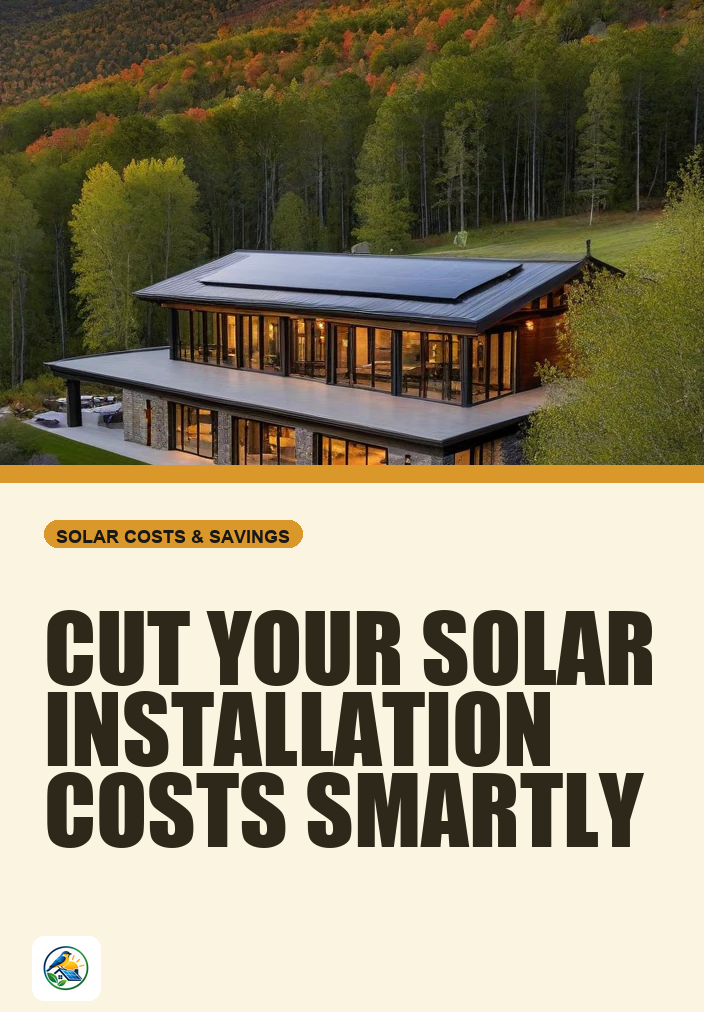
Understanding Solar Installation Costs for Your 1500 Square Foot Home Without Overpaying
Thinking about going solar? If you own a 1500 square foot home, understanding the installation costs is essential to make an informed decision. Solar energy can be a great way to reduce your utility bills and contribute to a more sustainable future, but navigating the various costs involved can feel overwhelming. This guide will help you understand what you can expect to pay for a solar installation, the factors that influence those costs, and how to avoid overpaying.
Estimating Solar Installation Costs
The cost of installing a solar system for a typical 1500 square foot home can vary widely based on several factors, including your geographic location, the quality of the equipment, and any additional features you might want, such as battery storage. As a rough estimate, homeowners might expect costs to range from $15,000 to $30,000 before any incentives or tax credits are applied.
Basic Cost Breakdown
Here’s a general overview of the costs you might encounter:
- Solar Panels: The bulk of your costs will come from the solar panels themselves. Prices can vary based on efficiency, brand, and technology.
- Inverters: These devices convert the electricity generated by the panels into usable power for your home. The type and number of inverters will affect costs.
- Installation Labor: Hiring professionals for installation is recommended, and labor costs can vary by region and complexity of the job.
- Permitting and Interconnection Fees: Local regulations may require permits and fees to connect your system to the grid.
- Battery Backup Options: If you choose to install a battery system for backup power, this will add to your overall costs.
Key Factors Influencing Costs
While the above estimates provide a guideline, several key factors can influence your final cost. Understanding these can help you make informed decisions and avoid overpaying.
1. Location and Local Market Conditions
Your geographic location plays a significant role in installation costs. Solar system prices can vary based on local demand, availability of installers, and competition in your area. Some regions may offer better financing options or incentives that can help reduce your overall costs.
2. Roof Condition and Orientation
The condition, angle, and orientation of your roof can impact installation costs. A roof in poor condition may require repairs before solar panels can be installed, adding to your expenses. Additionally, roofs that face south and are free from shade will generally yield better energy production, making them more appealing for solar installation.
3. System Size and Energy Needs
Determining the right size for your solar system is crucial. A system that’s too small won’t meet your energy needs, while a system that’s too large could lead to unnecessary costs. Homeowners should review their energy usage patterns to help determine the appropriate system size. A professional installer can provide insights tailored to your specific needs.
4. Equipment Quality
The type of solar panels and inverters you choose will significantly affect your costs. Higher-efficiency panels and advanced inverters may come with a higher price tag but can lead to greater energy generation and savings in the long run. Weighing the trade-offs between upfront costs and long-term performance is essential.
5. Incentives and Financing Options
Various incentives can help reduce your overall costs, including federal tax credits, state rebates, and local utility programs. However, these incentives can change frequently, so it’s essential to verify current options available in your area. Financing options can also vary, with some homeowners opting for loans, leases, or power purchase agreements (PPAs). Each option comes with its own financial implications, so understanding each thoroughly is important.
Comparing Quotes from Installers
Once you have a good understanding of the potential costs, it’s time to gather quotes from qualified solar installers. This can be one of the most effective ways to ensure you’re not overpaying.
What to Look for in Quotes
When comparing quotes, consider the following elements:
- Itemized Cost Breakdown: Ensure that each quote provides a detailed breakdown of equipment, labor, permits, and additional costs.
- Equipment Quality: Inquire about the brands and specifications of the solar panels and inverters being offered.
- Warranties and Support: Look for warranties on both the equipment and the installation work. A reputable installer should stand behind their work.
- Timeline: Ask how long the installation process will take and when you can expect to start seeing the benefits of your solar system.
Understanding Trade-offs and Limitations
While solar energy can provide many benefits, it’s important to recognize potential drawbacks and limitations:
- Initial Costs: The upfront investment can be significant, and not all homeowners may find it financially viable.
- Maintenance: While solar systems generally require little maintenance, keeping panels clean and functioning may incur costs.
- Weather Dependency: Solar production is dependent on sunlight, which can be affected by weather and seasonal changes.
- Battery Limitations: If you opt for battery storage, understand the limitations in capacity and lifespan, which can affect long-term costs.
- Utility Policies: Be aware of your local utility’s rules regarding net metering, interconnection, and any fees that may apply.
Next Steps
Now that you have a clearer understanding of the costs and factors involved in installing a solar system for your 1500 square foot home, it’s time to take action. Start by researching and comparing itemized quotes from qualified solar installers in your area. Be sure to ask questions, seek clarity on costs, and verify any incentives or financing options that may be available. With careful planning and thorough research, you can make a well-informed decision that fits your home and budget.


















