
Understanding Solar Installation Permits: Navigating Costs to Avoid Surprises
As you consider installing a rooftop solar system for your home, one critical aspect that can often catch homeowners off guard is the permitting process. Understanding solar installation permits and their associated costs is fundamental to ensuring a smooth transition to renewable energy. This article aims to demystify the permitting landscape, provide practical insights, and help you navigate potential costs effectively.
The Basics of Solar Installation Permits
Before any solar panels can be installed, most jurisdictions require homeowners to obtain specific permits. These permits ensure that the installation meets local building codes, safety standards, and zoning regulations. The types of permits you’ll typically encounter include:
- Building Permit: Required to ensure that the structure can support the weight and design of the solar installation.
- Electrical Permit: Necessary for the electrical work involved in connecting the solar system to your home’s electrical system.
- Interconnection Permit: Needed if you plan to connect your solar system to the utility grid, allowing for net metering or energy credit systems.
- Zoning Permit: Required in some areas to ensure compliance with local zoning laws, especially if you’re in a homeowner association or designated historical district.
Cost Factors Associated with Permits
The costs associated with solar permits can vary significantly based on your location, the complexity of the installation, and local regulations. Here are some factors that can influence these costs:
1. Location
Permitting fees are often set by local governments and can differ widely across cities and states. Some areas may have streamlined processes with lower fees, while others may have more stringent regulations that drive up costs.
2. System Size
Generally, larger systems may incur higher permit fees due to increased scrutiny and more extensive inspections required. If you’re considering a system with battery backup, additional permits may be needed, which can also increase costs.
3. Complexity of Installation
Installations that involve unique architectural features, multiple roof planes, or complex electrical systems may require more detailed plans and additional inspections, leading to higher permit costs.
4. Professional Assistance
Many homeowners opt to hire a professional solar installer who can handle the permitting process. While this service comes with a fee, it may save you time and reduce the risk of delays. However, be sure to ask for detailed quotes that itemize these costs.
Common Permit Costs to Expect
While the actual costs can vary, here are some common ranges for permit fees you may encounter:
- Building Permit: $100 – $500
- Electrical Permit: $50 – $200
- Interconnection Permit: $0 – $200
- Zoning Permit: $100 – $400
It’s important to remember that these figures are estimates, and actual fees can differ based on local regulations. Always verify current pricing with your local permitting office.
Potential Delays and Challenges
Understanding the permitting process can help you anticipate potential delays. Here are some common challenges homeowners face:
- Incomplete Applications: Missing information can lead to delays in permit approval.
- Inspection Scheduling: Depending on your location, getting an inspection may take longer than expected.
- Code Compliance Issues: If your installation doesn’t meet local codes, you may have to make modifications before a permit can be issued.
Working with Solar Installers
When seeking quotes from solar installers, ask about their experience with local permitting processes. A qualified installer should be familiar with the types of permits required in your area and can guide you through the necessary steps. Consider these points when evaluating installer quotes:
- Itemized Estimates: Ensure the quote includes a breakdown of permit costs and any associated fees.
- Permit Handling: Confirm whether the installer will manage the permitting process on your behalf.
- Timeline Expectations: Ask how long they anticipate the permitting process will take.
Understanding Trade-offs and Homeowner Considerations
Before moving forward with a solar installation, consider the following:
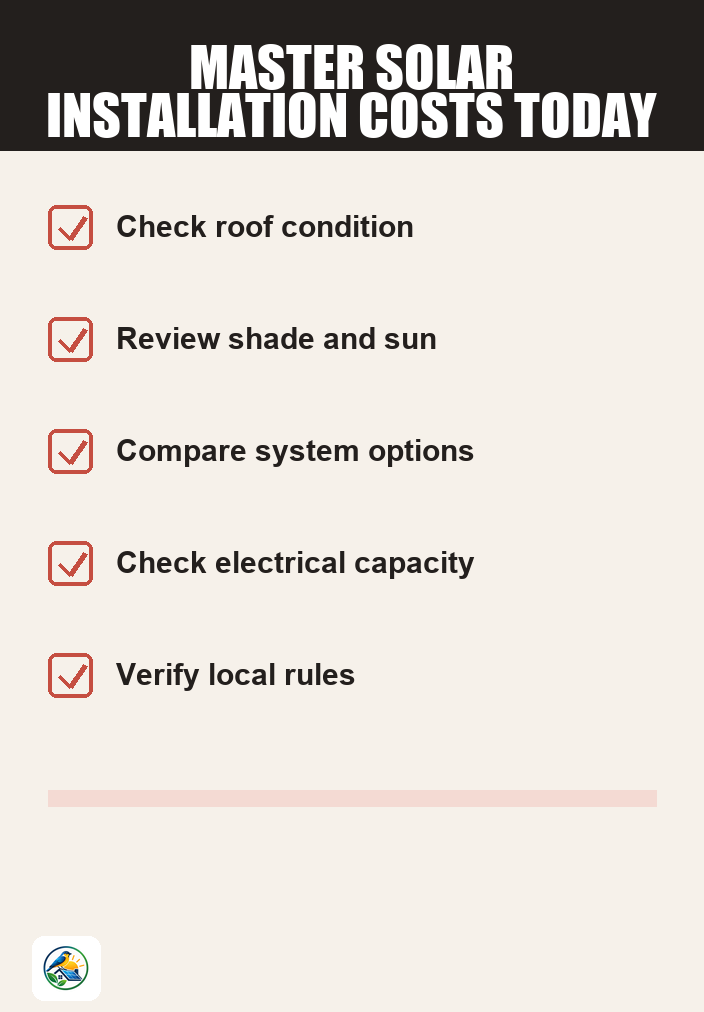
- Roof Condition: Ensure your roof is in good shape, as repairs may be needed before installation.
- Shade and Orientation: Assess how trees or nearby buildings may affect solar energy production.
- Utility Policies: If connecting to the grid, understand your utility’s interconnection requirements and net-metering policies.
- Future Plans: Consider any upcoming home renovations that might impact your solar system.
Next Steps for Homeowners
Before you embark on your solar journey, take the time to research local solar installers and their permitting processes. Request detailed, itemized quotes from multiple qualified installers to compare costs and services. This will help you make an informed decision that fits your budget and energy needs.
Understanding the nuances of solar installation permits can significantly reduce surprises and ensure a smoother installation process. By staying informed and asking the right questions, you can navigate the permitting landscape with confidence.


















