
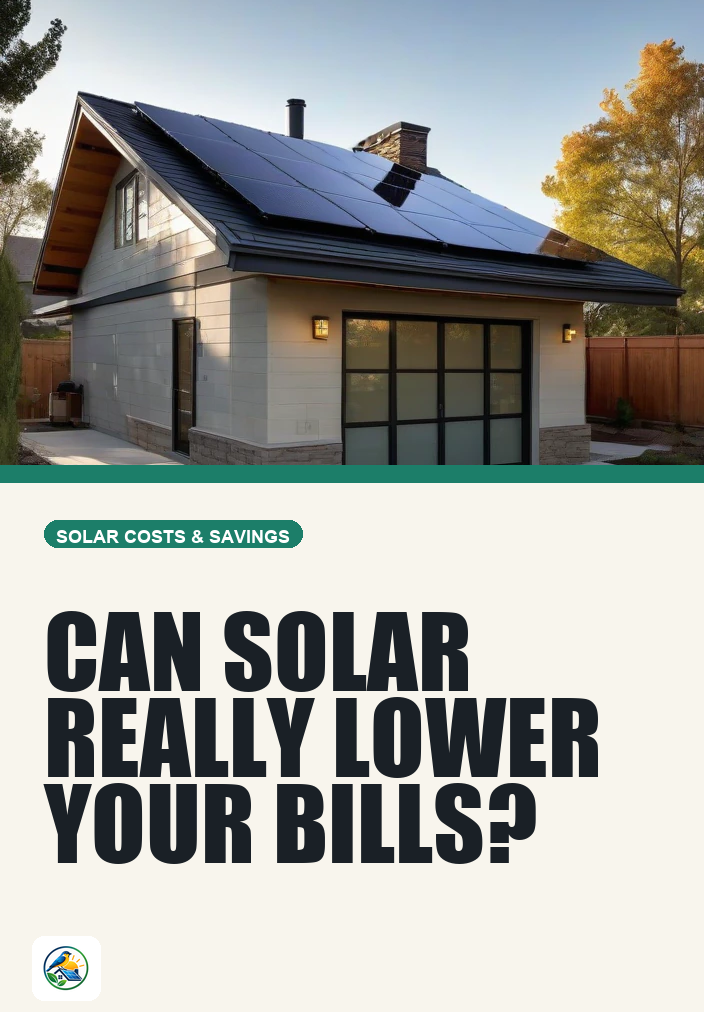
Understanding the Potential of Solar Energy for High Electricity Bills
As electricity rates continue to rise in many parts of the U.S., homeowners are searching for ways to reduce their monthly utility bills. One option that has gained significant attention is installing solar panels on residential rooftops. However, deciding whether solar can effectively lower your high electricity bills involves considering various factors unique to your home and circumstances. This article aims to guide you through the decision-making process without promising specific outcomes.
Evaluating Your Electricity Usage
The first step in determining if solar energy can help reduce your electricity bills is to evaluate your current energy consumption. Understanding your electricity usage can help you gauge the potential benefits of going solar. Here are some key steps:
- Review Your Electricity Bills: Examine your bills from the past year to identify trends in your usage. Consider seasonal variations and any spikes in usage during specific months.
- Calculate Your Average Monthly Usage: By averaging your monthly consumption, you can establish a baseline to assess how much solar power you would need to produce to offset your electricity costs.
- Consider Future Changes: Think about any planned changes that may affect your energy usage, such as adding electric vehicles, major appliances, or home expansions.
Assessing Your Home’s Suitability for Solar Panels
Not all homes are ideal candidates for solar energy systems. Several physical and situational factors can impact the feasibility and effectiveness of installing solar panels:
Roof Condition and Orientation
Your roof should be in good condition to support solar panels. If your roof requires repairs or replacement, this could add to the overall costs. Additionally, the roof’s orientation significantly affects solar energy production:
- South-Facing Roofs: Typically receive the most sunlight throughout the day, making them ideal for solar panel installation.
- East and West-Facing Roofs: Can still be effective, but may produce less energy than south-facing roofs.
- North-Facing Roofs: Generally not recommended for solar installations due to limited sunlight exposure.
Shade and Surrounding Environment
Shading from trees, buildings, or other obstructions can significantly reduce the efficiency of solar panels. It’s essential to assess the amount of shade your roof receives throughout the day and during different seasons.
Local Climate
Your local climate can also affect solar panel performance. For instance, homes in sunnier regions may see better energy production compared to those in areas with frequent cloud cover or heavy precipitation. However, solar panels can still be advantageous in less sunny climates, albeit with potentially lower overall production.
Understanding Solar Options: Grid-Tied vs. Battery Backup
Once you determine that your home is suitable for solar, it’s essential to understand the different types of solar systems available:
Grid-Tied Solar Systems
These systems are the most common and connect directly to the utility grid. They allow you to draw electricity from the grid when your solar panels are not producing enough energy, such as at night or during cloudy days. Any excess energy produced during the day can often be fed back into the grid, potentially earning you credits through net metering (subject to local regulations).
Battery Backup Systems
Adding a home battery to your solar installation allows you to store excess energy for use when the solar panels aren’t generating power. This can be beneficial during power outages or for homeowners who want to rely less on the grid. However, battery systems can add to the overall cost of a solar installation and require thoughtful consideration of your energy needs.
Financial Considerations: Cost, Incentives, and Financing
Cost is a significant factor when deciding whether to install solar panels. While prices have generally decreased in recent years, the overall expense can vary based on:
- Installation Costs: These can fluctuate based on your location, roof type, and the complexity of the installation.
- Available Incentives: Some states and local governments offer tax credits, rebates, or other incentives to encourage solar adoption. These can significantly offset installation costs, but it’s crucial to verify current incentive availability in your area.
- Financing Options: Various financing solutions are available, including loans, leases, and power purchase agreements. Each has different implications for ownership and savings.
What to Expect from Professional Installers
Obtaining quotes from professional solar installers is a crucial step in determining if solar is a good fit for your home. Here’s what to look for when evaluating quotes:
- Itemized Costs: Ensure each quote provides a detailed breakdown of costs, including equipment, installation, and any additional fees.
- Energy Production Estimates: While these can vary, professional installers should provide projections based on your specific roof and location.
- Warranties and Maintenance: Inquire about warranties for both the equipment and installation, as well as any ongoing maintenance requirements.
Weighing the Tradeoffs
Before making a decision, consider the tradeoffs associated with solar energy:
- Initial Investment: Solar is a significant upfront investment, and homeowners should weigh this against potential long-term savings.
- Maintenance Needs: While solar panels require minimal maintenance, occasional cleaning and inspections are necessary to ensure optimal performance.
- Utility Policies: Changes in net metering policies or utility rates can impact the financial benefits of solar, so staying informed is essential.
Next Steps: Making an Informed Decision
Deciding whether solar can help reduce your high electricity bills requires careful consideration of multiple factors. Begin by evaluating your electricity usage and assessing your home’s suitability for solar installation. Gather quotes from qualified solar installers and compare itemized costs, energy production estimates, and financing options. Remember, while solar can offer significant benefits, it is not a one-size-fits-all solution, and each homeowner’s situation is unique.
Ultimately, doing your homework and understanding the various components of solar energy will empower you to make an informed decision that aligns with your financial goals and energy needs.


















