Understanding the Benefits of Solar with Batteries for Well Pumps
For many U.S. homeowners, ensuring a reliable water supply from well pumps is crucial. As the demand for sustainable energy solutions grows, integrating solar power with battery systems has emerged as a compelling option for powering well pumps. This article explores the benefits of using solar coupled with batteries, the considerations homeowners should keep in mind, and how to approach the decision-making process effectively.
The Core Benefits of Solar with Batteries for Well Pumps
The primary advantage of using solar energy to power well pumps lies in its potential for energy independence and reliability. Here are some key benefits:
- Energy Independence: Solar systems can reduce reliance on traditional energy sources, allowing homeowners to harness the sun’s power for their water needs.
- Backup Power: A battery system ensures that the well pump remains operational during power outages, which can be especially important in rural areas or during extreme weather conditions.
- Cost Efficiency: While solar installation requires an upfront investment, it can lead to savings on electricity bills over time, particularly in areas where electricity rates are high.
- Environmental Benefits: Using renewable energy sources like solar contributes to reduced carbon emissions and promotes a more sustainable lifestyle.
How Solar and Battery Systems Work Together
To effectively power a well pump, solar panels capture sunlight and convert it into electricity. This electricity can be used in real-time to operate the well pump, and any excess energy can be stored in batteries. When the sun isn’t shining, the battery system provides the necessary power to keep the pump running.
Here’s a simplified breakdown of the process:
- The solar panels generate electricity during daylight hours.
- Electricity powers the well pump as needed.
- Excess electricity can be stored in batteries for later use.
- When solar energy generation is insufficient (like during nighttime or cloudy days), the batteries supply energy to the well pump.
Considerations for Homeowners
While the benefits are compelling, there are several important considerations for homeowners thinking about solar with battery systems for well pumps:
1. System Sizing
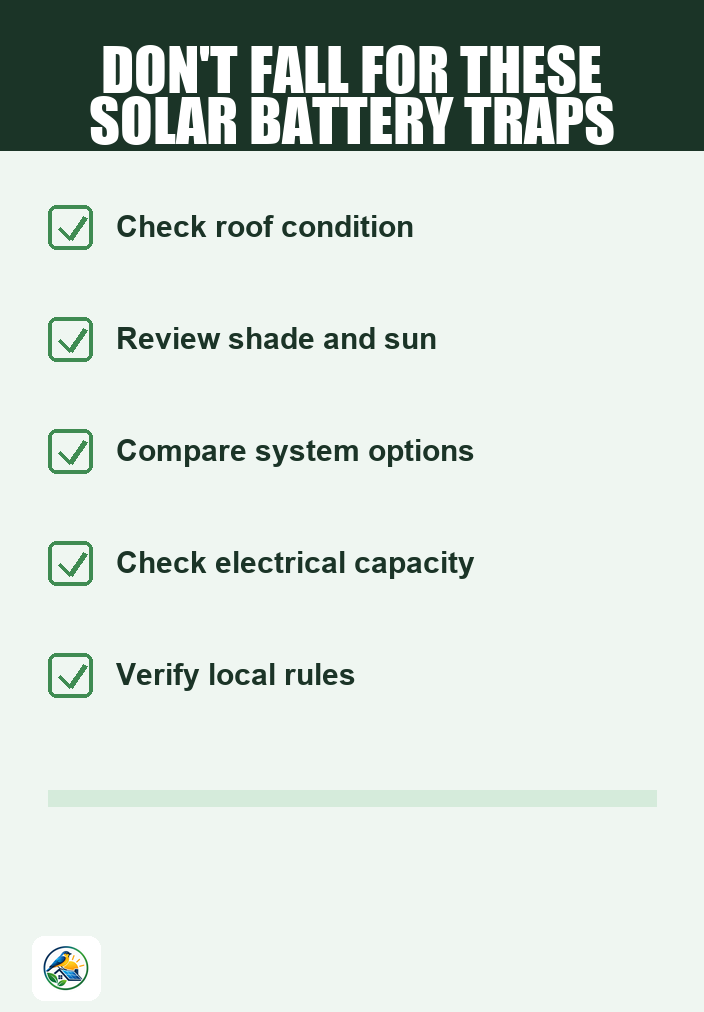
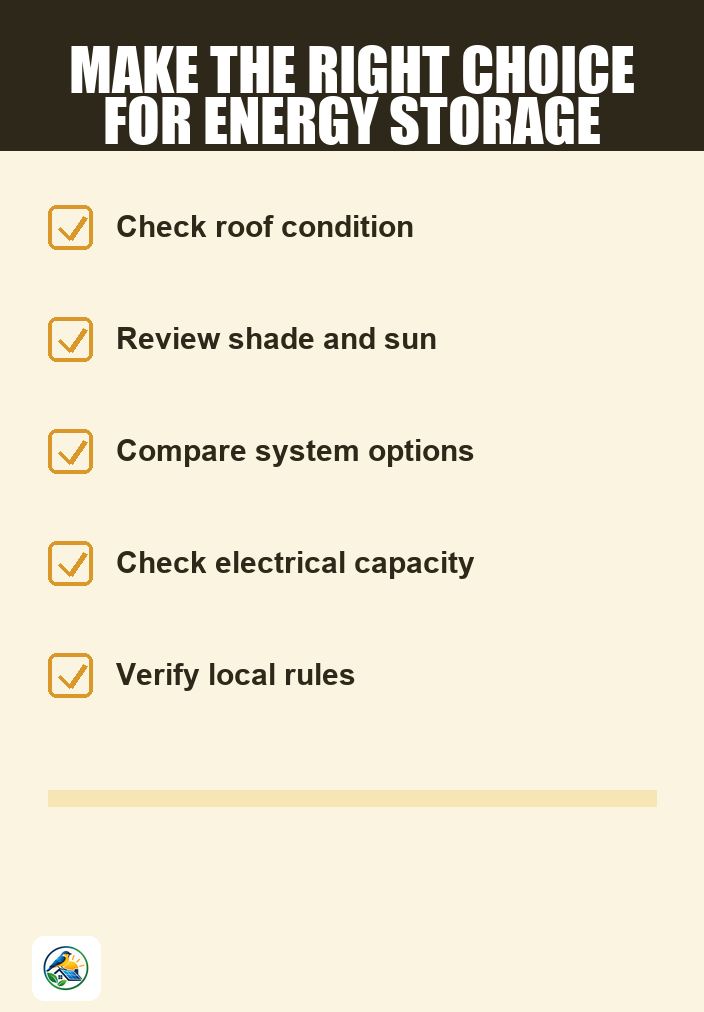
Determining the right size for both your solar system and battery storage is critical. The size of your well pump, the amount of water you need, and your local sunlight availability all play a role in this. A professional installer can help assess your specific needs and provide a tailored quote.
2. Roof Condition and Orientation
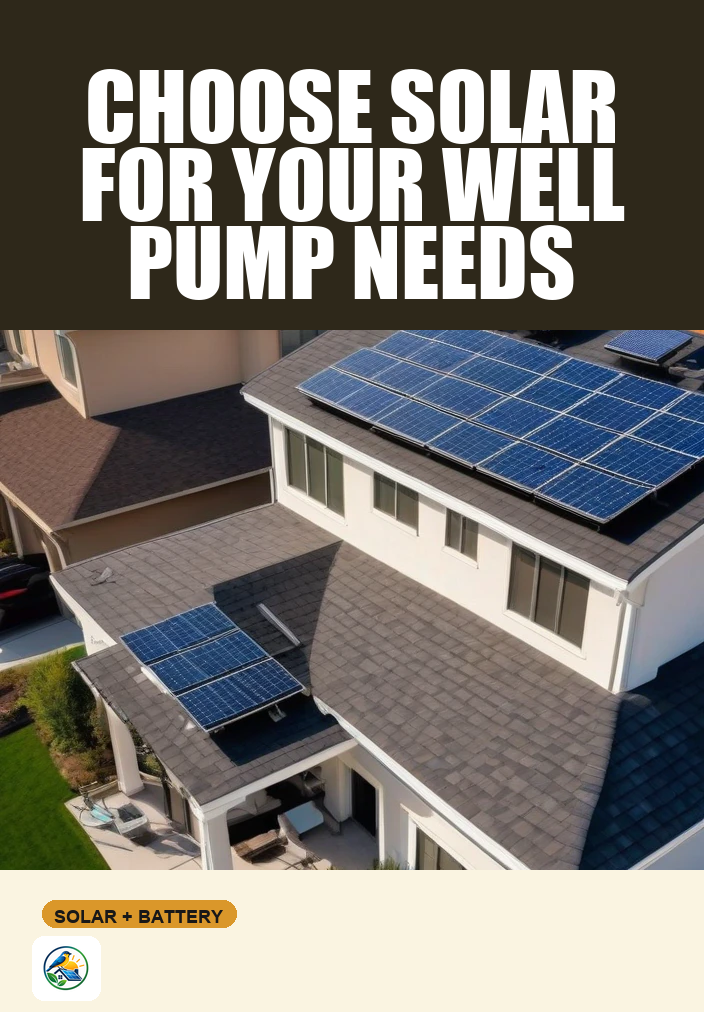
Your roof’s condition and orientation can affect solar panel performance. A south-facing roof with minimal shade is ideal, whereas a roof that is shaded or in poor condition may require additional considerations or upgrades.
3. Local Regulations and Permitting
Different regions have varying regulations regarding solar installations. Homeowners should check local permitting requirements and utility interconnection rules before proceeding. This may also affect the timeline and feasibility of the installation.
4. Battery Limitations
Batteries can enhance the utility of solar systems, but they come with limitations, including lifespan and capacity. Homeowners should consider their water usage patterns and the duration for which they may need backup power.
5. Maintenance
Solar panels generally require low maintenance, but periodic cleaning and inspections are necessary to ensure optimal performance. Battery systems may require more attention over time, particularly regarding their health and efficiency.
Comparative Analysis: Solar vs. Generators vs. Off-Grid Systems
When exploring options for powering well pumps, homeowners might also consider traditional generators or off-grid systems. Here’s a brief comparison:
- Solar with Batteries: Provides clean energy, independence, and backup power, but requires an upfront investment and careful planning.
- Generators: Offer reliable power during outages but rely on fossil fuels and require regular maintenance and fuel supply.
- Off-Grid Systems: Can be completely independent from the grid but often require larger setups, which can be expensive and complex to design and install.
Examples of Practical Applications
Understanding how solar with batteries can be applied in different scenarios can help homeowners visualize the benefits:
- Rural Homes: Homeowners in remote areas often face higher electricity costs and potential outages. Solar and batteries can provide a reliable and cost-effective solution.
- Seasonal Homes: For vacation properties that may be unoccupied for extended periods, a solar battery system can ensure that the well pump is ready for use whenever needed.
- Homesteaders: Those looking to live sustainably can harness solar energy for multiple needs, including irrigation systems and livestock water supply.
Next Steps for Homeowners
If you’re considering solar with batteries for your well pump, the next practical steps include:
- Assess your water needs and current energy usage related to your well pump.
- Research local installers and request itemized quotes to compare costs and system options.
- Consult with professionals to discuss your specific property conditions and any necessary upgrades.
- Verify current local utility regulations, incentives, and tax information to understand the financial landscape.
By taking these steps, you can make an informed decision about whether a solar and battery system is the right fit for your well pump needs.