
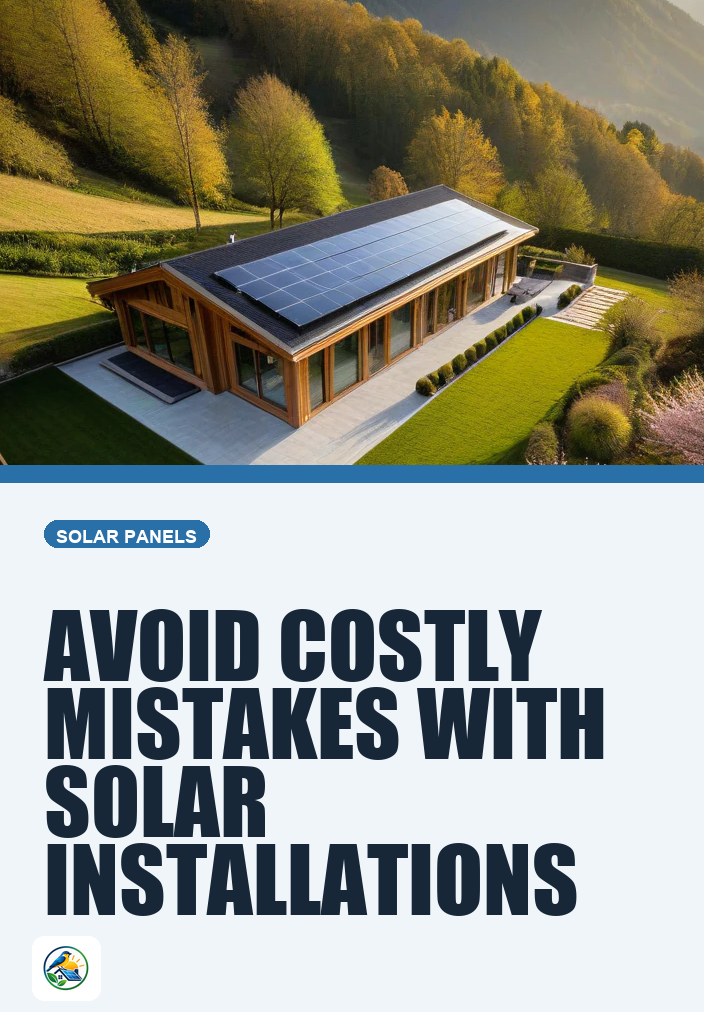
Understanding Common Mistakes Homeowners Make with Solar Panels on Shingle Roofs
Investing in solar panels for your shingle roof can be an exciting endeavor, but it’s essential to tread carefully. Homeowners often overlook key considerations that can impact the efficiency, durability, and overall success of their solar installation. Below, we outline common pitfalls to avoid when considering solar panels on shingle roofs.
1. Failing to Assess Roof Condition
Before installing solar panels, it’s crucial to evaluate the condition of your roof. A roof in poor condition may not support the weight of the panels or could require repairs shortly after installation. Here are key factors to consider:
- Age of the Roof: If your roof is nearing the end of its lifespan, it might be wise to replace it before installing solar panels.
- Material Integrity: Look for signs of wear, such as curling shingles, leaks, or sagging areas.
- Structural Support: Ensure that the roof structure can support the additional weight of solar panels.
2. Ignoring Roof Orientation and Shade
The orientation of your roof plays a significant role in the efficiency of your solar panels. Ideally, south-facing roofs receive the most sunlight throughout the day. Here’s what to consider:
- Roof Angle: The angle of your roof can affect solar energy capture. A steeper angle may yield better results, while a flatter roof might require different panel types.
- Obstructions: Trees, buildings, and other structures can cast shadows on your roof, significantly reducing solar panel efficiency. Conduct a shading analysis to identify potential issues.
3. Not Evaluating Energy Needs
Homeowners often underestimate their energy needs when selecting solar panel systems. It’s essential to have a clear understanding of your household energy consumption to size your system accurately. Consider these steps:
- Review Utility Bills: Analyze your electricity usage over the past year to gauge your average monthly consumption.
- Consider Future Changes: If you plan to add high-energy appliances or expand your home, factor this into your solar system size.
4. Skipping Professional Assessment
While DIY projects can be rewarding, solar panel installation is best left to professionals. A qualified installer can provide a comprehensive assessment of your home and recommend the best system for your needs. Here’s why:
- Expert Knowledge: Professionals understand local regulations, permitting processes, and interconnection requirements with your utility.
- System Design: They can optimize the layout of solar panels for maximum efficiency based on your roof’s specific characteristics.
- Quality Assurance: Professional installation ensures that your system is installed correctly and safely.
5. Overlooking Local Incentives and Regulations
Solar energy incentives can vary significantly by location, and failing to research local programs can lead to missed opportunities. Keep these points in mind:
- Incentives: Research state and local incentives that may help offset initial costs. Check with local government websites for the most current information.
- Permitting and Regulations: Understand your municipality’s permitting process and any homeowner association (HOA) rules that may affect your installation.
6. Underestimating Maintenance Needs
Solar panels require minimal maintenance, but overlooking basic upkeep can affect performance. Here’s what to keep in mind:
- Regular Cleaning: Dust, debris, and snow can accumulate on your panels, reducing efficiency. Schedule periodic cleaning, especially after severe weather.
- Monitoring Performance: Use monitoring systems to track energy production. If you notice a significant drop, it may indicate a problem that needs addressing.
7. Neglecting Battery Backup Considerations
Homeowners often consider battery storage for solar energy but may not fully understand its implications. Consider these factors:
- Battery Capacity: Assess your energy needs to determine the appropriate battery size. A battery that’s too small won’t meet your needs during outages.
- Cost vs. Benefit: Weigh the financial implications of adding battery backup. Analyze how often you experience power outages and if the investment makes sense.
8. Misunderstanding Energy Independence
Many homeowners approach solar panels with the expectation of complete energy independence. While solar can significantly reduce reliance on the grid, it’s important to remain realistic:
- Grid-Tied vs. Off-Grid: Most residential systems are grid-tied, meaning they rely on the utility for backup power. Off-grid systems require substantial battery storage and may come with higher costs.
- Net Metering: Understand how your utility handles net metering, which allows you to sell excess power back to the grid. Policies vary by region.
Next Steps for Homeowners
If you’re considering solar panels for your shingle roof, take the time to compare itemized quotes from qualified installers. This will help you understand the costs, benefits, and options available for your specific situation. Remember to verify any local incentives and regulations to ensure a smooth installation process. Planning carefully can lead to a successful solar energy experience while avoiding common missteps.


















