
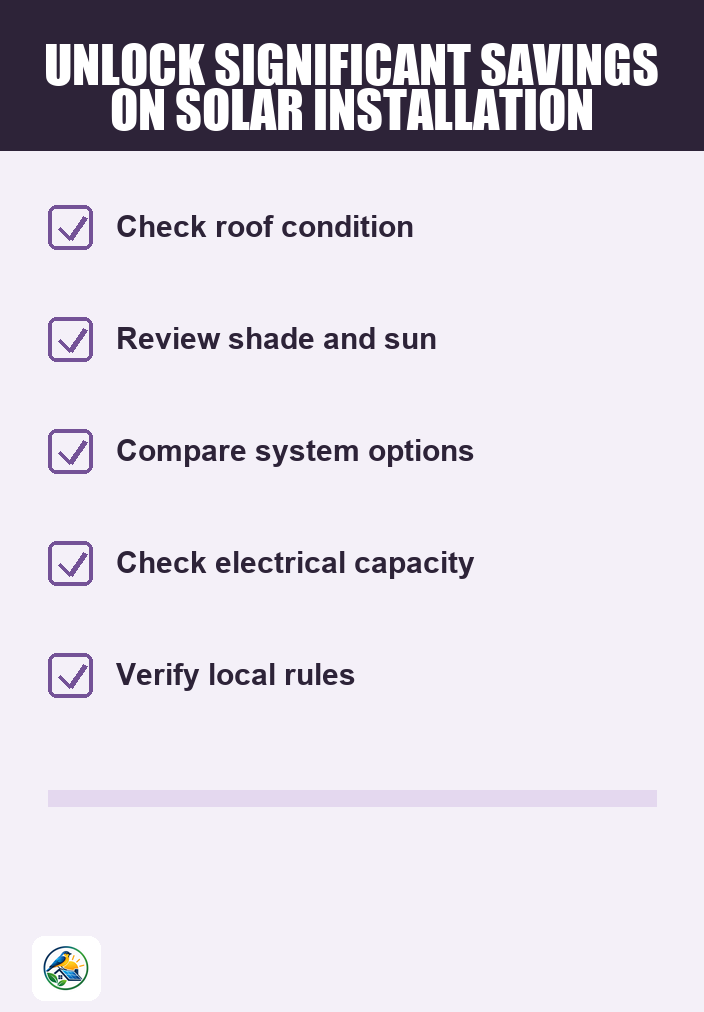
Understanding Your Solar Proposal: Key Elements for Maximizing Savings
As a U.S. homeowner considering a solar energy system, you’re likely eager to explore how solar can reduce your electricity costs. However, not all solar proposals are created equal. To make informed decisions and maximize your savings, you need to understand what to look for in a proposal. This article will guide you through the essential elements to consider when comparing quotes for a residential rooftop solar system, optionally including a home battery.
Core Components of a Solar Proposal
A comprehensive solar proposal should provide you with detailed information to help you evaluate the system’s costs, expected performance, and potential savings. Here are the key components you should look for:
- System Size: This is typically measured in kilowatts (kW) and indicates how much solar energy the system can produce. A properly sized system should meet your energy needs without being oversized.
- Panel Type and Efficiency: Different types of solar panels have varying efficiency rates. Higher efficiency panels may produce more energy with less surface area, but they often come at a higher cost.
- Inverter Type: The inverter converts the direct current (DC) electricity generated by the solar panels into alternating current (AC) electricity for your home. Options include string inverters, microinverters, and power optimizers, each with its pros and cons.
- Installation Costs: This should include labor, materials, and any necessary permits. Look for a clear breakdown of these costs to assess fairness and transparency.
- Financing Options: Solar proposals may offer various financing options, including cash purchases, loans, leases, or power purchase agreements (PPAs). Each option has different implications for your cash flow and long-term savings.
- Incentives and Tax Credits: While federal, state, and local incentives can affect your overall costs, verify the current eligibility criteria and amounts as they can change. Be cautious of assumptions about future policies.
Evaluating Energy Production Estimates
Understanding how much energy your solar system is expected to produce is crucial for evaluating potential savings. Most proposals will include an energy production estimate, usually based on your location, the system size, and local weather patterns. Here are a few important factors to consider:
- Geographic Location: Solar energy potential varies significantly by region. Areas with more sunshine will typically yield higher energy production.
- Roof Orientation and Tilt: The angle and direction of your roof can greatly affect panel performance. South-facing roofs tend to perform best in the Northern Hemisphere, while east or west orientations may still be viable.
- Shading Analysis: Trees, buildings, or other obstructions can cast shadows on your panels, reducing energy production. A thorough proposal should include a shading analysis to identify any potential issues.
Understanding the Trade-offs: Battery Backup vs. Grid-Tied Systems
Deciding whether to include a battery backup system in your solar proposal is a significant consideration. Battery systems store excess energy generated during the day for use at night or during outages. Here are some factors to weigh:
- Cost vs. Benefit: Battery systems can add significant upfront costs. You’ll need to consider whether the additional expense aligns with your energy usage patterns and reliability needs.
- Utility Rates and Net Metering: If your utility offers net metering, you might be able to sell excess energy back to the grid, making a battery less critical. Check local policies to understand how they could affect your decision.
- Maintenance and Lifespan: Battery systems require maintenance and may have a limited lifespan, which could affect long-term savings. Review warranty details and replacement costs.
Comparing Quotes: What to Look For
Once you receive multiple solar proposals, it’s essential to compare them thoroughly. Here’s a checklist to guide your evaluation:
- Itemized Costs: Ensure each proposal provides a breakdown of all costs, including equipment, installation, permits, and any additional fees.
- Projected Energy Savings: Look for detailed calculations explaining how savings are determined, considering your current energy usage and local rates.
- Financing Details: Compare the financing options available in each proposal, including interest rates and terms. This can significantly affect overall costs and savings over time.
- Warranties: Check the warranties for both the solar panels and the inverter. A longer warranty may indicate better quality and reliability.
- Installer Reputation: Research the installers’ backgrounds, including customer reviews and industry certifications. A reputable installer can ensure a quality installation.
Potential Drawbacks and Considerations
While solar energy presents numerous benefits, it’s essential to also consider possible drawbacks:
- Roof Condition: If your roof is aging or in poor condition, repairs or replacements may be necessary before installation, which can increase costs.
- Regulatory Approval: Permitting and interconnection requirements vary by location and may introduce delays or additional costs.
- Utility Policies: Local utility regulations can impact savings, net metering, and interconnection, so verify specifics with your utility provider.
- Long-Term Plans: Consider how long you plan to stay in your home. If you move, the financial benefits of solar may not fully materialize.
Next Steps: Taking Action on Your Solar Proposal
Now that you understand what to look for in a solar proposal, it’s time to take action. Begin by gathering itemized quotes from qualified installers. Ensure that you ask for clarification on any aspects of the proposal that are unclear. By comparing these detailed quotes, you’ll be better equipped to make an informed decision about whether solar energy is the right fit for your home.
Remember to verify any current incentives, tax credits, and local utility policies that may affect your final decision. With careful evaluation, you can maximize your savings and make the most of your investment in solar energy.


















