Understanding Solar Batteries vs. Generators for Your Home
As a U.S. homeowner considering a rooftop solar system, you might find yourself weighing the benefits of solar batteries against traditional generators. Both options can provide backup power during outages, but they serve different needs and come with their own trade-offs. In this article, we’ll explore the key differences, advantages, and drawbacks of each option, helping you make a more informed decision for your home.
What Are Solar Batteries and Generators?
Before diving into the comparison, it’s essential to clarify what solar batteries and generators are. Solar batteries store energy produced by your solar panels for later use, while generators provide power by converting fuel (such as gasoline, diesel, or natural gas) into electricity.
Solar Batteries
- Energy Storage: Solar batteries store excess energy generated during the day for use at night or during outages.
- Grid Independence: They allow for greater self-sufficiency and can help reduce reliance on the grid.
- Environmental Impact: Using stored solar energy has a smaller carbon footprint compared to fossil fuel-powered generators.
Generators
- Immediate Power: Generators provide instant power when needed, as long as there is fuel available.
- Cost and Availability: Generally, generators can be less expensive upfront than solar battery systems, depending on capacity and installation.
- Portability: Some generators are portable, making them versatile for various needs beyond home use.
Key Considerations When Choosing
When deciding between solar batteries and generators, consider the following factors:
Energy Needs
How much energy do you require during an outage? Solar batteries typically have limited capacity. For instance, a residential solar battery might store enough energy for critical appliances, but may not power everything in your home. Conversely, a generator can provide power to your entire home, depending on its size and fuel supply.
Installation Requirements
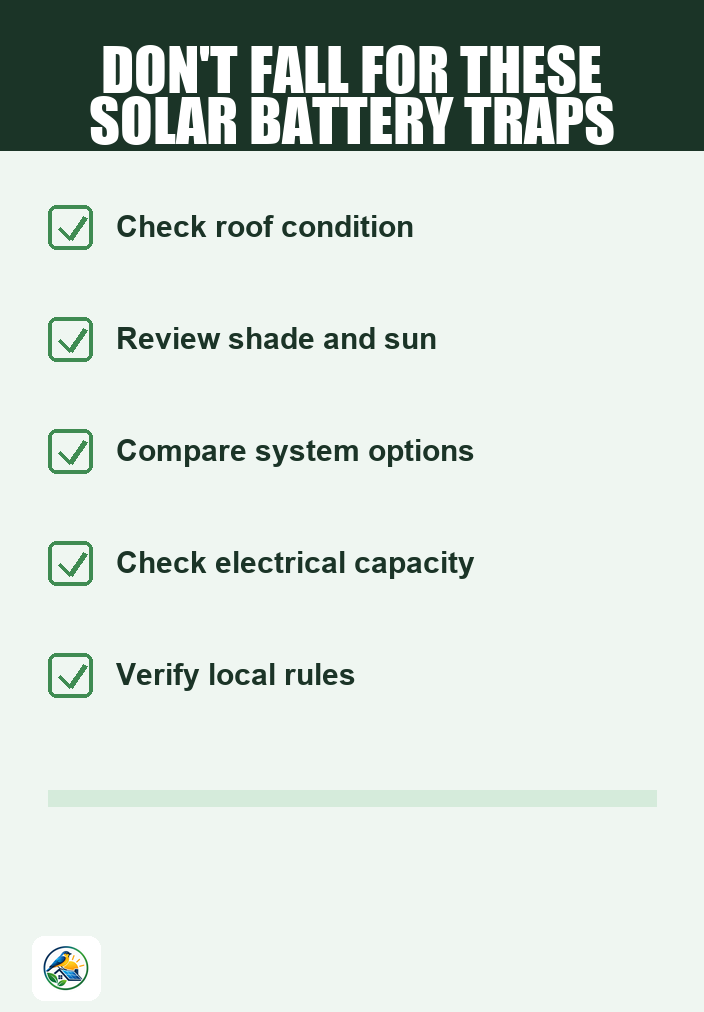
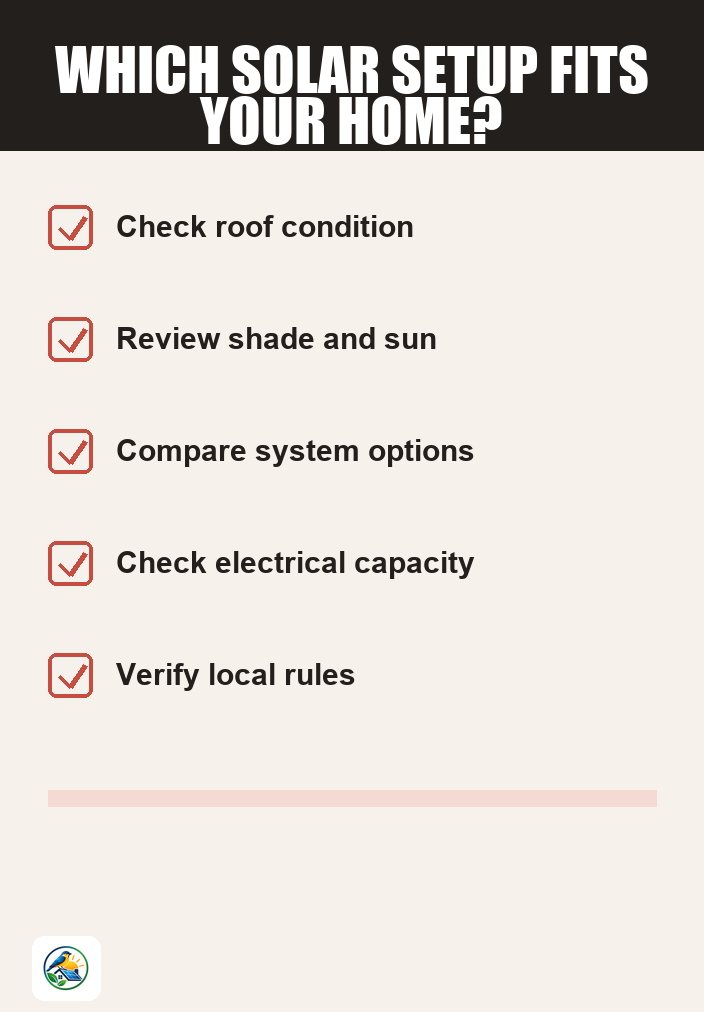
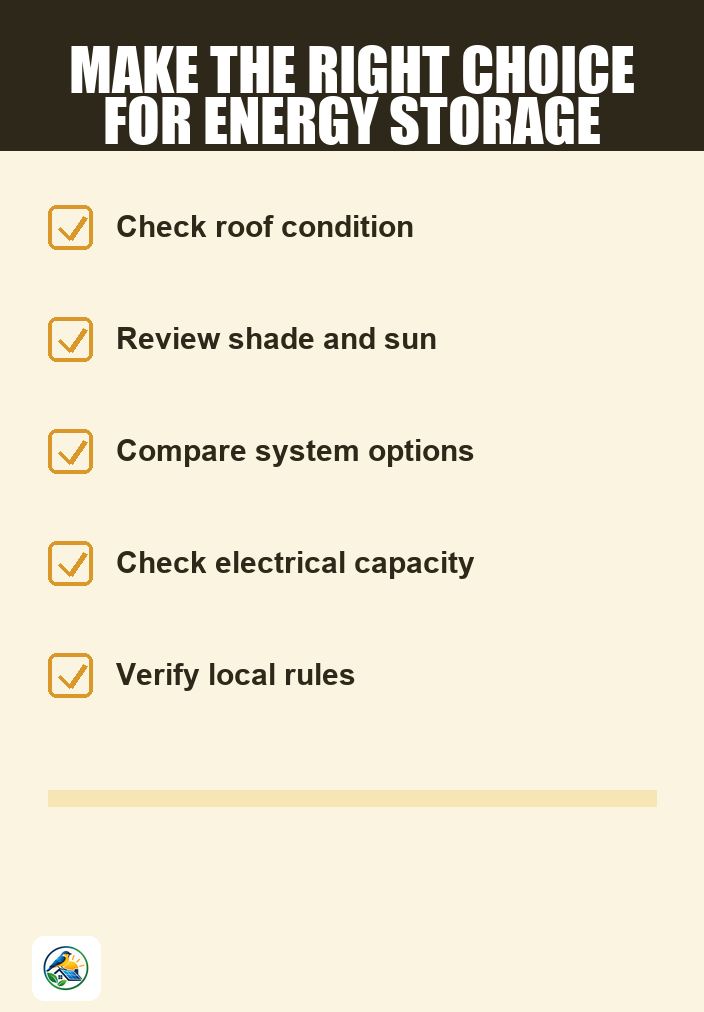
Solar battery systems often require professional installation and may involve additional components, such as inverters. Make sure to consider your roof’s condition, potential shade from trees, and orientation when evaluating the feasibility of solar. Generators may have simpler installation requirements, but they also need proper ventilation and safety precautions.
Maintenance and Reliability
Solar batteries generally require less ongoing maintenance than generators. However, they do have a finite lifespan, typically lasting between 5 to 15 years, depending on usage and technology. On the other hand, generators require regular maintenance checks and fuel storage, which can be cumbersome, especially during extended outages.
Climate and Location
Your geographical location and local climate can significantly impact your choice. In sunny areas, solar batteries may be an excellent solution, allowing you to harness abundant sunlight. However, if you live in a region prone to severe weather or prolonged outages, a generator might be more reliable.
Comparing Costs
While it’s essential to look at costs, remember that prices can vary significantly based on local market conditions, available incentives, and specific system configurations.
Initial Investment
- Solar Batteries: The cost includes the battery system, installation, and any necessary electrical upgrades. Be sure to get detailed quotes from qualified installers.
- Generators: Costs will depend on the type (portable or standby) and capacity. Installation may also incur additional costs depending on local regulations.
Operational Costs
Consider the long-term operational costs, including maintenance, fuel for generators, and potential replacement costs for solar batteries. Fuel prices can fluctuate, affecting your overall costs if you choose a generator. Solar batteries, while having high upfront costs, may reduce your electricity bills over time if paired with a solar system.
When Does Professional Advice Help?
Obtaining quotes from professional installers can be beneficial in several ways:
- Installers can assess your home’s specific energy needs and provide tailored recommendations.
- They can help you understand the local regulations, permitting requirements, and available incentives.
- Qualified professionals can also evaluate the condition of your roof or property to determine the most suitable system.
Understanding Incentives and Regulations
Before making a decision, familiarize yourself with local incentives, tax credits, and utility regulations related to solar energy and battery systems. These factors can influence your overall cost and savings. Always verify current information with local authorities or tax professionals to ensure you have the most accurate data.
Next Steps for Homeowners
Choosing between solar batteries and generators requires careful consideration of your specific needs, home conditions, and local regulations. Start by:
- Evaluating your energy consumption and needs.
- Researching local installers and obtaining itemized quotes for both solar battery systems and generators.
- Consulting with professionals to discuss your options, including installation requirements, costs, and maintenance.
By taking these steps, you can make a more informed decision that best suits your home and lifestyle. Remember to think critically about your energy resilience needs and the long-term implications of your choice.