
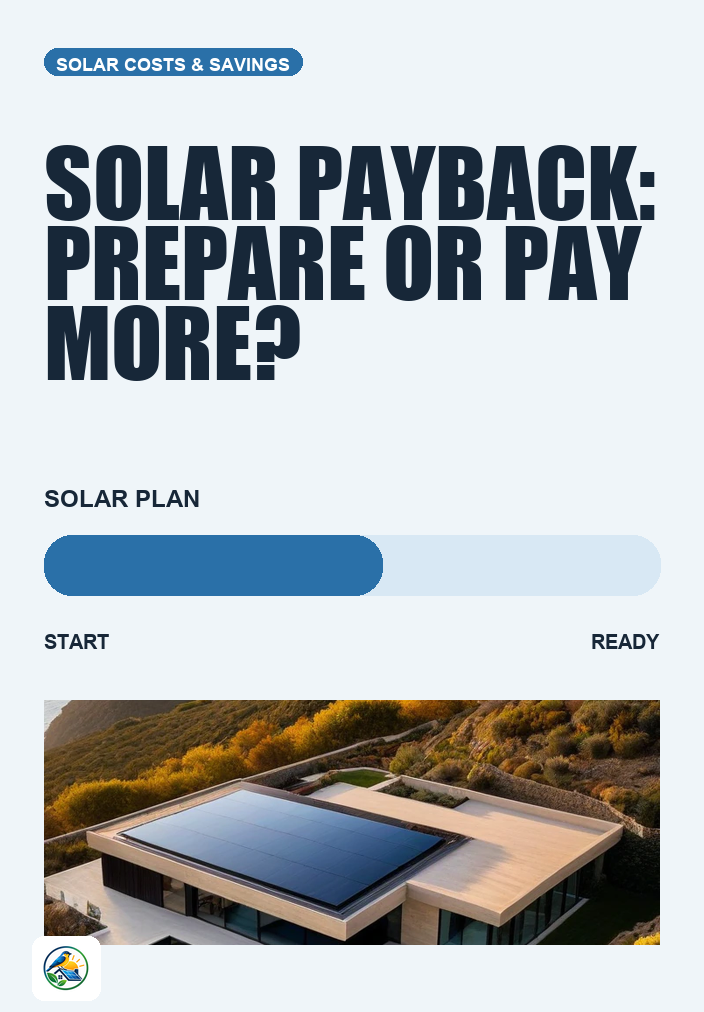
Understanding Solar Payback: Key Preparations After Installation
Once you’ve made the decision to invest in a rooftop solar system, you’ve taken a significant step towards energy independence and potential savings. However, understanding what comes next—specifically, preparing for solar payback—is crucial for maximizing the benefits of your installation. Payback refers to the period it takes for your solar investment to “pay off” in terms of energy savings, and it involves various factors and considerations. Let’s dive into what you need to know.
Initial Steps for Solar Payback Preparation
After installation, it’s vital to assess and monitor certain elements to ensure your solar system operates efficiently and cost-effectively. Here are key steps to take:
- Understand Your System’s Output: Familiarize yourself with how much energy your solar panels produce. Most systems come with monitoring tools that allow you to track energy generation in real time. This data can help you understand your system’s efficiency and can inform your usage habits.
- Analyze Your Energy Consumption: Review your energy bills from before and after installation. Understanding your household’s energy consumption patterns can help identify areas where you can reduce usage and maximize savings.
- Know Your Utility Rate Structure: Utilities often have varying rate structures, including time-of-use pricing. Knowing these details will help you plan when to use energy-intensive appliances to take advantage of lower rates.
Evaluating Your Financial Commitments
Understanding the financial implications of your solar installation is crucial for payback preparation. Here are some key financial aspects to consider:
Financing Options
If you financed your solar system, review the terms of your loan. Monthly payments can impact your overall savings. Determine how long you’ll be paying off the loan and how that aligns with your expected payback period.
Incentives and Tax Considerations
Federal and state incentives can significantly affect your payback period. However, these incentives can change based on legislation and location. It’s essential to verify current tax credits and rebates with a tax professional or local government resource to understand how they apply to your situation.
Maintenance Costs
While solar systems generally require minimal maintenance, certain factors can incur additional costs. Regularly inspect your panels for dirt, debris, or damage, and consider any potential costs for cleaning or repairs. These costs can affect your overall savings and payback timeline.
Understanding Energy Storage Options
If you’re considering adding a home battery to your solar system, it’s important to understand how this can influence your payback. Batteries allow you to store excess energy generated during the day for use at night or during peak demand times. Consider the following:
- Battery Costs: Batteries can enhance energy independence but will add to your initial investment. Assess the cost versus the potential savings on your utility bills.
- Battery Lifespan: Most batteries have a limited lifespan and will need replacement after a certain number of charge cycles. Factor this into your long-term financial planning.
- Energy Management: A battery can optimize energy usage, potentially allowing for greater savings, especially in areas with time-of-use rates.
Grid-Tied vs. Off-Grid Systems
Understanding the difference between grid-tied and off-grid systems is fundamental to your solar payback strategy. Here are the primary distinctions:
Grid-Tied Systems
Most residential solar systems are grid-tied, allowing homeowners to draw energy from the grid when their solar panels aren’t producing enough power. This setup typically allows for net metering, where you can receive credits for excess energy sent back to the grid. Consider how this arrangement will impact your energy consumption and savings.
Off-Grid Systems
Off-grid systems are self-sufficient and require battery storage to manage energy needs. While they offer independence from the grid, they typically have higher upfront costs and ongoing maintenance requirements. Evaluate whether the trade-offs align with your energy needs and financial goals.
Mitigating Drawbacks and Constraints
Before you can fully enjoy the benefits of solar energy, address any potential drawbacks or constraints that might affect your payback. Here are some considerations:
- Roof Condition: Ensure your roof is in good shape before installing solar panels. If it requires repairs or replacement, this could add to your costs and delay payback.
- Shade and Orientation: Trees, buildings, or other obstructions can reduce the efficiency of your system. Consider removing or trimming trees or adjusting panel orientation if possible.
- Electrical Upgrades: If your home’s electrical system isn’t compatible with solar, you may need upgrades, which can impact your budget and payback period.
- Permitting and Utility Rules: Local regulations and utility policies can affect installation times and operational efficiency. Stay informed about local guidelines to avoid surprises.
Next Steps for Homeowners
Preparing for solar payback is not just about the installation; it’s about continuous management and understanding how your system interacts with your energy needs and financial situation. Here are some practical next steps:
- Compare Itemized Quotes: If you haven’t already, compare detailed quotes from qualified solar installers. Look for transparency in pricing and a breakdown of projected energy savings.
- Monitor Your System: Use monitoring tools to track your system’s performance and stay informed about energy production and consumption.
- Stay Informed: Regularly check local utility and government regulations regarding solar energy to ensure you maximize your benefits.
By taking these steps, you’ll be better prepared to understand and optimize your solar investment, leading to a more favorable payback period. Remember, solar energy can be a substantial commitment, but with careful planning and management, it can provide significant benefits for your home.


















