
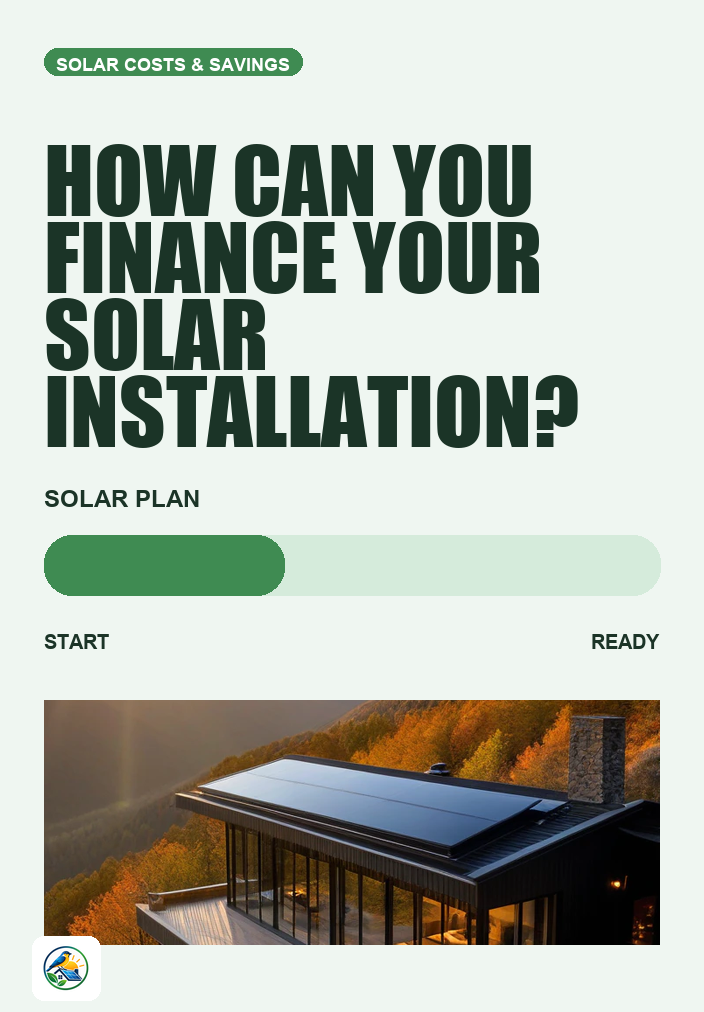
Understanding Solar Financing Options for Homeowners
As more homeowners consider the switch to solar energy, understanding the available financing options becomes crucial. Solar financing affects not only the initial cost but also the overall long-term financial implications. This article aims to provide an overview of the various financing options available for residential rooftop solar systems, including the potential addition of home batteries, and the important factors you should consider before making a decision.
Types of Solar Financing Options
There are several financing pathways for homeowners interested in solar energy. Each option comes with its own set of advantages and trade-offs. Below, we outline the most common methods:
1. Cash Purchase
Paying for a solar system upfront with cash is the simplest option. Homeowners own the system outright, which means they can benefit from any savings or incentives directly.
- Pros: Full ownership, no monthly payments, eligibility for tax credits, and potential increase in home value.
- Cons: High initial cost; might not be feasible for all homeowners.
2. Solar Loans
Solar loans allow homeowners to finance the purchase of their solar system while maintaining ownership. These loans can be secured or unsecured and typically have fixed interest rates.
- Pros: Homeowners can make monthly payments instead of a large upfront cost, and they still qualify for tax incentives.
- Cons: Monthly payments can be a financial burden; total cost may be higher due to interest.
3. Solar Leases
With a solar lease, homeowners pay to use the solar system installed on their property without owning it. Payments are typically lower than traditional utility bills.
- Pros: Little to no upfront cost, maintenance is usually covered by the leasing company.
- Cons: Homeowners do not benefit from tax credits, and long-term costs may exceed those of ownership.
4. Power Purchase Agreements (PPAs)
A PPA allows homeowners to purchase the electricity generated by the solar system at a set rate. This rate is usually lower than what they would pay to their utility company.
- Pros: No upfront costs, fixed electricity rates, and potential savings compared to traditional utility rates.
- Cons: Similar to leases, homeowners do not own the system and may miss out on tax benefits.
5. Home Equity Loans or Lines of Credit
Homeowners can leverage their home equity to finance a solar installation through a home equity loan or line of credit. This option may provide lower interest rates compared to other types of loans.
- Pros: Potentially lower interest rates and the ability to borrow a significant amount.
- Cons: Risk of foreclosure if unable to repay; subject to the home’s equity and market conditions.
Considerations for Homeowners
Before deciding on a solar financing option, homeowners should consider several key factors:
1. Roof Condition and Suitability
Evaluate your roof’s condition. If it requires repairs or is not ideally oriented for solar energy capture, it may not be the right time to install solar panels.
2. Local Incentives and Regulations
Incentives for solar can vary widely by location. Check with local government and utility companies to understand current rebates, tax credits, and net metering rules that may impact your decision.
3. Energy Needs and System Size
Determining your energy needs will guide how large of a solar system you need. Consult with a professional installer to understand the potential system size based on your energy consumption.
4. Long-term Plans
Consider your long-term plans for your home. If you plan to move in the near future, some financing options may not provide the desired benefits.
5. Maintenance and Warranty
Understand the maintenance requirements of your chosen system. Some financing options may include maintenance in their contracts, while others may not.
When to Get Professional Quotes
Obtaining quotes from qualified solar installers can provide you with tailored information specific to your home. A professional assessment will help you understand:
- Your home’s solar potential based on roof condition and orientation.
- Estimated costs and financing options suitable for your financial situation.
- Potential energy production and how it aligns with your needs.
Comparing itemized quotes will also allow you to evaluate different financing options side by side, aiding in your decision-making process.
Next Steps for Homeowners
To navigate the various solar financing options effectively, consider the following steps:
- Assess your current energy usage and needs.
- Research local incentives and regulations to understand potential savings.
- Evaluate your roof condition and suitability for solar installation.
- Contact multiple qualified solar installers for detailed, itemized quotes.
- Compare the financing options presented, considering both upfront costs and long-term payments.
Making an informed decision about solar financing can lead to a more sustainable and potentially cost-effective energy solution for your home. Take your time, do your research, and consult professionals to ensure you choose the best option for your unique situation.


















