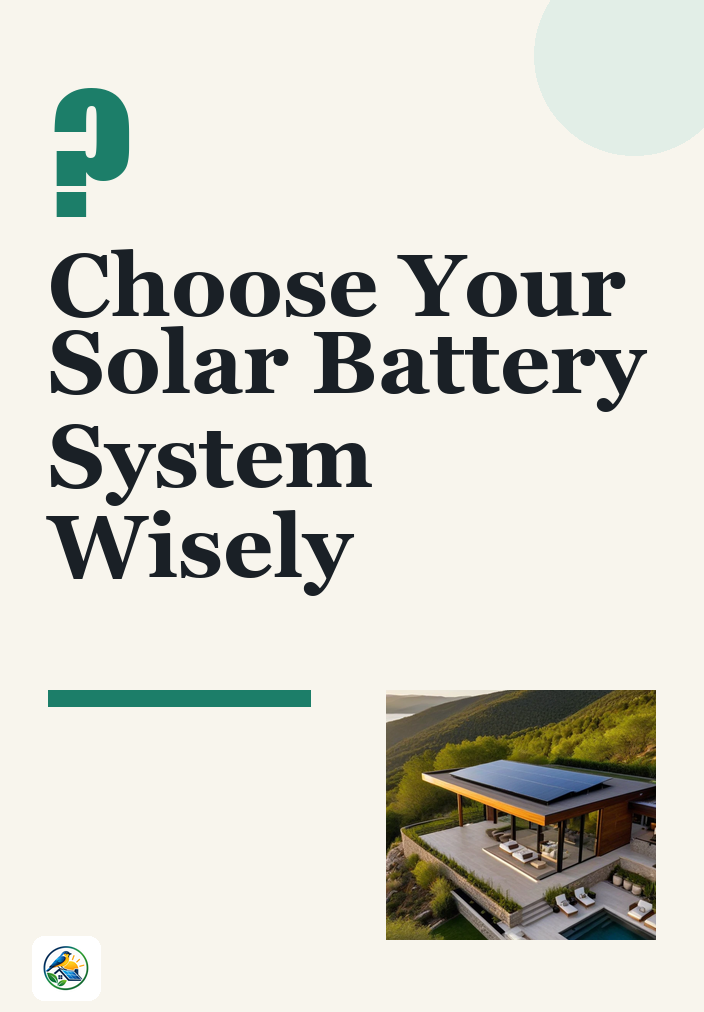
Understanding Solar Batteries vs. Generators for Home Backup Power
When it comes to ensuring your home has backup power during outages, homeowners face a key decision: should they invest in solar batteries or traditional generators? Each option offers distinct advantages and drawbacks that can significantly affect your household’s energy resilience. In this article, we’ll explore the considerations surrounding both solar batteries and generators, helping you make an informed choice tailored to your specific needs.
How Solar Batteries Work
Solar batteries store energy generated from solar panels, allowing you to use it during power outages or when the sun isn’t shining. This system typically functions as part of a grid-tied solar installation but can also provide backup power during utility interruptions.
Benefits of Solar Batteries
- Clean Energy: Solar batteries utilize renewable energy, reducing your carbon footprint and reliance on fossil fuels.
- Energy Independence: They can provide power during grid outages, allowing homeowners to maintain essential appliances and systems.
- Net Metering: In some areas, excess energy stored can be fed back into the grid for credits, though local rules vary.
Drawbacks of Solar Batteries
- High Initial Costs: The upfront investment for solar batteries and installation can be significant, and long-term savings depend on various factors.
- Battery Lifespan: Batteries have a limited lifespan and may require replacement after several years, adding to overall costs.
- Capacity Limitations: Depending on the size and capacity of the battery system, there may be limitations on how much energy can be stored and used.
How Generators Operate
Traditional generators, which can run on gasoline, diesel, or propane, provide backup power by converting fuel into electricity. Homeowners can choose between portable or standby generators, with standby models being permanently installed and connected to the home’s electrical system.
Benefits of Generators
- Immediate Power: Generators can provide instant backup power during an outage, ensuring your home remains functional.
- Higher Power Output: They often produce more electricity than batteries, allowing them to run multiple appliances simultaneously.
- Lower Initial Costs: In many cases, the initial investment for a generator can be lower than that of a solar battery system.
Drawbacks of Generators
- Fuel Dependency: Generators require a steady supply of fuel, which may not always be readily available during widespread outages.
- Environmental Impact: They emit greenhouse gases and contribute to air pollution, which is a consideration for environmentally-conscious homeowners.
- Noise Levels: Generators can be quite loud during operation, which may be a disturbance to you and your neighbors.
Comparing the Two Options
To help you weigh the options, consider the following factors:
1. Power Needs
Assess your household’s power requirements during an outage. Solar batteries might be suitable for essential devices, while generators can power larger appliances and systems. Determine what you need to keep running and for how long.
2. Energy Source
Consider whether you prefer renewable energy sources. If sustainability is a priority for you, solar batteries may align better with your values. On the other hand, if you want a straightforward, immediate solution, a generator could be the way to go.
3. Installation and Maintenance
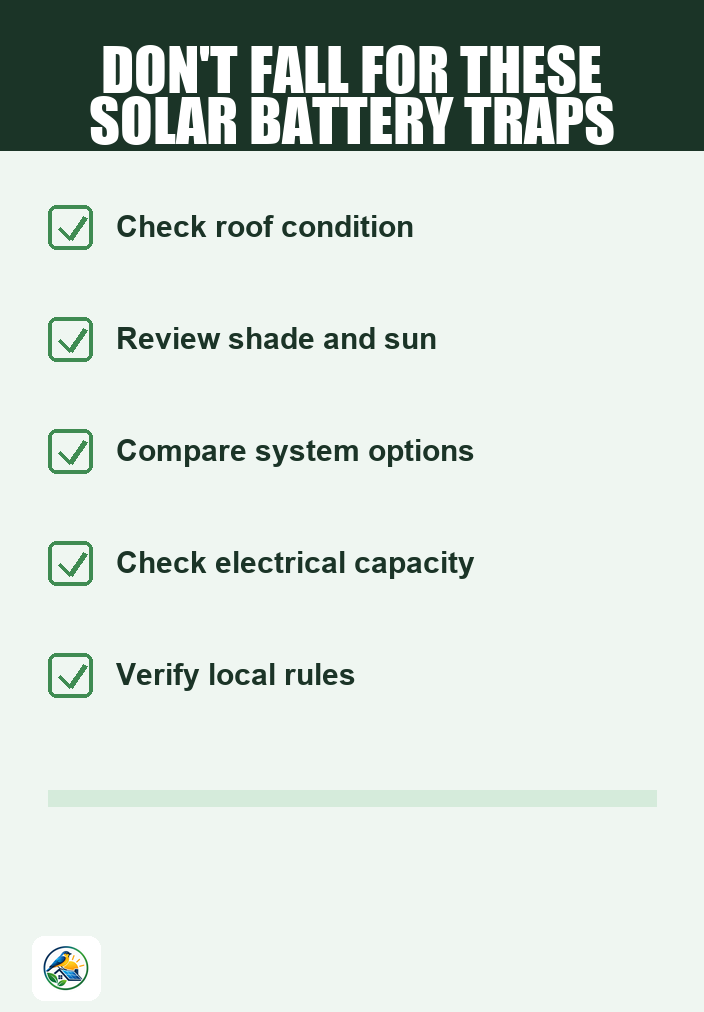
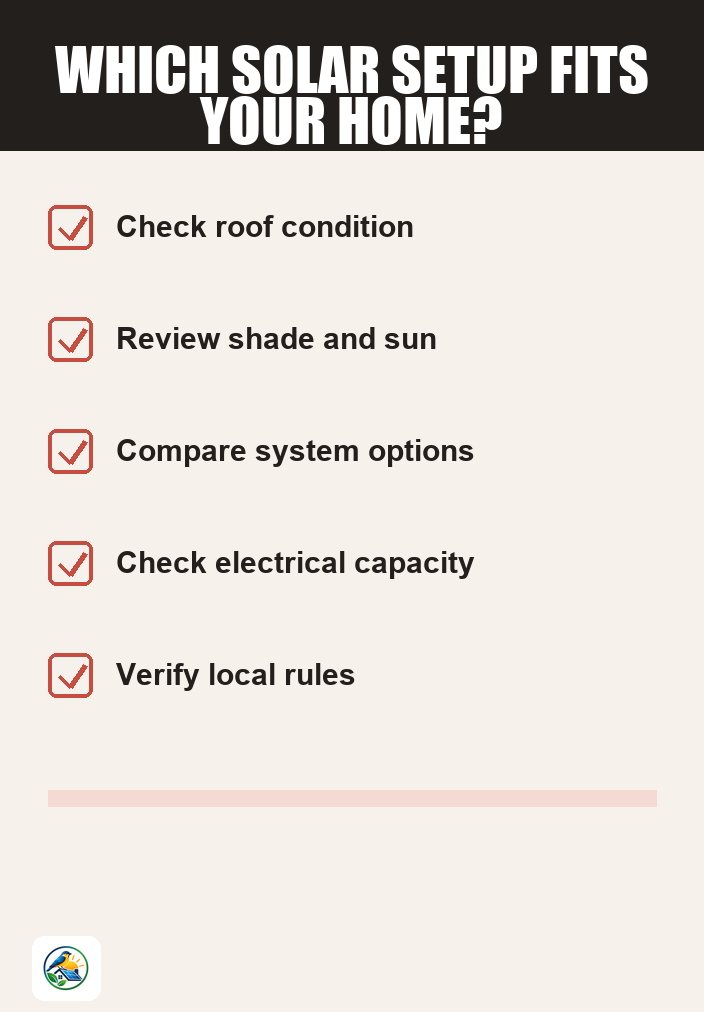
Both systems require professional installation, but the installation processes differ. Solar batteries often need consideration of your roof’s condition and orientation, while generators require a designated space and proper ventilation. Maintenance is also required for both systems: batteries may need monitoring and eventual replacement, while generators require regular servicing to ensure functionality.
4. Costs and Incentives
Costs for solar batteries and generators vary widely based on brand, capacity, and local market conditions. While some states offer incentives for solar installations, including batteries, generators typically do not qualify for the same tax breaks. Always verify local utility policies and potential incentives before making a decision.
Deciding Factors for Homeowners
Ultimately, the decision between solar batteries and generators depends on your unique situation. Here are some questions to consider:
- What is your budget for backup power solutions?
- How often do you experience power outages in your area?
- What is your commitment to sustainability and renewable energy?
- How much power do you need to keep essential systems operational?
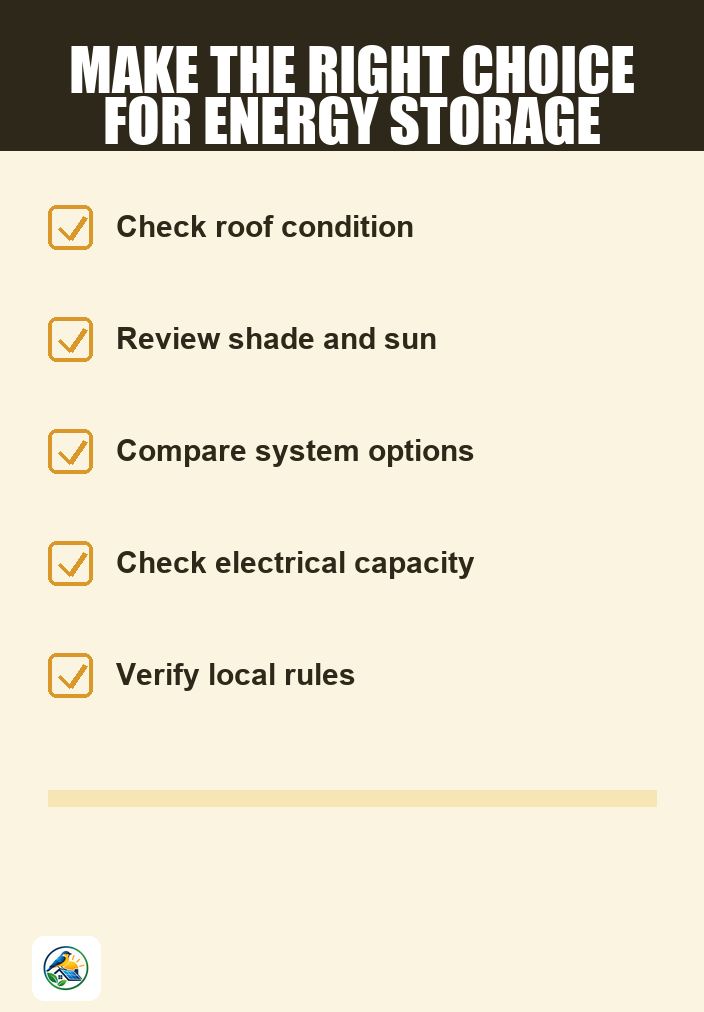
It’s also worth consulting with professional installers to get a clearer picture of what will work best for your home. They can assess your property and offer tailored recommendations based on your energy needs, roof condition, and local regulations.
Next Steps
As you weigh your options, consider comparing itemized quotes from qualified installers. This will give you a better understanding of the costs and specifications associated with both solar battery systems and generators. Understanding your local utility rules and any potential incentives will also help guide your decision. Take your time to gather the necessary information and choose the solution that best fits your needs for reliable backup power.