
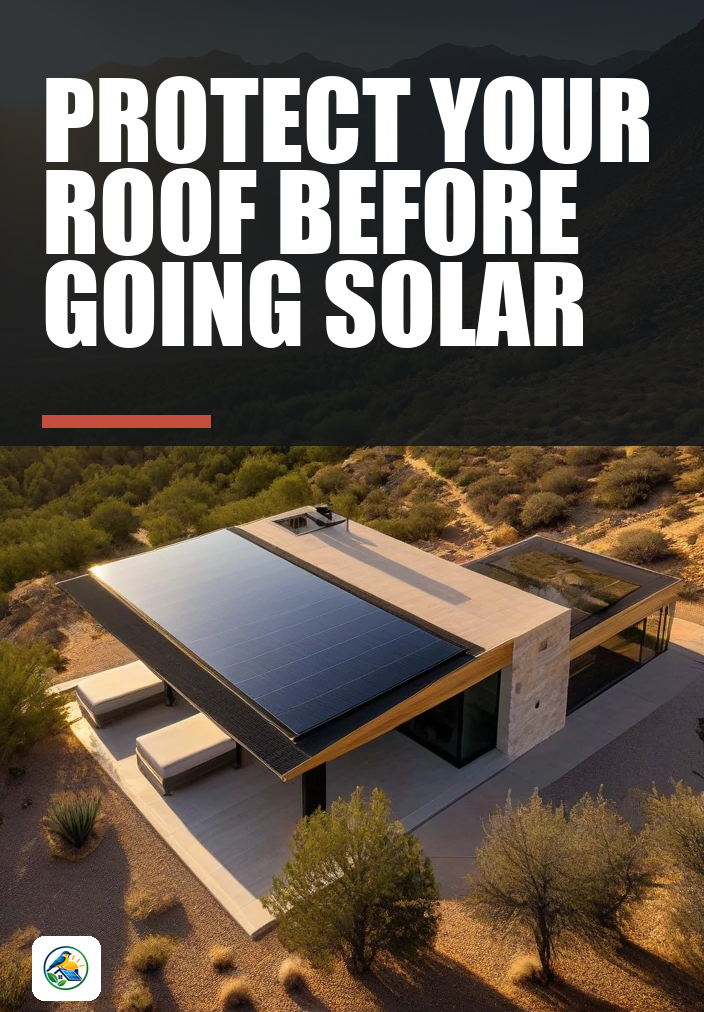
Understanding the Importance of a Roof Inspection Before Solar Installation
As a U.S. homeowner considering a residential rooftop solar system, it’s easy to get caught up in the excitement of potential energy independence and savings. However, before you dive into solar financing or installation, it’s crucial to understand the importance of a roof inspection. A thorough inspection can save you more than just money; it can prevent headaches and costly repairs in the long run.
Why a Roof Inspection Matters
Your roof is the foundation for your solar system, and its condition directly impacts the feasibility and efficiency of your solar installation. If your roof is old, damaged, or inadequate, it could lead to several issues, including:
- Structural Integrity: A weak roof may not support the weight of solar panels.
- Leaks and Water Damage: Existing leaks can worsen with panel installation.
- Increased Maintenance Costs: A compromised roof may require repairs shortly after the solar installation.
Assessing Your Roof’s Condition
Before you consider financing options for solar, it’s essential to assess your roof’s condition. Here are key factors to consider:
- Age: Most roofs last between 20 to 30 years. If yours is approaching or exceeding this age, it may need replacement.
- Materials: Different roofing materials (asphalt, metal, tile, etc.) have varying lifespans and durability.
- Visible Damage: Look for missing shingles, cracks, and signs of wear that could affect installation.
- Roof Pitch: A steep roof may be more challenging and costly to work on than a flat one.
Trade-offs of Skipping a Roof Inspection
While it might be tempting to bypass a roof inspection to expedite the solar installation process, the trade-offs can be significant. Here are some potential consequences:
- Unexpected Costs: If your roof requires repairs after solar panels are installed, it could result in costly adjustments or removal of the system.
- Reduced Efficiency: Panels installed on a compromised roof may not function optimally, leading to decreased energy production.
- Warranty Issues: Some manufacturers may void warranties if the roof is not in proper condition before installation.
What to Expect During a Roof Inspection
A professional roof inspection typically includes the following steps:
- Visual Assessment: Inspectors will look for signs of wear, damage, and potential structural issues.
- Measurement: They may measure the roof’s pitch and dimensions to determine suitability for solar panels.
- Material Evaluation: Analyzing the type of roofing material to ascertain its lifespan and compatibility with solar systems.
- Recommendations: Providing guidance on any necessary repairs or upgrades before solar installation.
Choosing the Right Professionals
When selecting a roofing professional, consider the following tips:
- Experience: Look for contractors experienced in both roofing and solar installations.
- References: Ask for references and read reviews from previous clients.
- Certifications: Verify that the professional has the necessary licenses and certifications for your region.
How Roof Condition Affects Solar Installation Decisions
Your roof’s condition will influence several key decisions during the solar installation process:
- Financing Options: If your roof needs repairs, consider financing those alongside your solar system to avoid future complications.
- System Design: The pitch and orientation of your roof will affect how much sunlight your panels receive, impacting their design and placement.
- Installation Timeline: Roof repairs might extend the timeline for your solar installation, so it’s essential to plan accordingly.
Evaluating Alternatives: Battery Backup and Off-Grid Systems
If your roof is unsuitable for solar panels, you might still consider alternatives like battery backup systems or even off-grid solutions. However, these options come with their own sets of considerations:
- Battery Backup: While they can store excess energy generated by solar panels, they require a compatible solar system. If your roof can’t support solar, battery backup may not be viable.
- Off-Grid Systems: These systems can work independently of the grid but typically require significant investment and extensive planning, especially if your roof isn’t conducive to solar panels.
Next Steps: Making Informed Decisions
Before you move forward with solar financing, take the time to get a professional roof inspection. This step ensures that your roof can support a solar system and helps avoid unexpected costs down the line. Once you have a clear understanding of your roof’s condition, you can compare itemized quotes from qualified installers. By doing so, you can make a well-informed decision that considers both your roofing needs and your solar ambitions.
In summary, while the allure of solar energy is strong, ensuring your roof is up to the task is vital. A roof inspection can save you from potential pitfalls and pave the way for a successful solar installation.


















