Understanding Solar Battery Systems for Your Well Pump
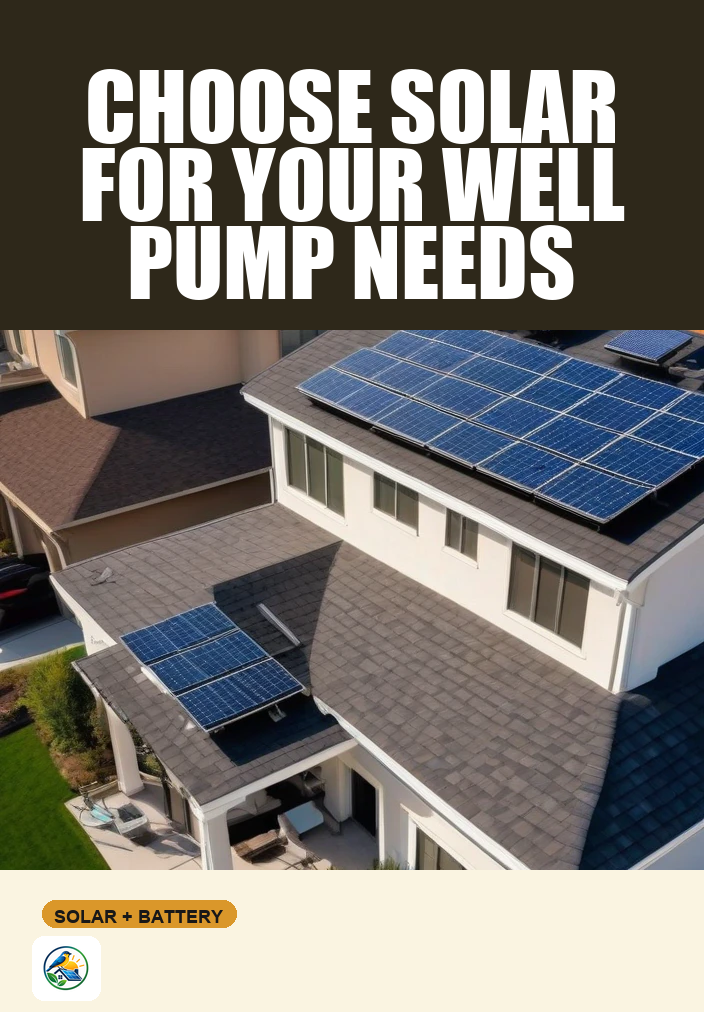
For many homeowners, having a reliable source of water is non-negotiable. If you’re considering solar energy as a solution for powering your well pump, understanding the role of solar battery systems is essential. Solar battery systems can provide backup power, enhance energy efficiency, and ensure uninterrupted water supply, especially during outages. In this article, we’ll explore the various options and considerations for integrating solar battery systems with your well pump.
The Basics of Solar Systems for Well Pumps
When it comes to powering a well pump, there are generally two types of solar systems to consider: grid-tied and off-grid systems.
- Grid-Tied Solar Systems: These systems connect to the local electrical grid. They allow you to draw power from the grid when your solar panels aren’t producing enough energy. However, during a power outage, a grid-tied system won’t provide power unless it includes a battery backup.
- Off-Grid Solar Systems: Off-grid systems are self-sufficient and do not rely on the electrical grid. They typically include a solar battery system to store energy for use when solar production is low, making them more suitable for remote locations.
Choosing between these systems depends on your specific needs and circumstances, including your location, the reliability of your utility service, and your water needs.
Why Consider a Solar Battery System?
Solar battery systems offer several advantages for homeowners looking to ensure a constant water supply through their well pumps:
- Energy Independence: A solar battery system allows you to store energy generated during the day for use at night or during cloudy days, reducing reliance on the grid.
- Backup Power: In the event of a power outage, a battery system can keep your well pump operational, ensuring continued access to water.
- Cost Efficiency: By using stored solar energy, you can potentially reduce your electricity bills, although this varies widely by location and usage.
Key Considerations When Choosing a Solar Battery System
Before investing in a solar battery system for your well pump, consider the following factors:
1. Energy Needs Assessment
Calculate the energy requirements of your well pump. Typically, well pumps can range from 400 to 2,500 watts, depending on the model and depth of the well. Knowing your pump’s wattage will help you determine the size of the solar system and battery storage required.
2. Battery Capacity
Battery capacity is measured in kilowatt-hours (kWh). To ensure your well pump can operate for a desired duration during outages, choose a battery that can store enough energy. For example, if your pump consumes 1,200 watts and you want it to run for 10 hours, you’ll need a battery with at least 12 kWh of storage.
3. Depth of Discharge (DoD)
Different battery technologies have varying depths of discharge, indicating how much of the battery’s capacity can be used without damaging it. Lithium-ion batteries typically have a higher DoD (around 80-90%) compared to lead-acid batteries (50-60%). This means you can utilize more stored energy with lithium-ion systems.
4. Charging Efficiency
Consider the efficiency of the battery when charged with solar power. Most systems have a charging efficiency of around 85-95%. This efficiency affects the total usable energy from your solar panels, impacting how much energy you can store and use.
5. Installation and Maintenance
Professional installation is critical for safety and system performance. Consult with qualified solar installers to get a quote tailored to your needs. Regular maintenance is also essential to ensure optimal battery performance and longevity.
Comparing Battery Options
There are several battery technologies available, and each comes with its own pros and cons:
- Lithium-Ion Batteries: These batteries are lightweight, have a long lifespan, and a high DoD. However, they tend to be more expensive upfront.
- Lead-Acid Batteries: More affordable initially, but they have a shorter lifespan and lower DoD. They also require more maintenance and can take up more space.
- Saltwater Batteries: An emerging technology that offers environmental benefits and safety. While still being developed, these batteries could be a good mid-range option in the future.
Understanding Local Regulations and Incentives
Before proceeding with installation, research local regulations regarding solar systems and well pumps. Some areas may have specific codes and requirements for installations, particularly concerning battery storage. Additionally, investigate available incentives such as tax credits or rebates that could offset costs. Always verify the latest information as these can change frequently.
Planning for Future Growth
Consider your future energy needs. If you plan to expand your home or add additional appliances that will require power, it’s wise to design a solar battery system that can accommodate future growth. Discuss your long-term plans with your installer to ensure your system can adapt as needed.
Next Steps for Homeowners
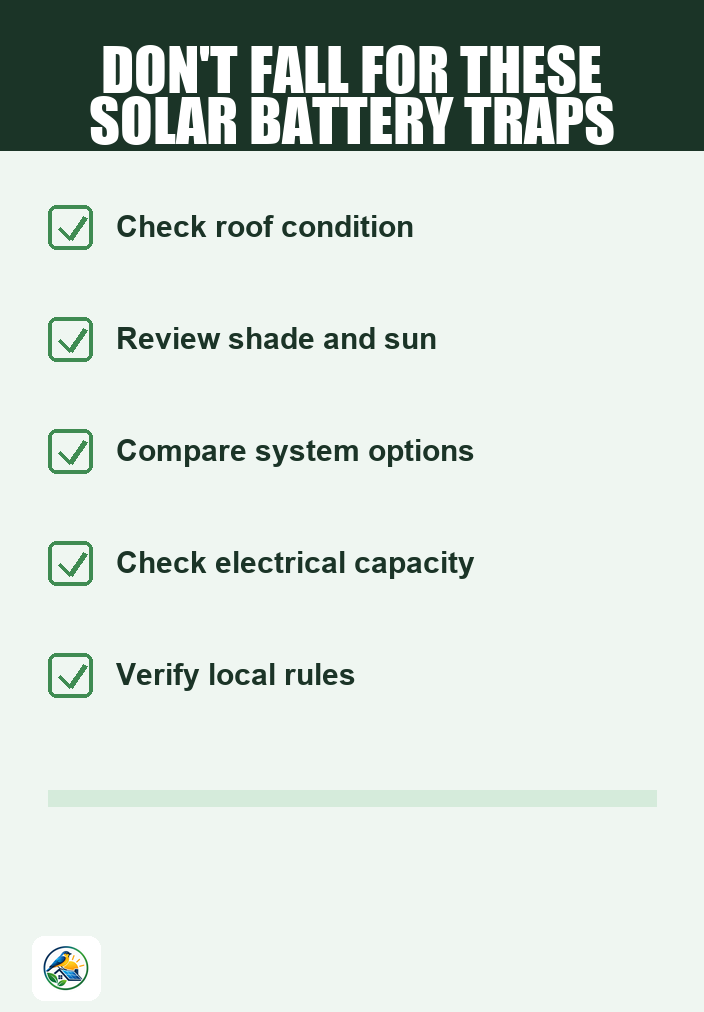
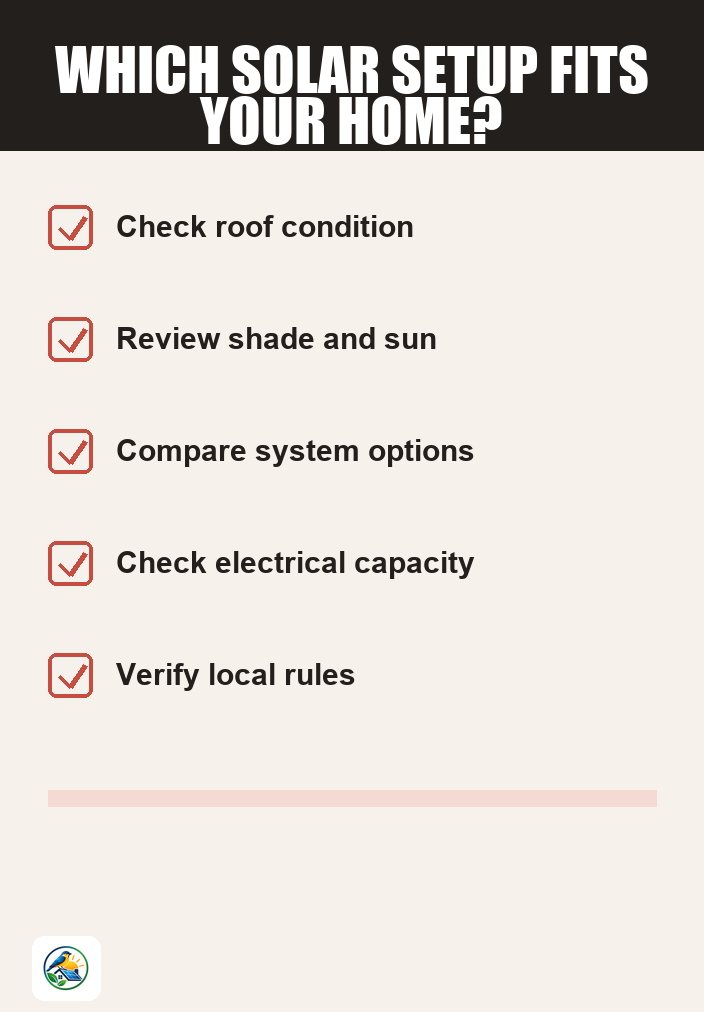
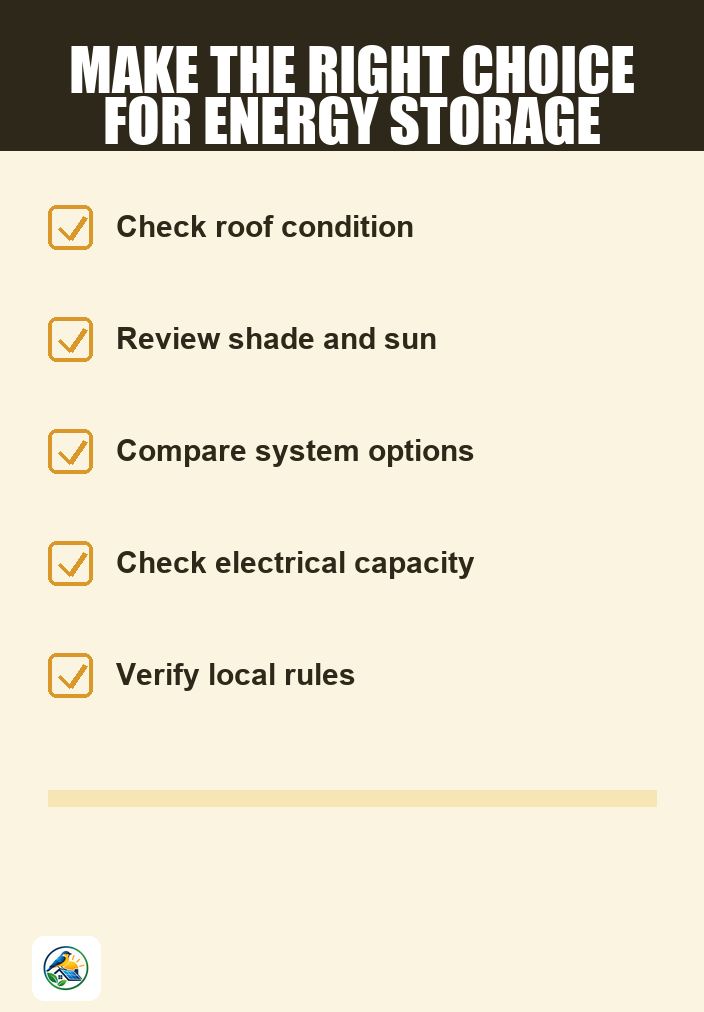
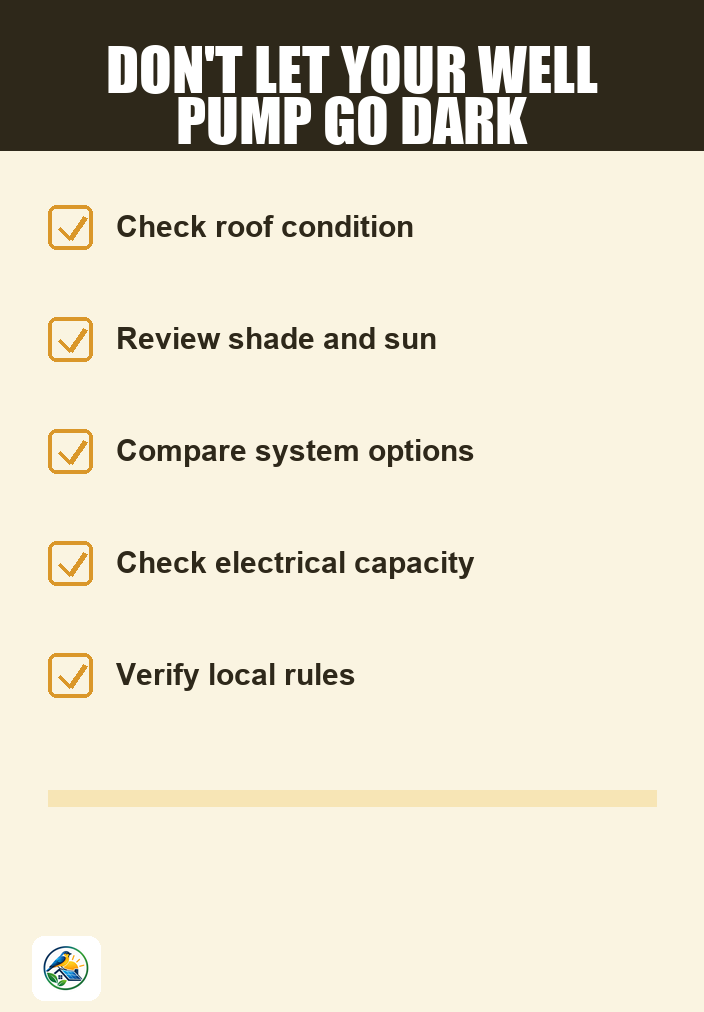
Choosing the right solar battery system for your well pump is a significant decision. Start by assessing your energy needs and understanding your local regulations. Once you have a general idea of what you need, it’s time to get itemized quotes from qualified solar installers. Comparing these quotes will provide clarity on costs, equipment options, and installation procedures, helping you make an informed decision tailored to your specific requirements.
By investing the time to understand your options, you can find a solar battery system that not only meets your current needs but also provides peace of mind for the future.