
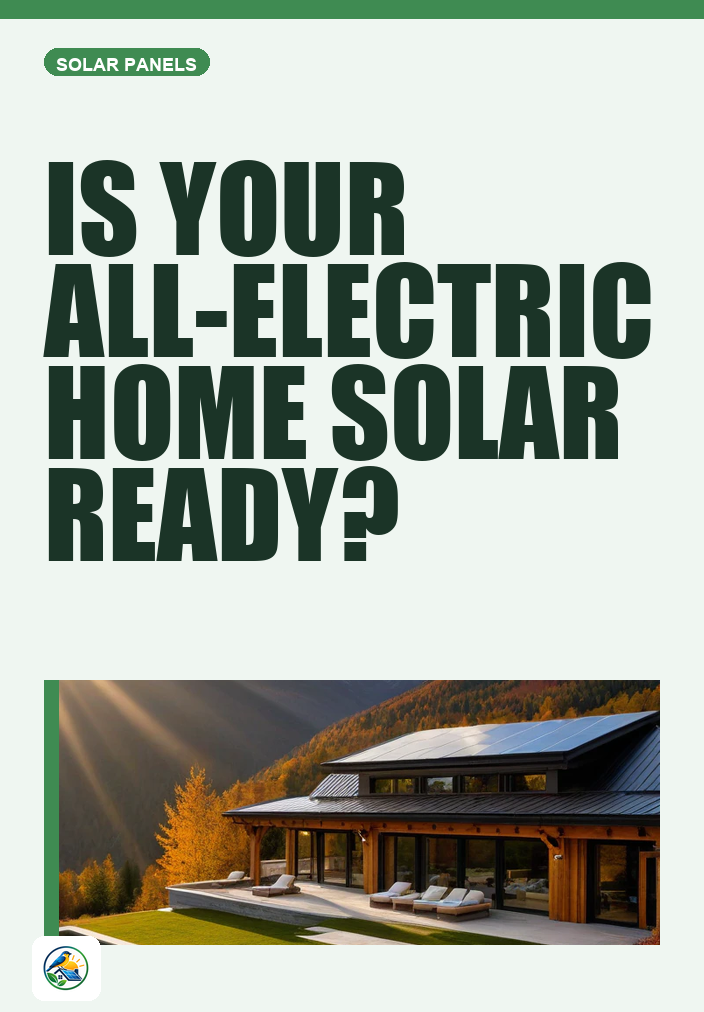
Understanding the Unique Needs of All-Electric Homes for Solar Solutions
As the trend toward all-electric homes gains traction, many homeowners are exploring solar energy as a viable solution to power their households. However, the transition to solar for an all-electric home may require a different approach compared to traditional homes that still rely on fossil fuels for heating or cooking. In this article, we will examine why all-electric homes may need tailored solar solutions, the options available, and key considerations for homeowners.
What Makes All-Electric Homes Different?
All-electric homes use electricity for all of their energy needs, including heating, cooling, water heating, and cooking. This approach can have several advantages, such as improved energy efficiency and reduced emissions, especially when paired with renewable energy sources like solar. However, it also presents unique challenges:
- Higher Energy Demand: All-electric homes typically consume more electricity than homes that use gas or other fuels for heating or cooking. This increased demand can influence the size and type of solar system needed.
- Load Management: Managing energy usage becomes crucial, especially during peak demand times. Homeowners may need to consider energy storage solutions to avoid drawing electricity from the grid when rates are highest.
- Alignment with Solar Production: The energy needs of all-electric homes often peak during the winter months when solar production may be lower. Homeowners must strategize effectively to align energy consumption with solar generation.
Solar System Options for All-Electric Homes
When considering solar solutions for an all-electric home, homeowners have several options to explore. Each option has its trade-offs and may be more suitable depending on individual circumstances.
Grid-Tied Solar Systems
Grid-tied systems are the most common type of solar installation. They connect directly to the utility grid, allowing homeowners to use solar energy for their needs while still having access to electricity from the grid. However, these systems do not provide power during outages unless paired with a battery backup.
Battery Storage Solutions
For all-electric homes, incorporating a battery storage system can be particularly beneficial. A battery allows homeowners to store excess solar energy generated during the day for use at night or during periods of high demand. This can help optimize energy usage and reduce reliance on the grid. However, battery systems come with added costs and require careful consideration of capacity and lifespan.
Off-Grid Systems
Though less common for all-electric homes, off-grid systems are an option for homeowners seeking complete energy independence. These systems typically require a larger solar array and robust battery storage to meet all energy needs year-round. Off-grid systems can be complex and may require additional maintenance and planning, making them suitable for only certain situations.
Key Considerations for Homeowners
Before investing in solar for an all-electric home, several factors should be evaluated to ensure the system meets your needs:
1. Energy Consumption Analysis
Understanding your household’s energy consumption is crucial. Analyze your past utility bills to determine your average usage, peak demand periods, and seasonal variations. This information will help you size your solar system appropriately.
2. Roof Condition and Orientation
Assess the condition of your roof and its orientation. A roof in good condition with a southern exposure will typically yield the best solar production. Evaluate roof shading from trees or nearby structures that could impact solar generation throughout the day.
3. Local Regulations and Incentives
Before proceeding, familiarize yourself with local permitting processes, utility regulations, and available incentives. These can differ significantly by location and may affect the feasibility and cost of your solar project. Always verify current information from local utilities or government sources.
4. Future Energy Needs
Consider any planned changes that may affect your energy consumption, such as adding electric vehicles, home expansions, or new appliances. These factors will influence the size and design of your solar installation.
5. Professional Installation
Given the complexities involved, obtaining quotes from multiple qualified solar installers can help you make an informed decision. A professional assessment will provide insights into the best system design, equipment options, and estimated costs specific to your home.
Potential Drawbacks to Consider
While solar energy has numerous benefits, there are also potential drawbacks and constraints to keep in mind:
- Cost of Installation: Solar installations can be a significant upfront investment. Homeowners should be prepared for the initial costs and consider financing options.
- Maintenance Requirements: While solar systems generally require little maintenance, homeowners should be aware of potential repair costs, especially for battery systems.
- Weather Variability: Solar production can be affected by weather conditions such as rain, snow, or prolonged cloud cover, impacting energy generation.
- Utility Policies: Changes in net metering policies or utility rates can affect the financial viability of solar systems, making it essential to stay informed about local rules.
Next Steps for Homeowners
Transitioning to solar energy in an all-electric home involves careful consideration of your unique needs and circumstances. Start by analyzing your energy consumption and evaluating your roof’s suitability for solar. Research local regulations and incentives thoroughly.
Finally, compare itemized quotes from qualified solar installers to determine the best fit for your home and energy goals. With the right approach, solar energy can be a powerful ally in achieving energy independence while supporting the transition to an all-electric future.


















