
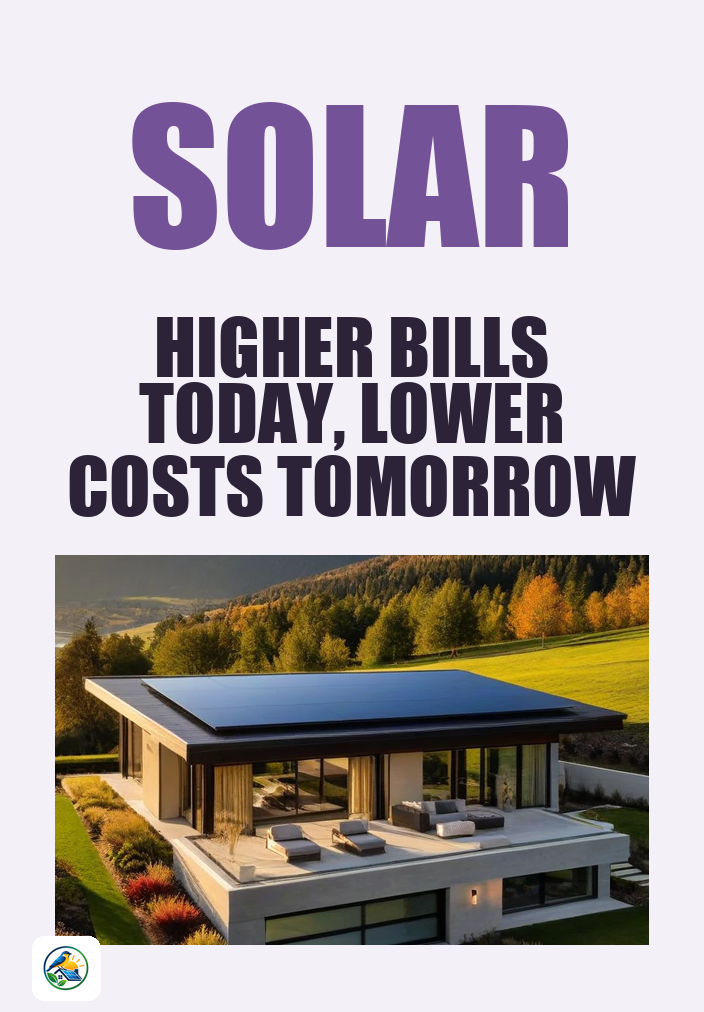
Understanding the Connection Between High Electricity Bills and Solar Savings
Many homeowners are startled by their monthly electricity bills, especially during peak usage months. While high energy costs can be frustrating, they may actually present an opportunity for you to save more in the long run by investing in a solar energy system. Here’s how paying high electricity bills can be the catalyst for considering solar, along with some important factors to weigh before making a decision.
The Logic Behind High Electricity Bills and Solar Investment
At first glance, it may seem counterintuitive that high electricity bills could lead to savings through solar energy. However, the relationship is straightforward: the more you pay for electricity, the more you stand to gain by switching to solar. Here’s why:
- High Utility Rates: If your utility company charges high rates, switching to solar can offset those costs. You essentially convert your energy source from your utility to solar power, which is free once the system is installed.
- Incentives and Financing: Many states offer incentives for solar installation that can help to alleviate the upfront cost. When your energy bills are high, these incentives can become even more attractive.
- Long-Term Energy Stability: With solar, you can lock in your energy costs over the life of the system, protecting yourself from future rate hikes.
Calculating Potential Benefits: A Simple Example
Let’s illustrate this with a hypothetical scenario:
- You currently pay $200 per month for electricity.
- Over the course of a year, that amounts to $2,400.
- If your solar system produces enough energy to cover that bill, you’ve effectively saved that amount.
Although installation costs can vary, many homeowners find that the long-term savings make the investment worthwhile. Nevertheless, it’s essential to remember that not every home will see the same financial outcome. Factors such as location, roof orientation, and local regulations will play a crucial role in your solar viability.
Factors to Consider When Choosing Solar
Before diving into solar, it’s vital to examine several factors that could influence your decision:
1. Roof Condition and Orientation
Your roof’s condition and orientation can significantly impact solar energy production. A roof that is in poor condition may require repairs before installation, and roofs that face south typically receive the most sunlight.
2. Shade and Surrounding Landscape
Nearby trees or buildings can create shade, reducing the efficiency of a solar system. It’s essential to assess your property for any potential shading issues that could impact energy production.
3. Local Utility Policies
Utilities may have different policies regarding net metering, which allows you to sell excess energy back to the grid. Understanding your utility’s rules can help you gauge how much you might save with a solar system.
4. Home Energy Needs
Your energy consumption habits will dictate the size and type of solar system you need. A larger household or one with high energy usage may require more panels, while smaller homes might need fewer. A professional installer can provide insights tailored to your specific energy needs.
5. Financing Options
Solar systems can be financed in various ways, including cash purchases, loans, or leases. Each option has its pros and cons, so understanding your financial situation is crucial before proceeding.
The Role of Battery Storage
Many homeowners also consider the addition of a home battery to their solar system. While batteries can increase your initial costs, they offer benefits such as:
- Energy Independence: Storing energy allows you to use solar power even when the sun isn’t shining, reducing reliance on the grid.
- Backup Power: In the event of a power outage, a battery can provide essential power to your home, enhancing resilience.
However, batteries come with their own considerations, including lifespan, maintenance, and upfront costs, which should be discussed with an installer.
Next Steps: Evaluating Your Solar Options
If you’re grappling with high electricity bills and considering solar, the best course of action is to gather detailed quotes from qualified solar installers. Here are some practical steps:
- Research Local Installers: Look for companies with good reviews and experience in your area.
- Request Itemized Quotes: Ensure that each quote includes costs for equipment, installation, and any applicable incentives or financing options.
- Consult with a Professional: A qualified installer can help you assess your home’s suitability for solar and provide customized recommendations based on your energy needs.
- Verify Incentives: Check with local utility companies and government resources for current incentives that may apply to your situation.
In summary, while high electricity bills may initially seem like a burden, they can also serve as a significant motivator for exploring solar energy solutions. By carefully weighing your options, understanding your home’s unique circumstances, and gathering detailed quotes from professionals, you can make an informed decision about whether solar is the right fit for your home.


















