
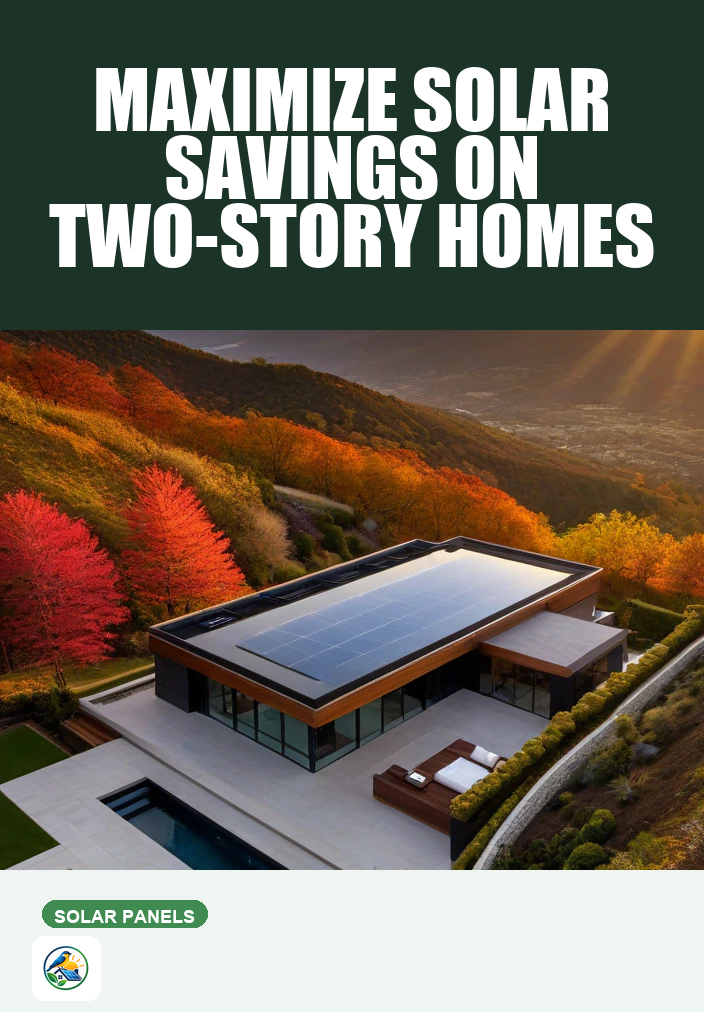
Understanding the Benefits of Smart Solar Financing for Two-Story Homes
Two-story homes can offer unique advantages when it comes to installing a residential rooftop solar system. The structure and layout of these homes can influence not only energy production but also financing options. This article will explore how smart solar financing can be particularly beneficial for two-story homeowners, addressing key considerations, trade-offs, and practical steps to take.
Why Two-Story Homes Are Ideal Candidates for Solar Energy
Two-story homes typically have more roof space than single-story houses, which can be a significant advantage when installing solar panels. More roof space can allow for a greater number of panels, enabling homeowners to harness more sunlight and potentially generate more energy. However, the benefits of solar energy extend beyond just the physical space available.
Roof Orientation and Pitch
The orientation and pitch of a two-story roof can enhance solar panel efficiency. Many two-story homes feature roofs that face south or southwest, which are optimal orientations for solar energy capture. Additionally, a steeper roof pitch can help with drainage and snow shedding, making it easier for panels to remain clear and effective year-round.
Reduced Energy Costs
With the increased energy production potential comes the opportunity for reduced energy costs. While it’s essential to understand that solar isn’t a one-size-fits-all solution, many two-story homeowners find that their energy needs can be met more effectively through solar systems. This is especially true in regions with high electricity rates.
The Role of Smart Solar Financing
Smart solar financing options can make solar energy more accessible and affordable for two-story homeowners. Understanding these options can help you determine the best approach for your situation.
Types of Financing Options
- Cash Purchase: Buying a solar system outright is often the most straightforward option, but it may require significant upfront investment.
- Solar Loans: These loans allow homeowners to finance the cost of the solar system over time, spreading out payments while still enjoying the benefits of solar energy immediately.
- Leases and Power Purchase Agreements (PPAs): These arrangements enable homeowners to use solar energy without purchasing the system. Payments are made based on energy production or a fixed monthly rate.
- Incentives and Rebates: Various local, state, and federal incentives may be available, but it’s crucial to verify the current offerings based on your location.
Choosing the Right Financing Structure
When considering solar financing, it’s essential to evaluate your financial situation and long-term goals. For instance, if you plan to stay in your home for many years, a solar loan or cash purchase may provide the best long-term savings. In contrast, if you anticipate moving within a few years, a lease or PPA might be a more flexible option.
Practical Considerations for Two-Story Homes
While two-story homes can benefit from solar energy, there are specific considerations that homeowners should keep in mind when planning their solar installation.
Roof Condition and Age
Before installing solar panels, assess the condition of your roof. If your roof requires repairs or replacement, it’s wise to address these issues before proceeding with solar installation. A new roof can also optimize the solar installation process, ensuring that panels are securely mounted and able to operate effectively for years to come.
Shade and Surrounding Environment
Solar panels work best when they receive direct sunlight. Evaluate any trees, buildings, or other structures that may cast shadows on your roof. If shading is a concern, you may want to consider trimming trees or selecting a different roof area for installation.
Electrical System Upgrades
Depending on the age and condition of your electrical system, upgrades may be necessary to accommodate solar panel installation. This could involve replacing old wiring or upgrading your electrical panel. A professional installer can help assess your system and identify any necessary adjustments.
Making Informed Decisions with Professional Quotes
Once you’ve considered the unique aspects of your two-story home and the benefits of smart solar financing, the next step is to obtain quotes from qualified installers. Itemized quotes can provide clear insight into the costs and potential incentives involved in your solar project.
What to Include in Your Quote Request
- A detailed assessment of your roof’s condition and orientation
- Estimates on the number of solar panels needed
- Information on financing options available
- Detailed breakdown of installation costs
- Potential incentives and rebates applicable to your location
Next Steps for Two-Story Homeowners
As a two-story homeowner considering solar energy, take the time to research your options thoroughly. Start by assessing your roof’s condition and orientation, evaluating your energy needs, and understanding the various financing options available. Obtaining multiple, itemized quotes from reputable installers will help you make a well-informed decision tailored to your specific situation.
Remember, while solar can offer significant benefits, it’s not the right choice for everyone. Be sure to consider all factors and consult with professionals to find the best solution for your home.


















