
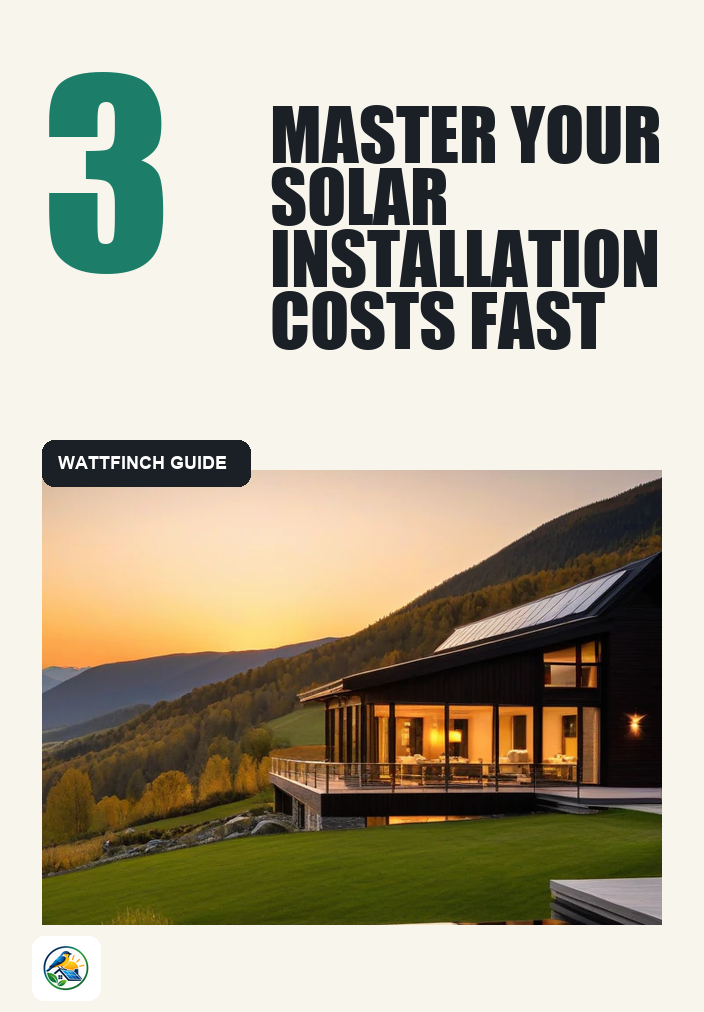
Understanding the Basics of Solar Installation Costs for a 1500 Square Foot Home
When considering a solar installation for a 1500 square foot home, understanding the associated costs is essential. These costs can vary significantly based on various factors, including equipment choice, labor, and local regulations. Here are four key considerations to keep in mind when calculating the costs for a residential rooftop solar system.
1. System Size and Energy Needs
The first step in estimating solar installation costs is determining the appropriate system size for your home. A standard rule of thumb is that a 1500 square foot home typically requires a solar system ranging from 4 to 6 kilowatts (kW) of capacity, but this can vary based on your specific energy consumption and local sunlight availability.
Assessing Your Energy Usage
- Review Your Utility Bills: Check your monthly electricity usage over the past year. This will give you a baseline of your energy needs and help you size your solar system appropriately.
- Consider Seasonal Variations: Energy consumption often varies with the seasons. Take into account peak usage months to ensure your system can handle your highest demands.
- Factor in Future Changes: If you plan to add significant energy-consuming appliances, such as an electric vehicle or a swimming pool, consider how this will affect your energy needs.
2. Equipment Choices: Panels and Inverters
The type of solar panels and inverters you choose will significantly impact the overall cost of your solar installation. Solar panels vary in efficiency, warranty, and price, which can affect both your upfront costs and long-term performance.
Types of Solar Panels
- Monocrystalline Panels: These panels are made from a single crystal structure and tend to be more efficient and space-efficient, making them suitable for smaller roofs.
- Polycrystalline Panels: Slightly less efficient than monocrystalline, these panels are often more affordable. They may require more space for installation.
- Thin-Film Panels: These panels are lightweight and flexible, but they generally have lower efficiency and may require more area to generate sufficient power.
Inverter Options
Inverters are crucial for converting the direct current (DC) electricity generated by your solar panels into alternating current (AC) electricity used in your home. Your choice of inverter can influence both costs and system efficiency.
- String Inverters: These are common and economical but can be less efficient if your panels experience shading.
- Microinverters: Installed on each panel, these can optimize performance, especially in shaded areas, but typically come at a higher cost.
- Power Optimizers: These offer a middle ground, enhancing panel performance while still allowing the use of string inverters.
3. Installation Costs and Labor
Labor costs can vary widely based on your location and the complexity of the installation. Factors that may impact labor costs include roof type, pitch, accessibility, and whether any structural upgrades are needed.
Factors Affecting Installation Costs
- Roof Condition: If your roof requires repairs or reinforcement, this can add to your overall installation costs.
- Roof Orientation and Shade: A roof that faces south with minimal shading is ideal for solar panels. If your roof has obstructions that cause shade, the installation may be less efficient and more expensive.
- Local Labor Rates: Research the average labor rates in your area, as these can significantly affect your total costs.
4. Additional Costs and Incentives
While the primary costs of a solar system include equipment and installation, it’s essential to consider additional costs that may arise, as well as potential incentives that could offset these expenses.
Possible Additional Costs
- Permitting and Inspection Fees: Many municipalities require permits and inspections for solar installations, which can add to your costs.
- Electrical Upgrades: Older homes may need electrical system upgrades to accommodate solar energy, which can increase your investment.
- Battery Storage: If you’re considering backup battery storage, this will add to the overall cost of your system but can provide energy security during outages.
Incentives to Consider
Incentives can vary significantly by location, so it’s crucial to verify what is currently available:
- Federal Tax Credit: While there may be federal tax credits available for solar installations, always check the current regulations, as these can change.
- Local and State Incentives: Research local government programs or state-specific incentives that may help offset installation costs.
- Net Metering: Some states offer net metering, which allows you to sell excess energy back to the grid, potentially providing additional savings.
Next Steps for Homeowners
Calculating solar installation costs for your 1500 square foot home involves multiple factors. Start by assessing your energy needs and researching the type of solar equipment that suits your home. Consider the full scope of installation costs and the potential for incentives in your area.
To make an informed decision, it’s advisable to obtain itemized quotes from qualified solar installers. This will help you compare different options and understand the full financial picture of your solar investment. Remember, solar energy can be a significant commitment, and it’s essential to do your homework before proceeding.


















