
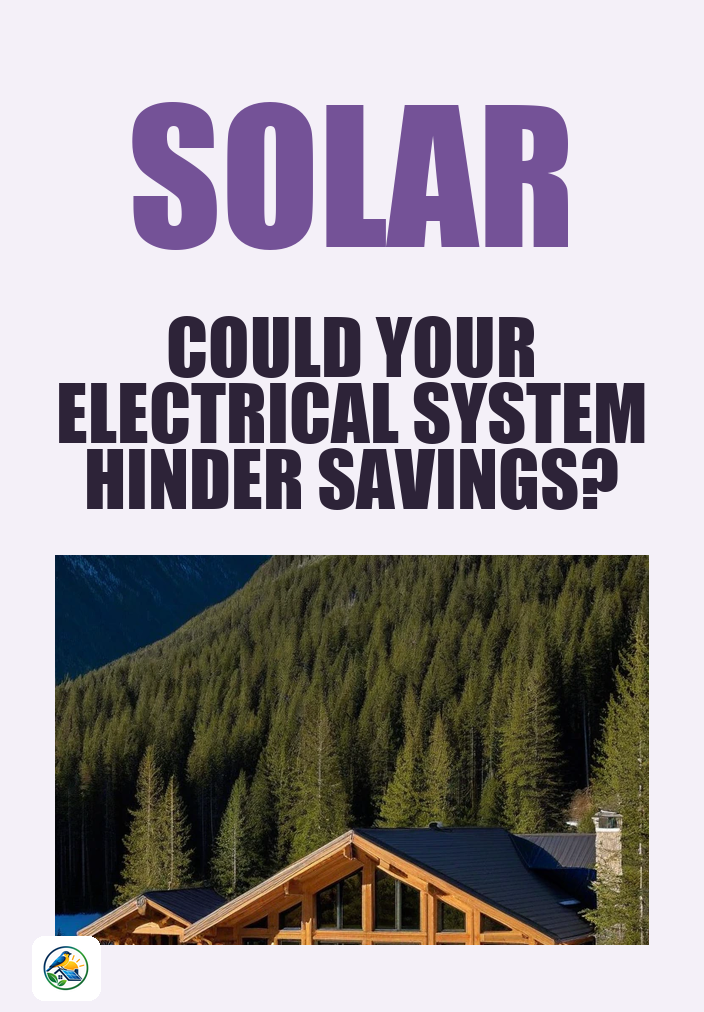
Understanding the Importance of Upgrading Your Electrical System Before Solar Installation
If you’re a homeowner considering a residential rooftop solar system, you may be excited about the potential benefits: reduced energy bills, environmental impact, and increased home value. However, before you sign any contracts or make financial commitments, it’s crucial to evaluate your existing electrical system. Electing not to upgrade your electrical system can lead to unforeseen costs and complications that may outweigh the benefits of going solar.
The Hidden Costs of an Outdated Electrical System
Your electrical system is the backbone of your home’s energy efficiency. If it’s outdated or insufficient, you could face several challenges when integrating solar power. Here are a few key issues to consider:
- Insufficient Capacity: If your current electrical panel is not rated to handle the additional load from a solar system, you may need to upgrade. This can involve significant costs, including new equipment and labor.
- Older Wiring: Older homes may have wiring that isn’t suited for modern energy demands. If your wiring is not up to code or cannot handle increased power loads, you may need a complete rewiring.
- Potential Safety Hazards: An outdated system can pose safety risks, including electrical fires. Upgrading ensures compliance with current safety standards.
Trade-offs of Not Upgrading
While it may seem financially prudent to avoid the upfront costs of upgrading your electrical system, doing so can lead to more significant expenses down the line. Here are some trade-offs to consider:
1. Increased Installation Costs
If your electrical system needs to be upgraded after solar installation, you could face unexpected costs for retrofitting. This may include additional labor to work around the installed solar equipment.
2. Delays in Installation
Finding out mid-project that your electrical system isn’t adequate can lead to delays. This can extend the timeline for getting your solar system up and running, delaying any potential energy savings.
3. Reduced Energy Production
Without an upgraded system, your solar panels may not operate at peak efficiency. This could lead to lower energy production, negating some of the anticipated benefits of your solar investment.
Evaluating Your Existing Electrical System
Before you commit to a solar installation, it’s essential to evaluate your existing electrical system. Here’s a checklist to help you assess your situation:
- Panel Capacity: Check the amp rating of your electrical panel. Most modern solar systems require at least a 200-amp panel.
- Age of the Panel: If your panel is over 20 years old, it may not meet current energy demands.
- Wiring Condition: Inspect for frayed wires, outdated materials, or any signs of wear.
- Compliance with Codes: Ensure your system meets local codes. If unsure, consult a licensed electrician.
When to Consult a Professional Installer
Engaging a professional installer can provide valuable insights into whether your electrical system is ready for solar. They can conduct a thorough evaluation and recommend necessary upgrades. Here’s when to consider getting a professional quote:
- If your electrical panel is older than 20 years
- If you’re planning to add a home battery for backup power
- If you experience frequent power outages or issues with your current electrical system
- If your home has undergone significant renovations or additions
Comparing Costs: Upgrades vs. Delays
It’s essential to weigh the costs of upgrading your electrical system against the potential delays and expenses of retrofitting after installation. To help you understand the financial implications, consider these factors:
- Cost of Upgrading: Research local costs for panel upgrades or wiring replacements.
- Potential Delays: Delays can cost you in lost energy savings, which can accumulate over time.
- Future-proofing: Upgrading now can save you money in the long run by increasing your home’s energy efficiency and safety.
Conclusion: Making an Informed Decision
Before making the leap to solar, it’s critical to take a close look at your electrical system. While it may be tempting to skip upgrades to save on initial costs, the potential for higher long-term expenses and safety issues makes such a choice risky. By understanding the implications of an outdated system and seeking professional advice, you can make a more informed decision about your solar installation.
Next Steps
To ensure you’re making the best decision for your home, compare itemized quotes from qualified solar installers in your area. They can provide valuable insights into the state of your electrical system and help you evaluate whether upgrades are necessary. Remember to verify local utility policies, incentives, and regulations, as these can significantly impact your solar experience.


















