
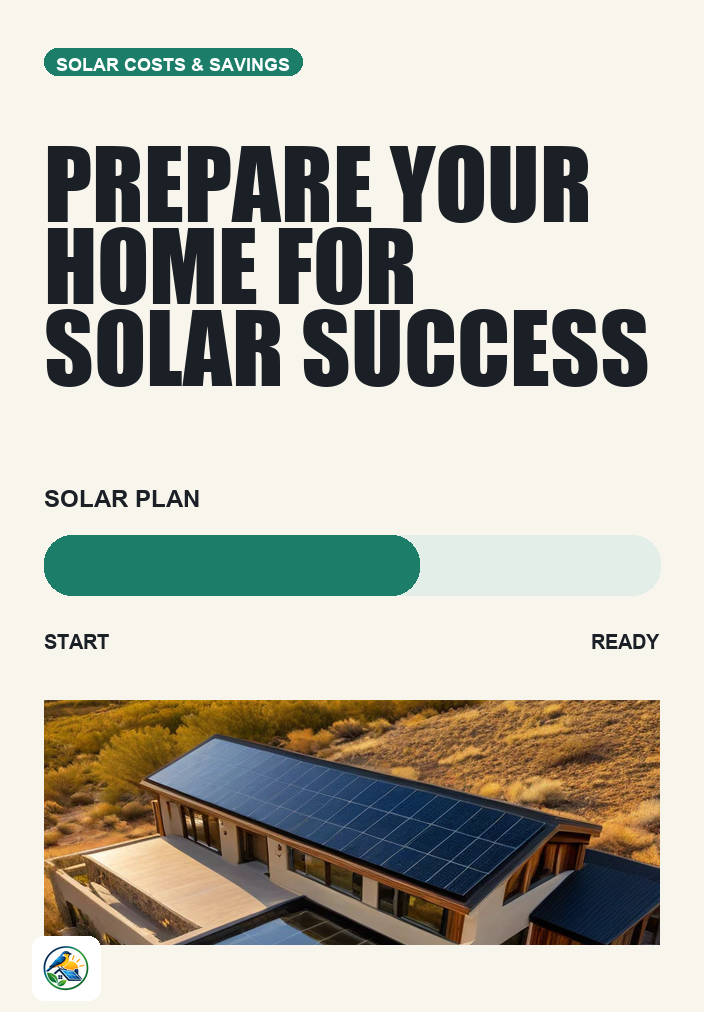
Understanding Your Roof: Assessing Condition and Suitability
Before diving into solar installation, it’s crucial to evaluate the condition of your roof. A typical home with a 3000 square foot footprint will likely have a roof size that varies based on design, but the roof’s age, material, and structural integrity are key factors.
- Age of the Roof: If your roof is nearing the end of its lifespan, consider replacing it before installing solar panels. The installation process can be invasive, and you’ll want to avoid having to uninstall and reinstall panels shortly after.
- Material: Different roofing materials have varying lifespans and can affect installation. Asphalt shingles, for instance, are generally compatible with solar panels, while slate or tile may require special mounting techniques.
- Structural Integrity: Ensure your roof can support the weight of solar panels. A professional inspection can help determine if reinforcements are needed.
Evaluating Solar Potential: Sun Exposure and Orientation
The effectiveness of solar panels is heavily influenced by sun exposure. Homes with unobstructed southern exposure typically receive the most sunlight, maximizing energy production.
- Shade Analysis: Trees, buildings, or other obstructions that cast shadows can significantly reduce solar efficiency. Use tools or apps to evaluate sunlight exposure at different times of the day throughout the year.
- Roof Orientation: South-facing roofs are ideal, but east and west-facing roofs can still generate significant energy. North-facing roofs are less effective but may still accommodate panels depending on your location.
Understanding Energy Needs: Calculating Your Consumption
Before installing solar panels, you need to understand your household’s energy consumption. This helps determine the size of the solar system required for your needs.
- Review Utility Bills: Analyze your electricity bills from the past year to get a sense of your average monthly usage in kilowatt-hours (kWh).
- Consider Future Changes: If you plan on purchasing electric vehicles or adding significant appliances, factor in these changes to avoid oversizing or undersizing your system.
Choosing the Right Solar System: Grid-Tied vs. Battery Backup
When considering solar installation, you must decide between a grid-tied system, a battery backup system, or a combination of both.
- Grid-Tied Systems: These systems are the most common; they connect directly to the utility grid. They allow you to sell excess energy back to the grid but don’t offer power during outages.
- Battery Backup Systems: These systems store energy for use during outages and can provide more independence from the grid. However, they can be more expensive and require additional maintenance.
- Off-Grid Systems: Although less common for residential applications, off-grid systems are entirely independent of the utility grid. They require larger battery banks and careful energy management.
Permitting and Local Regulations: Understanding the Process
Installing solar panels typically requires permits and adherence to local regulations. Familiarize yourself with the requirements in your area to avoid delays.
- Check Local Laws: Some areas have specific zoning laws or restrictions on solar installations. Research your local ordinances to ensure compliance.
- Homeowners’ Association (HOA): If you live in a community governed by an HOA, check their rules regarding solar panel installations.
Comparing Quotes: Finding the Right Installer
Once you’re ready to move forward, it’s essential to compare quotes from multiple solar installation companies. This helps ensure you’re getting a fair price and quality service.
- Itemized Quotes: Request detailed, itemized quotes that break down equipment, labor, permits, and additional costs. This transparency will help you compare apples to apples.
- Warranty and Maintenance: Inquire about warranties on equipment and installation, as well as options for ongoing maintenance.
Understanding Financing Options: Evaluating Your Budget
Financing a solar installation can vary widely based on your financial situation and the available incentives in your area.
- Upfront Payment: Paying in full can often save you money in the long run, as you avoid interest on financing.
- Loans and Leases: Many homeowners choose financing options, such as loans or leases, which can help spread the cost over time but may result in higher overall expenses due to interest.
- Incentives: Research available federal, state, and local incentives. These can significantly affect your overall costs but require verification for current availability.
Next Steps: Making the Solar Decision
Installing solar panels on a 3000 square foot home involves careful planning and consideration. By assessing your roof’s condition, evaluating your energy needs, understanding local regulations, and comparing quotes, you can make an informed decision. Remember, solar isn’t a one-size-fits-all solution. Take the time to gather information and consult with qualified professionals to ensure that solar is the right fit for your home.
Start by gathering itemized quotes from multiple installers, and don’t hesitate to ask questions to clarify any uncertainties. This approach will help you find the best system for your needs while ensuring a smooth installation process.


















