Understanding the Hidden Costs of Solar Installation in Massachusetts and How to Mitigate Them
As a homeowner in Massachusetts considering solar installation, you may be excited about the potential benefits of harnessing renewable energy. However, it’s essential to be aware of the hidden costs associated with solar installations that can affect your overall investment. This article will guide you through those costs and provide practical tips on how to mitigate them.
The True Cost of Solar: What to Expect
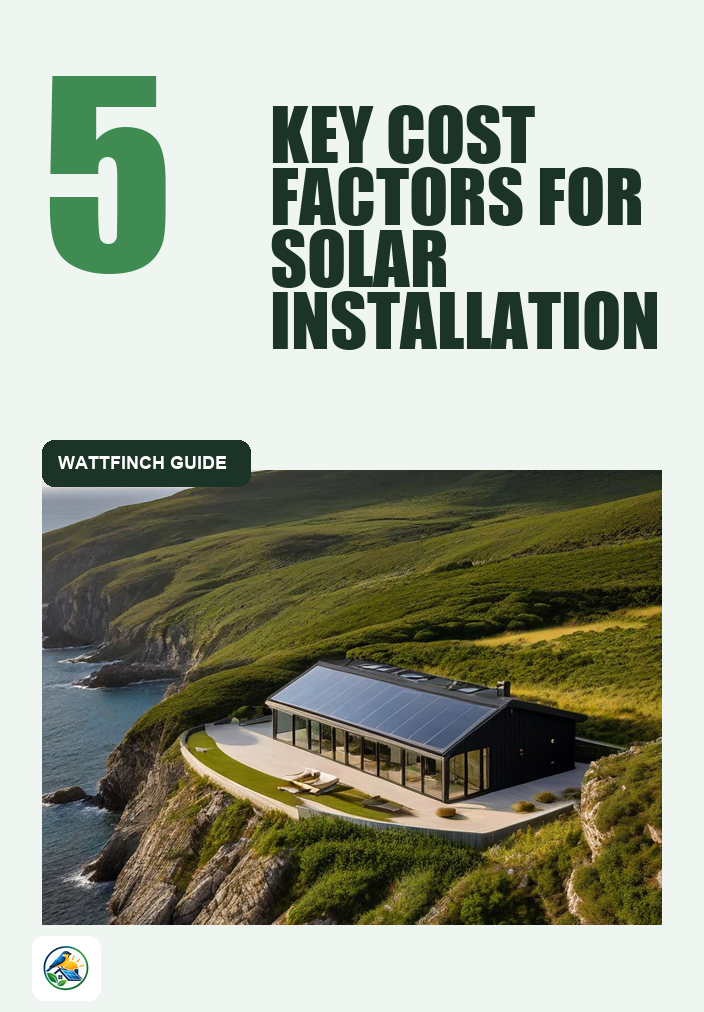
When evaluating the cost of a solar installation, many homeowners focus solely on the price of the solar panels and the inverter. However, several additional costs may not be immediately apparent. These hidden costs can significantly impact your budget and the overall value of your solar system.
1. Installation and Labor Costs
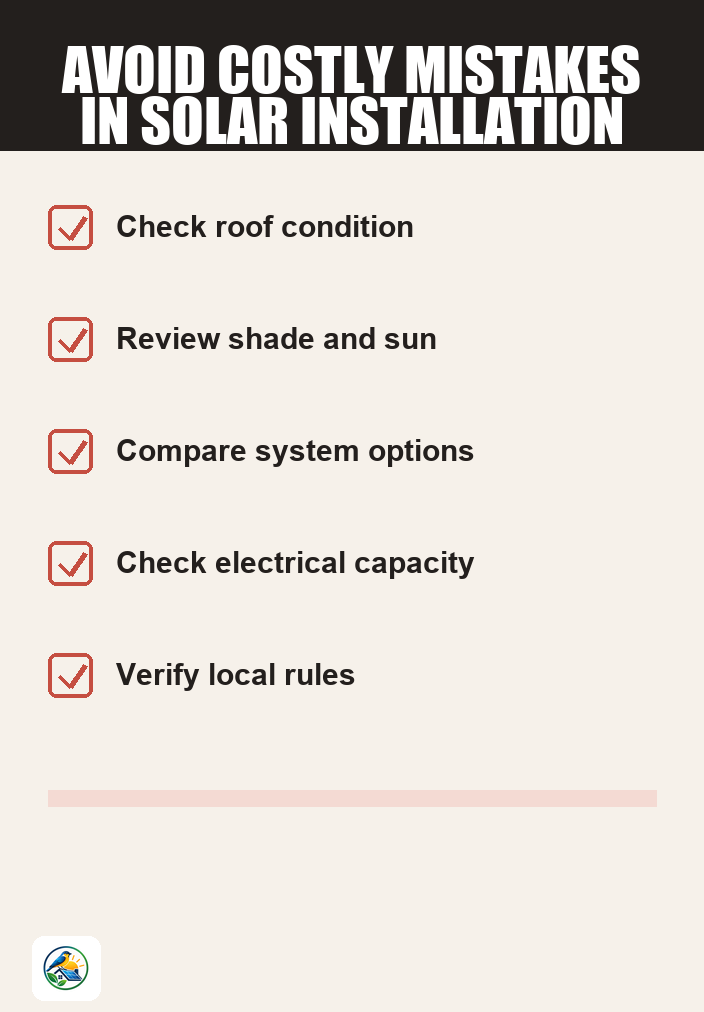
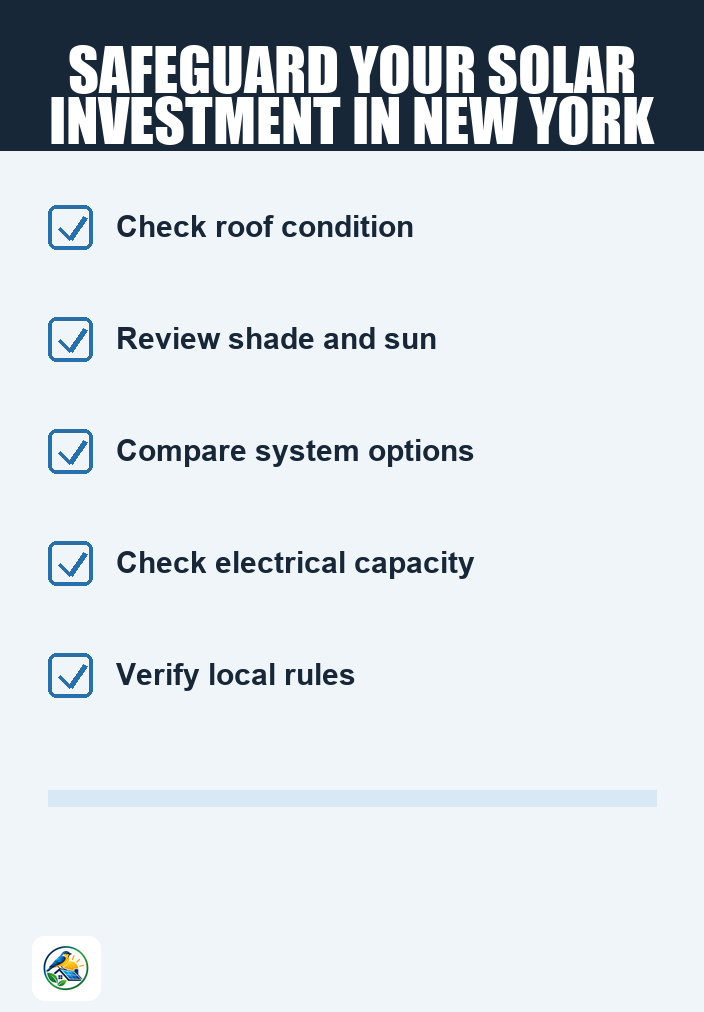
The installation process involves more than just mounting panels on your roof. Labor costs can vary widely based on the complexity of the installation, roof condition, and local labor rates. For instance, if your roof requires repairs or reinforcements before installation, these costs can add up quickly. Additionally, if your home has a complicated roof design or is located in a challenging area, labor costs may increase.
2. Permitting and Interconnection Fees
Before you can start generating solar energy, you’ll need to obtain the necessary permits from your local government and utility company. These fees can vary depending on your municipality and the specifics of your installation. It’s crucial to factor these costs into your overall budget. In Massachusetts, some towns may have specific regulations regarding solar installations, which could affect the permitting process and timelines.
3. Upgrades to Electrical Systems
Your current electrical system may need upgrades to accommodate solar panels. This can include updating your electrical panel or installing new wiring. If your home has an older electrical system, these upgrades may not only be necessary but also costly. An experienced installer can assess your system and provide you with an estimate for any required upgrades.
4. Roof Condition and Orientation
The condition and orientation of your roof play a significant role in the effectiveness of your solar installation. If your roof is older or in poor condition, it may need repairs or even replacement before installing solar panels. Moreover, the orientation of your roof can affect energy production. A roof that faces south typically generates more energy compared to one that faces east or west. If your roof is heavily shaded by trees or nearby structures, you may need to consider tree trimming or even the possibility of installing a ground-mounted system.
5. Maintenance and Repairs
While solar systems generally require minimal maintenance, they are not entirely maintenance-free. Periodic cleaning and inspections may be necessary to ensure optimal performance. Additionally, if any components of your system fail, such as the inverter or batteries, you may incur repair or replacement costs. It’s wise to set aside a budget for these potential expenses.
Incentives and Financing: Understanding Your Options
Massachusetts offers various incentives to help offset the costs of solar installation, including state tax credits, SRECs (Solar Renewable Energy Certificates), and federal tax credits. However, these incentives can change, so it’s crucial to verify current offerings before making decisions.
1. State and Federal Tax Credits
While federal tax credits can significantly reduce the upfront costs, it’s essential to confirm current percentages and eligibility requirements. State incentives may also be available, but these can vary widely based on your location and project specifics. Consulting a tax professional can help you navigate these options effectively.
2. Financing Options
There are several financing options available for solar installations, including solar loans, leases, and power purchase agreements (PPAs). Each option has its own cost structure and implications for ownership. For example, a loan allows you to own the system and receive all the associated benefits, while a lease or PPA might limit your financial return. Understanding these options can help you choose the most suitable financing method for your situation.
Evaluating Quotes: What to Look For
When comparing quotes from solar installers, ensure that you receive detailed, itemized estimates. This will help you identify hidden costs and understand the overall value of each proposal. Here are some key elements to consider:
- Cost Breakdown: Review line items for equipment, labor, permits, and any additional fees.
- System Size: Ensure that the proposed system size aligns with your energy needs.
- Warranties: Look for warranties on panels, inverters, and installation.
- Service Agreements: Check if maintenance or monitoring services are included.
- Incentives Applied: Verify if any state or federal incentives have been applied to the quoted price.
Practical Next Steps
Understanding the hidden costs of solar installation in Massachusetts requires careful consideration of various factors. As you navigate this process, here are some practical next steps:
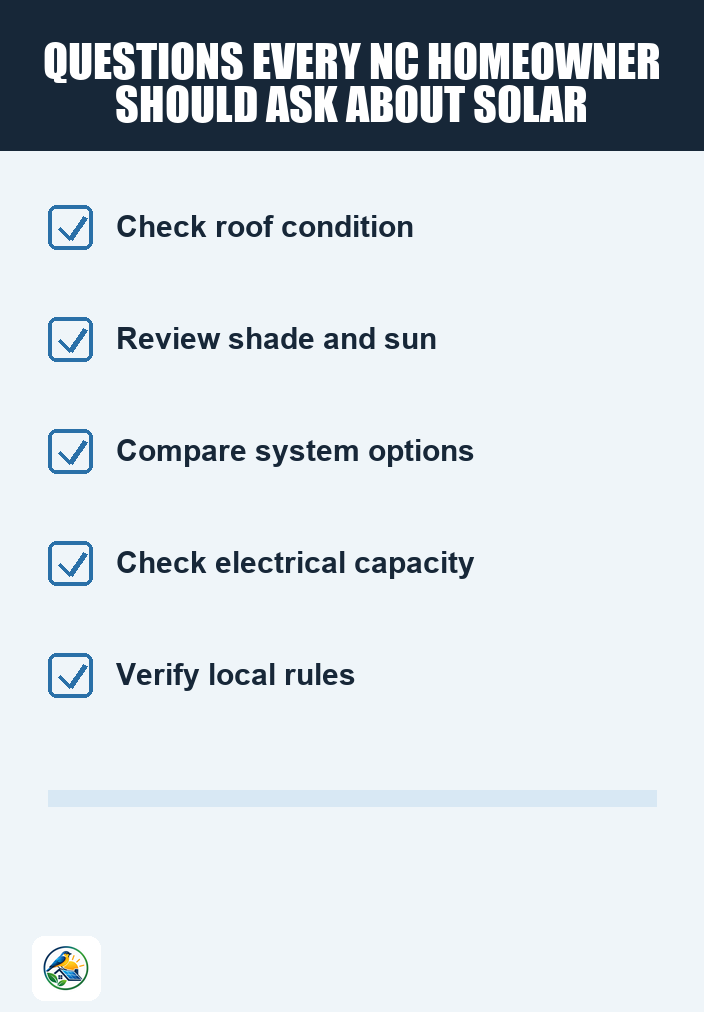
- Assess your home’s roof condition and energy needs.
- Research local installers and request itemized quotes.
- Verify current incentives and tax credits with a tax professional.
- Consider your financing options and choose the best fit for your budget.
By being informed about the hidden costs and taking proactive steps, you can make a more confident decision about whether solar installation is right for your home. Remember, consulting with a qualified solar installer can provide valuable insights tailored to your unique situation.