Understanding Your Solar Battery Backup Options
As power outages become more frequent due to extreme weather and aging infrastructure, many U.S. homeowners are contemplating solar battery backup systems to enhance their residential solar installations. This article outlines 11 essential preparations to consider before installing a solar battery backup system, ensuring you make informed decisions tailored to your unique situation.
1. Assess Your Energy Needs
Before diving into solar battery backup options, it’s crucial to evaluate your household’s energy consumption. Look at your monthly utility bills to understand your average usage. Take note of peak times when your energy demand is highest, such as evenings or when using multiple appliances.
Calculating Your Energy Needs
A simple way to estimate your power needs is to calculate your daily energy consumption in kilowatt-hours (kWh). This can be done by taking the wattage of your appliances, multiplying it by hours of usage, and summing these figures. Understanding your energy needs will help you determine the size of the battery system you may require.
2. Explore Battery Options
There are various types of battery technologies available, including lithium-ion and lead-acid. Each has its own advantages and disadvantages:
- Lithium-ion batteries: These are more efficient, have longer lifespans, and require less maintenance. However, they typically come with a higher upfront cost.
- Lead-acid batteries: Generally cheaper upfront but have shorter lifespans and require more maintenance. They are also less efficient in terms of energy storage.
Your choice will depend on your budget, energy needs, and how often you anticipate needing backup power.
3. Evaluate Your Roof and Solar System
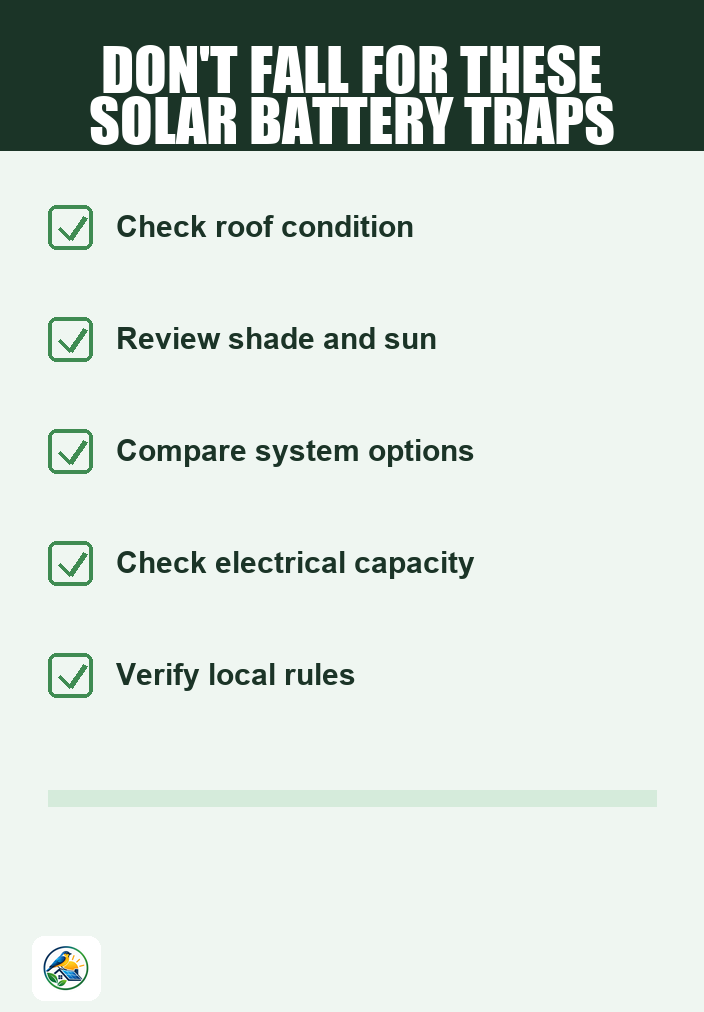
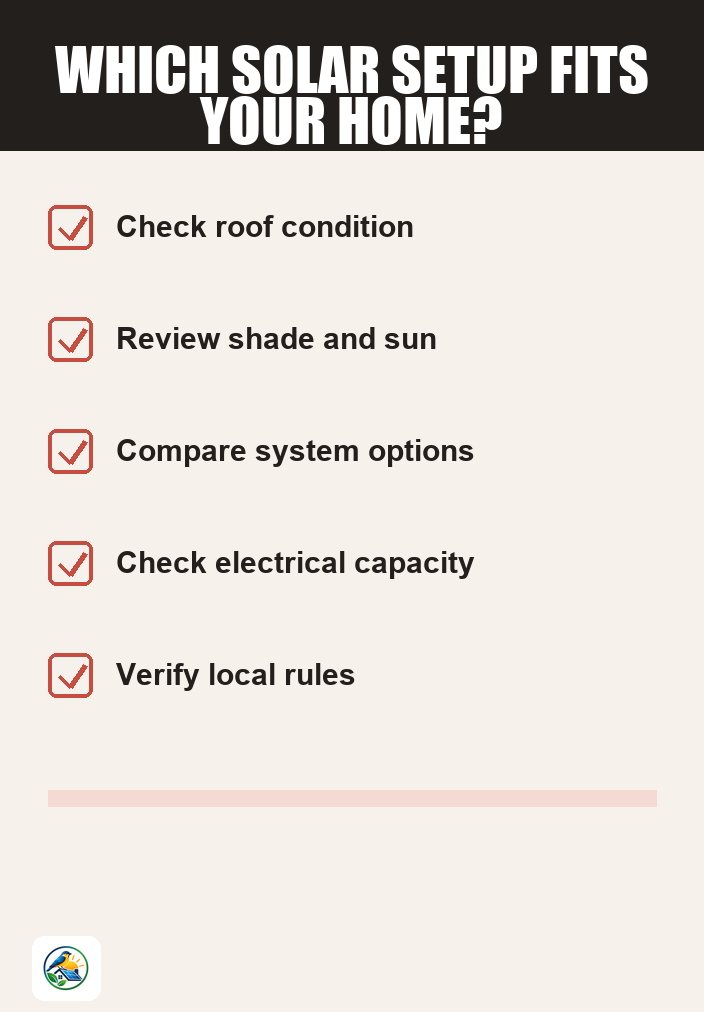
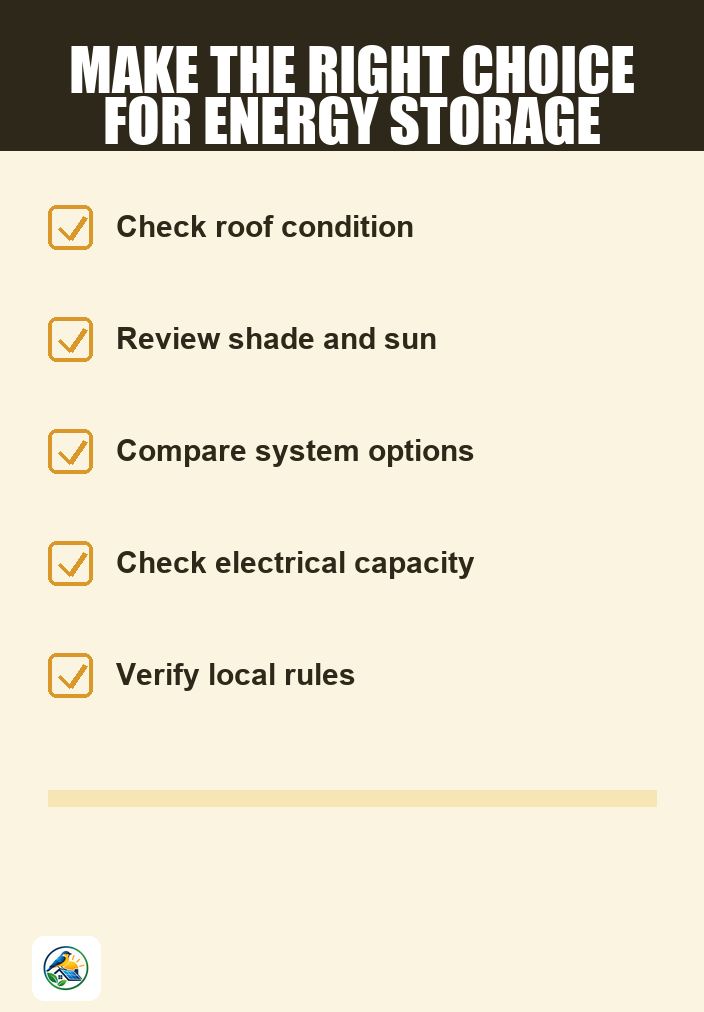
Assessing the condition of your roof is essential before installing solar panels and battery backups. Ensure it can support the weight of the system and that it’s in good condition. If your roof has significant wear or damage, consider repairs or replacement prior to installation.
Solar System Compatibility
It’s important to verify that your current solar panel system is compatible with battery storage. If you’re adding a battery backup to an existing system, ensure your inverter can handle the additional load.
4. Plan for Permitting and Regulations
Each municipality has its own permitting rules and regulations regarding solar installations and battery backups. Before moving forward, check local guidelines to understand what permits are necessary for your installation. This could involve zoning laws, building codes, and electrical codes.
5. Consider Your Utility’s Policies
Utility companies often have specific rules regarding how battery systems can interact with the grid. Some utilities offer net metering, while others may impose fees for grid connections. Understanding these policies will help you make an informed decision about your energy storage options.
6. Evaluate Backup Power Needs
Consider what you want to power during an outage. Is it essential lights and refrigeration, or are you looking to power your entire home? This decision will significantly influence the size of the battery system you need. Creating a priority list of essential devices can help you determine the necessary capacity.
7. Understand Sizing Concepts
Battery sizing can be complex. A general rule of thumb is that a battery should have at least one day’s worth of your energy consumption stored. However, for longer outages, you might want to consider larger capacity systems. Consulting with a professional installer can help clarify sizing based on your specific needs.
8. Factor in Maintenance and Lifespan
Solar batteries require regular maintenance to ensure optimal performance. Lithium-ion batteries typically last longer and require less maintenance than lead-acid batteries. Review manufacturer guidelines on maintenance schedules and expected lifespans to understand the commitment involved.
9. Budget for Installation Costs
The cost of installing a solar battery backup system can vary widely depending on the size of your battery, type of installation, and local labor rates. Be sure to get multiple quotes from qualified installers to compare costs and services. Look for itemized quotes that break down equipment, labor, and any additional fees.
10. Review Financing Options
Financing options for solar battery systems can differ significantly. Some homeowners opt for loans, while others may choose lease agreements or power purchase agreements (PPAs). Evaluate the terms of any financing options carefully, considering interest rates, repayment timelines, and how they fit into your overall budget.
11. Research Incentives and Tax Credits
Incentives for solar battery systems can greatly impact your overall investment. However, these incentives vary by state and locality and may change over time. Be sure to verify current programs available through local governments, state initiatives, or utility companies. It’s important to check for any federal tax credits that may apply as well.
Next Steps for Homeowners
Installing a solar battery backup system can significantly enhance your home’s energy resilience. Start by assessing your energy needs and exploring different battery options. It’s wise to consult with professional installers who can provide tailored quotes based on your specific situation. Comparing itemized quotes will allow you to make an informed choice about the best system for your home.
Take your time and do thorough research to ensure that the decisions you make today will serve you well in the future.