
Understanding the Risks of Installing Solar Panels on Shingle Roofs
Solar energy offers homeowners an appealing alternative to traditional electricity sources. However, when considering the installation of solar panels on shingle roofs, there are several key missteps that can lead to costly mistakes. Understanding these potential pitfalls can help you make informed decisions and ensure a successful installation process.
Common Missteps in Shingle Roof Solar Installations
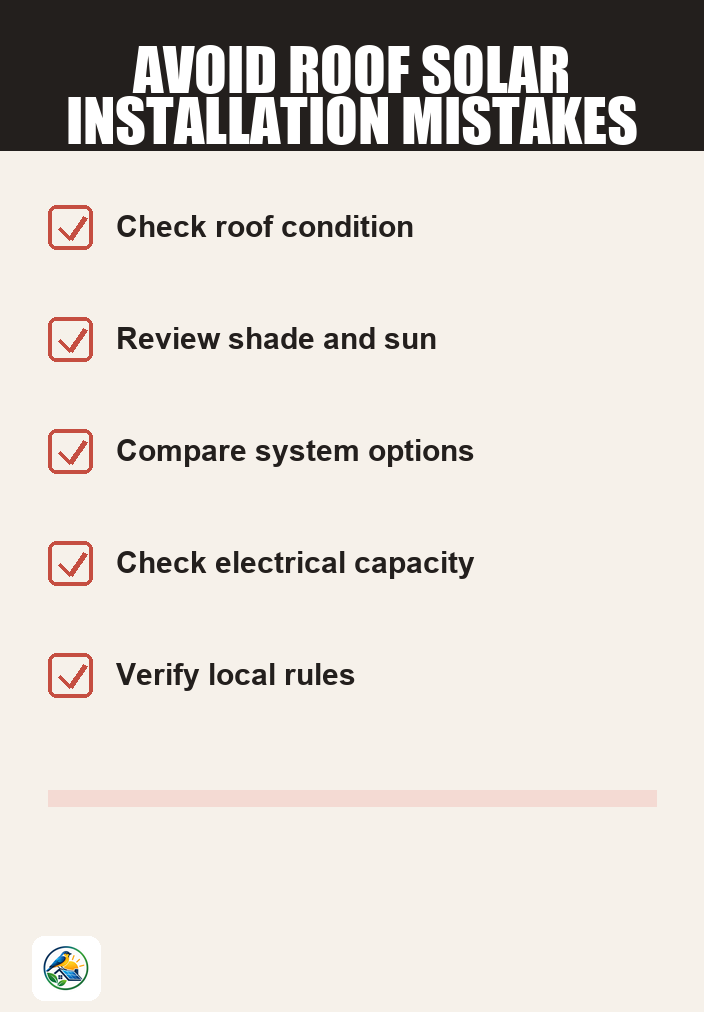
While solar panels can provide significant benefits, several factors can complicate their installation on shingle roofs. Here are some common missteps that can occur:
- Ignoring Roof Condition: Before installing solar panels, it’s crucial to assess the condition of your roof. If your roof is nearing the end of its lifespan, it may not be a wise investment to add solar panels. Repairing or replacing the roof after installation can complicate the process and potentially damage the solar system.
- Overlooking Roof Orientation and Pitch: The orientation and pitch of your roof can significantly impact the efficiency of solar panels. South-facing roofs generally capture the most sunlight, while shaded or north-facing roofs may yield suboptimal results. Installing panels without considering these factors can lead to disappointing energy production.
- Neglecting Local Weather Conditions: Different climates present unique challenges. In areas prone to heavy snow, ice, or high winds, it’s essential to consider how these elements can affect the installation and performance of solar panels. For instance, panels may need to be secured differently in regions with high winds.
- Failing to Account for Electrical System Upgrades: In some cases, the existing electrical system may not be adequate to handle the additional load from solar panels. Homeowners might need to upgrade their electrical panel, which adds to the overall cost and complexity of the project.
- Not Consulting with Professionals: Relying solely on DIY resources can lead to oversights. Consulting with professional installers can provide insights into the specific needs of your home and ensure that all local regulations and safety standards are met.
The Importance of Professional Assessment
A professional assessment is vital for identifying potential issues that may not be immediately apparent. Licensed solar installers have the experience and knowledge to evaluate your roof, assess local regulations, and provide tailored recommendations. Here’s what a professional installer typically considers:
- Roof Structure: An installer will examine the roof’s structural integrity to ensure it can support the weight of the solar panels.
- Shading Analysis: They will perform a shading analysis to determine how much sunlight your roof receives throughout the day and year.
- Permitting Requirements: Local permitting processes can vary widely. A professional installer will be familiar with the necessary permits and can help navigate this process.
- System Sizing: Determining the appropriate size of the solar system based on your energy needs is crucial. An installer will help you assess your energy consumption and recommend a system that meets your requirements without overcommitting financially.
Trade-offs and Considerations
When installing solar panels on shingle roofs, homeowners must weigh several trade-offs:
- Cost vs. Long-term Benefits: While the upfront costs of solar installation may seem high, consider the long-term benefits. However, it’s essential to understand that solar energy may not be the best financial decision for every household. Evaluate your specific situation carefully.
- Battery Storage Considerations: If you’re considering adding a home battery to your solar system, think about its suitability for your energy needs. Home batteries can provide backup power during outages but come with their own costs and maintenance requirements.
- Maintenance Needs: Solar panels typically require minimal maintenance, but it’s essential to keep them clean and free of debris. Homeowners should be prepared for occasional upkeep, especially in areas with heavy pollen or dust.
- Future Home Plans: Consider your long-term plans for your home. If you plan to move in the next few years, the investment in solar panels may not yield the desired return. Evaluate how long you intend to stay before committing to an installation.
Understanding Local Regulations and Incentives
Local regulations regarding solar panel installations can vary significantly. Homeowners should familiarize themselves with any relevant rules, including setback requirements, height restrictions, and local building codes. Additionally, incentives can influence the financial feasibility of solar installations but can change over time. Be sure to verify current local utility policies, government programs, and tax credits before making decisions.
Next Steps for Homeowners
If you’re considering solar panels for your shingle roof, take these steps to ensure a smooth installation process:
- Assess your roof’s condition and age before seeking quotes.
- Consult with multiple professional installers to obtain itemized quotes.
- Inquire about the expected lifespan of your roof and whether repairs or replacements are necessary.
- Discuss your energy needs and future plans with installers to ensure the system meets your requirements.
- Verify local regulations and available incentives before making any commitments.
By understanding the potential missteps associated with installing solar panels on shingle roofs, you can make more informed decisions that align with your home’s needs and your long-term goals. Solar energy is a promising solution, but it requires careful planning and consideration to maximize its benefits.


















