
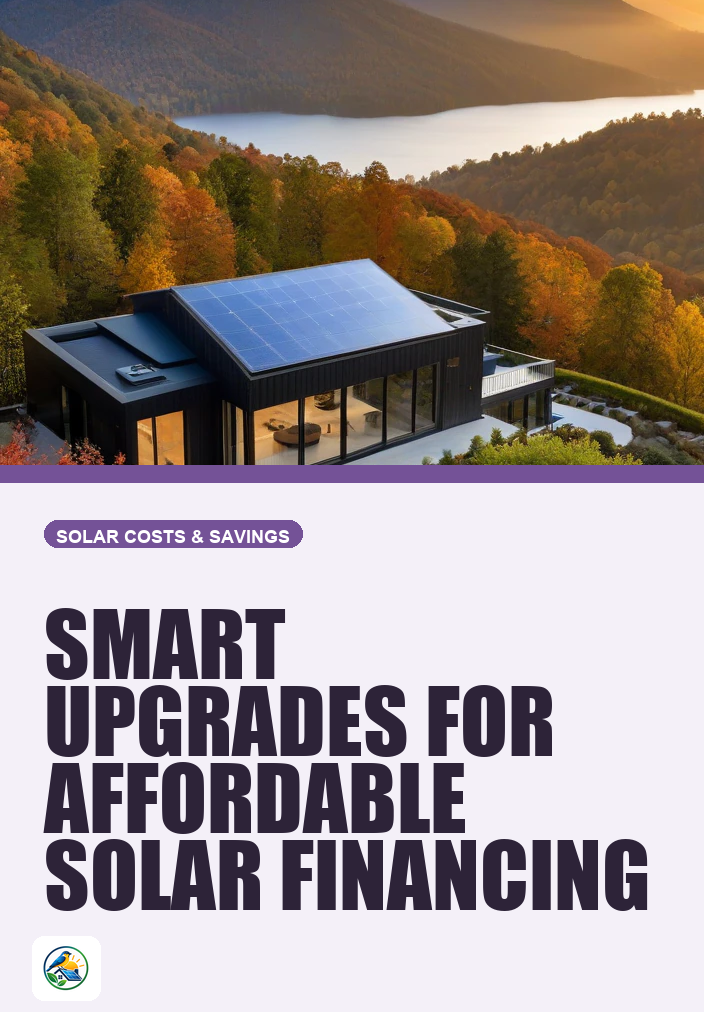
Understanding Electrical Upgrades for Solar Installation Financing
Considering solar energy for your home is a substantial decision that involves not just the solar panels themselves, but also the electrical system that supports them. When planning for a professionally installed rooftop solar system, homeowners should be aware of essential electrical upgrades that can enhance the efficiency and safety of their solar installation. These upgrades can also impact the financing options available to you, making it crucial to understand what steps to take before finalizing your solar project.
1. Upgrading the Electrical Panel
Your home’s electrical panel is crucial for managing the electricity that flows in and out of your home. If your panel is outdated or insufficient for your energy needs, it may struggle to handle the additional load from solar panels. Upgrading to a modern panel can improve safety and efficiency, and it is often a requirement for solar installations.
Considerations:
- Age of the panel: If your panel is over 20 years old, it may need an upgrade.
- Current capacity: Assess whether your panel can handle the increased demand from solar systems.
- Local codes: Consult with an installer to ensure compliance with local electrical codes.
2. Installing a Dedicated Circuit
In some cases, solar installations require a dedicated circuit to manage the energy produced by the panels. This helps in avoiding overload and ensures that your solar energy system operates smoothly.
Benefits:
- Increased safety: Reduces the risk of circuit overloads.
- Improved performance: Ensures that your solar system functions effectively.
3. Upgrading Wiring and Conduits
The wiring and conduits that connect your solar panels to your electrical system are fundamental to the setup. Older wiring may not be compatible with modern solar technology and could pose safety hazards.
Key Points:
- Assess existing wiring: Check for frayed or outdated wiring that may not support a new solar array.
- Consider conduit size: Larger conduits may be necessary to accommodate the new wiring.
4. Evaluating Roof Condition
Before installing solar panels, it’s vital to ensure that your roof can support them. An aging or damaged roof may require repairs or even replacement, which can add to your overall costs.
What to Check:
- Structural integrity: Look for any signs of wear, such as sagging or leaks.
- Material compatibility: Different roofing materials may impact installation methods.
5. Considering Battery Backup Systems
If you are interested in enhancing your solar setup with a battery backup system, this is another area where electrical upgrades may be necessary. A battery system can help you store excess energy for use during outages or at night.
Factors to Consider:
- Energy needs: Determine how much backup power you may require.
- Space requirements: Ensure you have adequate space for the battery storage system.
6. Evaluating the Inverter Type
The inverter is a critical component of any solar energy system, converting the direct current (DC) produced by solar panels into alternating current (AC) for home use. Depending on your energy needs and preferences, you may consider upgrading your inverter.
Options Available:
- String inverters: Cost-effective for straightforward systems but less efficient in shaded areas.
- Microinverters: Allow for individual panel optimization but may come at a higher price.
7. Reviewing Local Building Codes and Permitting
Each municipality has its own set of building codes and permitting requirements that can affect your solar installation. It’s essential to be informed about these regulations to avoid delays and additional costs.
Steps to Take:
- Consult local authorities: Verify what is required for solar installations in your area.
- Work with your installer: A qualified installer will help navigate the permitting process.
8. Planning for Future Upgrades
As your energy needs change, you may want to expand your solar system or add additional electrical features. Planning for these future upgrades can save you time and money down the line.
Considerations for Future Proofing:
- Space for additional panels: Ensure your roof or property can accommodate future expansions.
- Flexible electrical infrastructure: Design your electrical system with potential future solar needs in mind.
Next Steps: Getting Quotes and Making Informed Decisions
As you consider these essential electrical upgrades, it’s crucial to obtain itemized quotes from qualified solar installers. These quotes should reflect the specific needs and conditions of your home. Comparing these estimates will help you understand the financial implications of your solar project and guide you in making informed decisions.
Remember, while solar energy can be beneficial, it’s not a one-size-fits-all solution. Carefully assess your unique situation, including any necessary electrical upgrades, to determine if solar is the right choice for your home.


















