Understanding Your Energy Needs: Solar Batteries vs. Generators
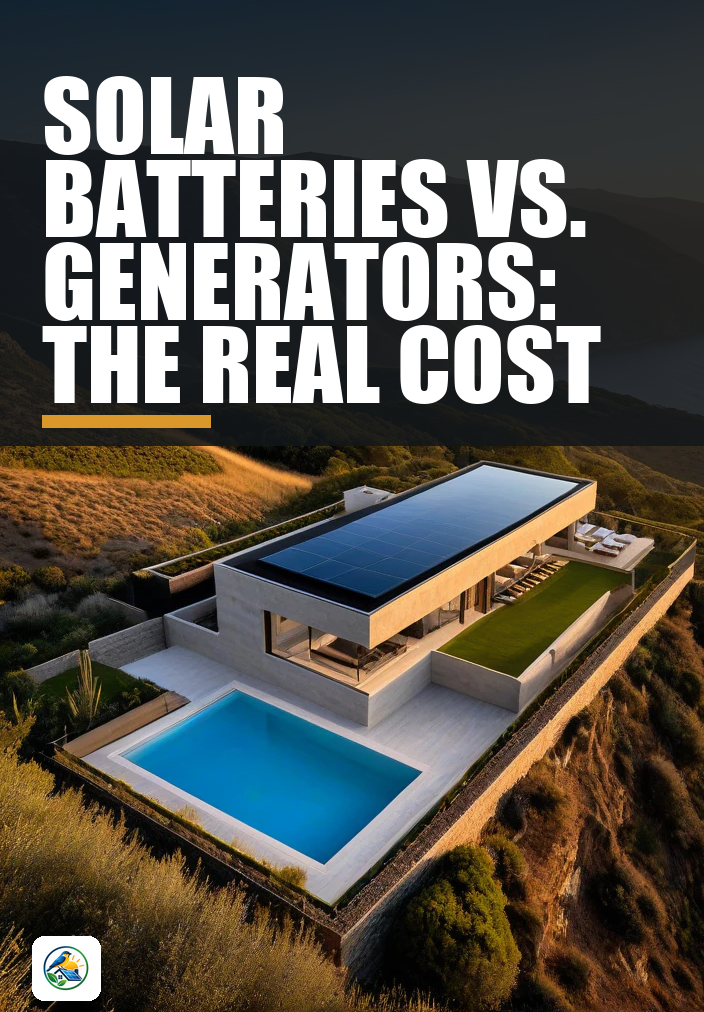
As a U.S. homeowner considering a residential rooftop solar system, you may be weighing the options of integrating solar batteries or opting for traditional generators to meet your energy needs. Both solutions have their unique advantages and shortcomings, and understanding the cost factors associated with each can help you make an informed decision.
Cost Overview: Solar Batteries vs. Generators
At the outset, it’s important to recognize that the costs of solar batteries and generators can vary considerably based on several factors, including your location, energy consumption, and the specific systems you’re considering. Here’s a broad comparison to help clarify the financial aspects of each option.
Initial Investment
- Solar Batteries: The initial cost of a solar battery can be significant. Homeowners typically face costs for the battery unit itself, installation, and any necessary electrical upgrades. Prices for batteries can fluctuate widely, so obtaining accurate quotes is essential.
- Generators: Generators can be more affordable upfront, especially if you consider portable models. However, standby generators—which can automatically turn on during outages—tend to have higher installation costs. You’ll also need to account for fuel costs and maintenance over time.
Ongoing Costs
- Solar Batteries: Once installed, solar batteries can incur lower ongoing costs. They typically require minimal maintenance and do not rely on fuel. However, the lifespan of batteries can vary, and eventual replacement costs should be factored in.
- Generators: While generators may have lower initial costs, ongoing expenses can add up due to fuel requirements, maintenance, and potential repairs. Regular servicing is also necessary to ensure reliability.
Evaluating Energy Needs and Usage Patterns
Understanding your energy consumption is crucial in deciding whether a solar battery or generator best suits your home. Consider the following:
- Daily Energy Usage: Evaluate your average daily electricity consumption. A solar battery system can store excess solar energy generated during the day for use during the night or during power outages. This is particularly beneficial for homes with high daytime energy usage.
- Backup Duration: Determine how long you need backup power. Generators can provide power for extended periods, as long as fuel is available, while batteries have a limited storage capacity.
- Critical Loads: Identify which appliances are essential during a power outage. Solar batteries can be sized to power critical loads, such as refrigerators and medical equipment, while generators can handle larger loads if properly sized.
System Types: Grid-Tied vs. Off-Grid
Your choice between solar batteries and generators is also influenced by whether you opt for a grid-tied or off-grid system:
- Grid-Tied Solar Systems with Batteries: These systems allow you to store excess energy generated from your solar panels. They can provide backup during outages but are dependent on the grid for charging, which means they won’t work during a grid failure unless equipped with specific safety features.
- Off-Grid Systems: If you choose to go completely off-grid, a solar battery system becomes essential. Generators can still be part of this setup, but you would need to ensure that your battery storage is sufficient to meet your energy needs.
Pros and Cons of Each Option
Solar Batteries
- Pros:
- Environmentally friendly, utilizing renewable energy.
- Low ongoing maintenance costs.
- Potential to store energy for later use, reducing reliance on the grid.
- Cons:
- Higher initial investment compared to generators.
- Limited lifespan, requiring eventual replacement.
- Performance can be affected by temperature extremes.
Generators
- Pros:
- Lower initial cost for portable options.
- Can provide immediate power during outages.
- Longer run times if fuel is available.
- Cons:
- Ongoing fuel and maintenance costs.
- Environmental impact from fossil fuel use.
- Noise and emissions can be a nuisance.
Permitting and Installation Considerations
Before making a final decision, be aware of the permitting and installation processes:
- Solar Batteries: Installation often requires obtaining permits and ensuring compliance with local regulations. A qualified installer can assist you in navigating these requirements.
- Generators: Depending on your location, generators may also require permits, especially if they are permanently installed. Local codes may dictate placement, noise levels, and fuel storage requirements.
When to Seek Professional Installer Quotes
Given the complexities involved in both solar battery and generator installations, seeking quotes from qualified installers is a practical next step. A professional can assess your specific energy needs, evaluate your property, and provide detailed itemized quotes for both options. This will help clarify the costs and benefits based on your unique situation.
Next Steps: Making an Informed Decision
Ultimately, the choice between solar batteries and generators will depend on your individual energy needs, budget, and preferences. As you evaluate your options:
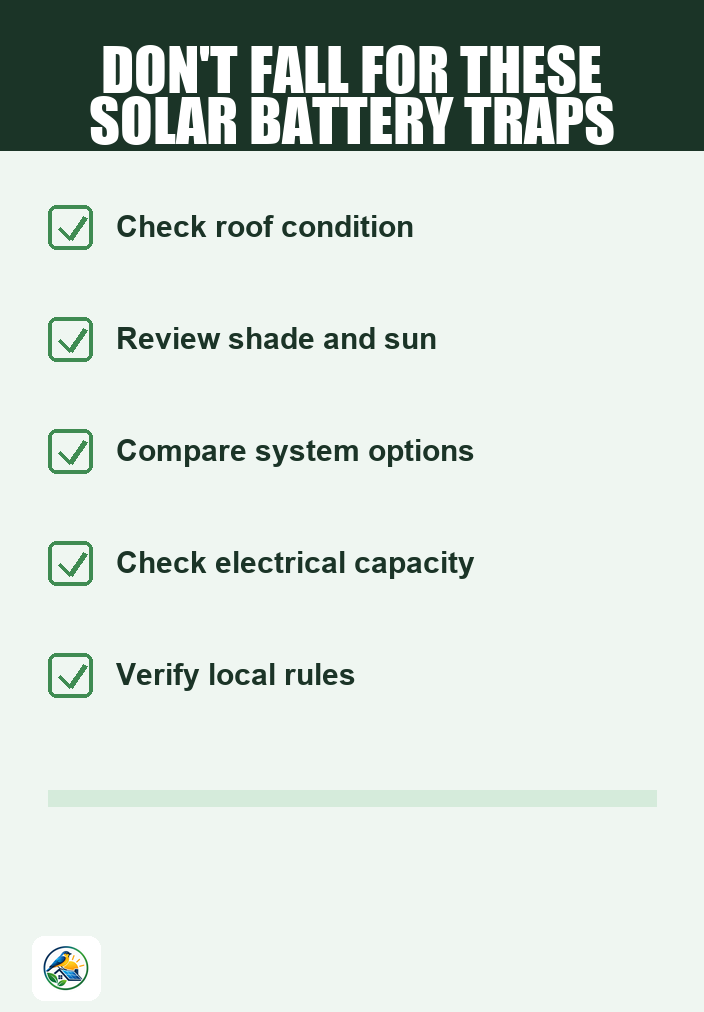
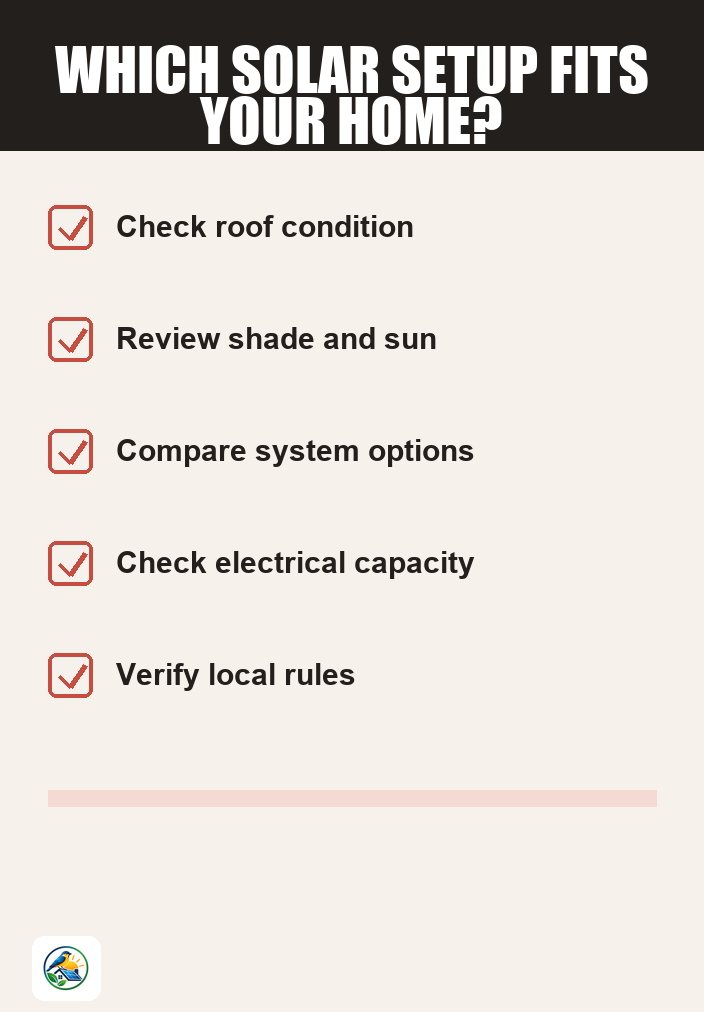
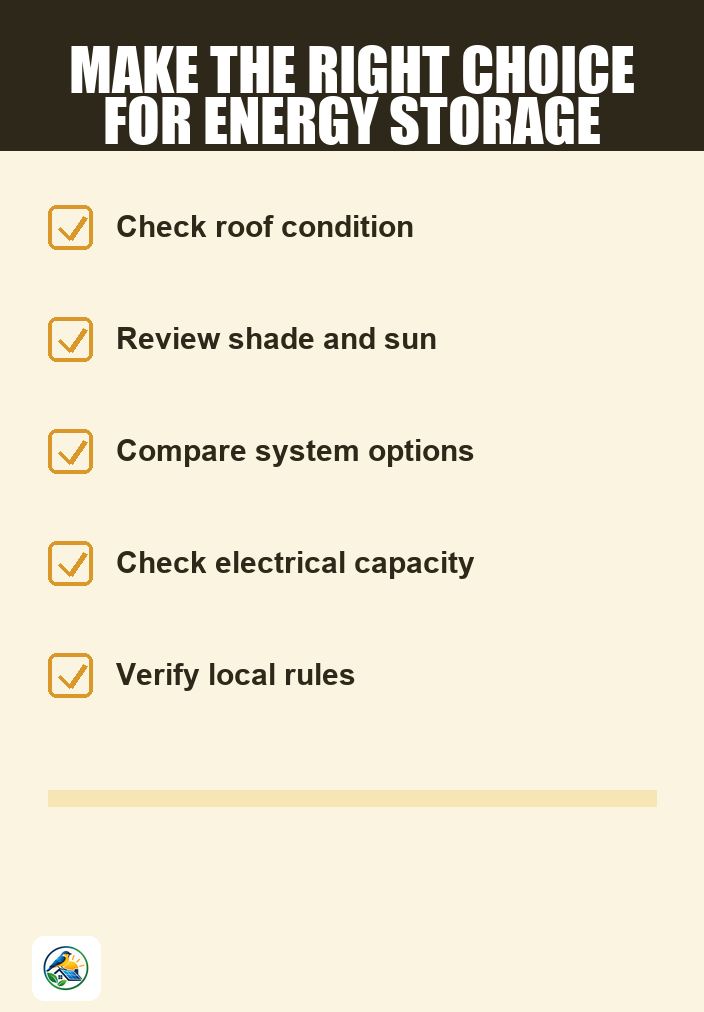
- Assess your energy consumption patterns.
- Consider the initial and ongoing costs of each option.
- Research local regulations and permitting requirements.
- Consult with qualified installers to obtain accurate quotes and recommendations.
By taking these steps, you’ll be better equipped to choose the right energy solution for your home, ensuring reliability and peace of mind for your family’s energy needs.