
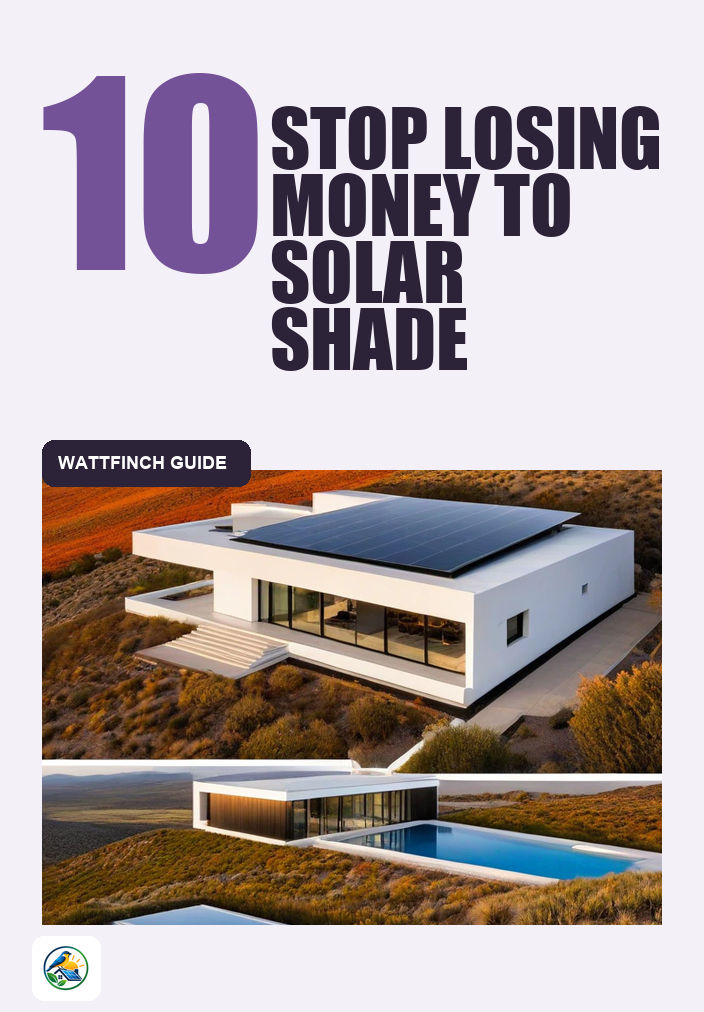
Understanding Shade and Its Impact on Solar Panel Efficiency
When considering a rooftop solar system, one of the most critical factors homeowners must evaluate is the placement of solar panels in relation to shade. Shade can significantly reduce the efficiency of solar panels, which in turn affects energy production and potential savings. Therefore, optimizing solar panel placement to minimize shade is essential for maximizing the benefits of your investment.
Identifying Sources of Shade
Shade can come from various sources around your home, including:
- Nearby Trees: Large trees can cast significant shadows, especially during specific times of the day.
- Buildings: Neighboring structures or even parts of your own home can obstruct sunlight.
- Chimneys and Vent Pipes: These can create localized shading, particularly if they are on the same side as your solar panels.
- Seasonal Changes: Remember that the position of the sun changes with the seasons, affecting how and when shading occurs.
Evaluating Your Roof Orientation and Pitch
The orientation and pitch of your roof play a vital role in how much sunlight your solar panels will receive. Ideally, solar panels should face true south in the Northern Hemisphere to capture the most sunlight throughout the day. However, roofs come in various orientations:
- South-Facing Roofs: Typically ideal for solar installations.
- East or West-Facing Roofs: These can still be effective but may produce less energy during peak hours.
- North-Facing Roofs: Generally the least effective for solar energy production.
In addition to orientation, the pitch of your roof can affect shading as well. A steeper pitch may allow for better sunlight exposure but can complicate installation and maintenance.
Evaluating Your Property for Optimal Solar Panel Placement
Before proceeding with your solar installation, it’s essential to conduct a thorough evaluation of your property. Here are some practical steps to help guide your assessment:
- Assess Your Trees: Identify and evaluate the height and proximity of any trees that may cast shade on your roof. Consider whether trimming or removing trees may be a feasible option.
- Inspect Your Roof: Check for any obstructions like chimneys or vents that could cause shading. Also, evaluate the condition of your roof and whether it requires repairs or replacement before installing solar panels.
- Use Solar Pathfinders or Apps: Consider using tools to assess sunlight exposure at different times of the day and throughout the year. These tools can help visualize how shade will affect your panels.
Considering Technology Options to Mitigate Shade Impact
Even with optimal placement, some shading may still occur. Homeowners can consider various technologies to mitigate the impact:
- Microinverters: These devices convert the direct current (DC) produced by solar panels into alternating current (AC) at the panel level. If one panel is shaded, it won’t affect the performance of the others.
- Power Optimizers: Similar to microinverters, power optimizers are attached to individual panels to maximize energy production, even when some panels are shaded.
- Bypass Diodes: Many solar panels come equipped with bypass diodes that allow electricity to bypass shaded sections, reducing the overall loss of energy.
Evaluating Potential Trade-offs
While optimizing for sunlight is essential, homeowners should also consider trade-offs. Here are some factors to keep in mind:
- Installation Costs: Advanced technologies like microinverters may increase upfront costs.
- Roof Condition: If your roof needs repairs or replacement, this can add to the total cost and time of the installation.
- Local Regulations: Check local regulations regarding tree removal or modifications that might be necessary for optimal solar performance.
Working with Professional Installers
Engaging with a professional solar installer can provide valuable insights tailored to your specific situation. A qualified installer will assess your property, recommend the best solar technologies, and help you navigate permitting and local utility rules. Here’s what to expect:
- Site Evaluation: Most installers will conduct a thorough evaluation of your roof and property.
- Customized Design: Based on your home’s unique characteristics, they will propose a customized solar design aimed at maximizing energy production.
- Itemized Quotes: A good installer will provide a detailed quote that outlines costs, technologies, and any necessary upgrades.
Next Steps for Homeowners
Before making a decision about solar, take the time to assess your property for shade and roof conditions. Consider the implications of technology options and engage with multiple qualified installers to obtain itemized quotes. Comparing these quotes will help you make an informed decision that aligns with your energy goals and budget. Remember to verify any current local incentives or regulations that may affect your installation.


















