Understanding Your Solar Installation Journey in California
As a homeowner in California considering solar energy, you’re likely aware that solar installations can provide significant benefits. However, embarking on this journey requires careful planning and consideration to avoid costly errors. This article aims to guide you through common pitfalls and essential factors to consider during your solar installation process.
Identifying Your Home’s Solar Suitability
Before diving into the installation process, it’s crucial to evaluate whether your home is suitable for a solar system.
Assessing Roof Condition
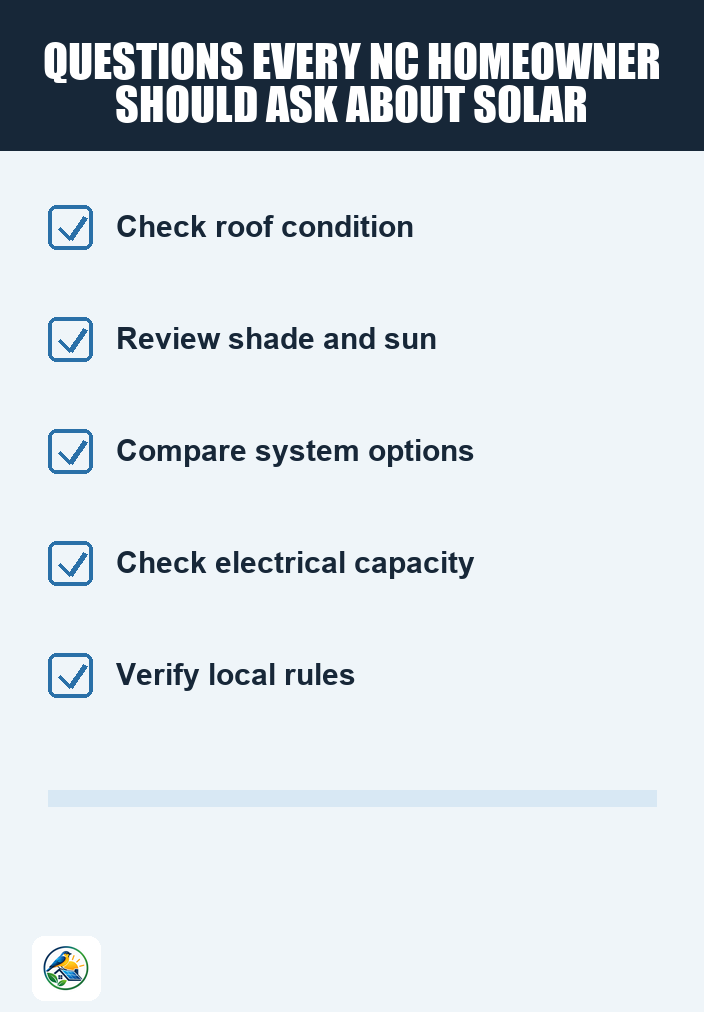
Your roof’s condition plays a vital role in determining whether you should install solar panels. A roof that requires repairs or replacement within the next few years may not be a good candidate for solar. Addressing roofing issues before installation can save you from additional costs and complications later.
Evaluating Roof Orientation and Shade
The orientation of your roof can significantly impact the efficiency of your solar system. South-facing roofs typically receive the most sunlight throughout the day, making them ideal for solar panels. If your roof is shaded by trees, nearby buildings, or other structures, this could lead to reduced energy production.
Understanding System Types and Options
Not all solar systems are created equal. Understanding the different types available can help you make informed decisions.
Grid-Tied vs. Off-Grid Systems
- Grid-Tied Systems: These systems are connected to the local utility grid, allowing you to send excess energy back to the grid and draw power when solar production is low.
- Off-Grid Systems: These systems operate independently from the grid, relying on battery storage to supply power during outages or low production periods. Off-grid systems are often more expensive and require careful planning.
Incorporating Battery Storage
Homeowners may also consider adding a battery storage system to their solar setup. Batteries allow you to store excess energy produced during the day for use at night or during cloudy weather. While batteries offer more energy independence, they come with additional costs and maintenance considerations.
Evaluating Installation Costs and Financing Options
The cost of solar installation can vary widely, depending on several factors, including system size, equipment choices, and installation complexity. Here’s what to consider:
Itemized Quotes
Always request itemized quotes from multiple qualified installers. This will help you understand the breakdown of costs, including:
- Equipment costs (panels, inverters, batteries)
- Installation labor
- Permitting fees
- Potential maintenance costs
Financing Options
Explore various financing options available to you, including:
- Cash Purchase: Paying upfront can yield the best savings over time.
- Solar Loans: Many lenders offer loans specifically for solar installations. Ensure you understand the interest rates and terms.
- Leases and Power Purchase Agreements (PPAs): These allow you to install solar panels with little or no upfront cost, but they often come with monthly payments and may limit your savings.
Understanding Local Regulations and Incentives
California has various regulations and incentives that can impact your solar installation.
Permitting and Interconnection
Before installation, you will need to secure the necessary permits from your local municipality. This process can vary significantly, so it’s advisable to check local requirements early in your planning. Additionally, interconnection rules dictate how your system connects to the grid, which is critical for grid-tied installations.
Incentives and Tax Credits
California homeowners should also be aware of available incentives, such as the federal solar tax credit and state-specific programs. However, these incentives can change, so it’s essential to independently verify current offerings with local utility companies or tax professionals.
Choosing the Right Installer
A reliable installer can make or break your solar experience. Here are some tips for selecting the right contractor:
- Research Credentials: Look for installers with appropriate licenses, certifications, and experience in the California market.
- Read Reviews: Customer testimonials can provide insight into the quality of service and workmanship.
- Ask for References: A reputable installer should be willing to provide references from previous clients.
Planning for Maintenance and Future Needs
Once your solar system is installed, it requires ongoing maintenance to ensure optimal performance. Regularly inspect your panels for debris or damage and monitor their output. Additionally, consider your future energy needs. If you plan to expand your home or increase energy consumption, make sure your solar system can accommodate these changes.
Practical Next Steps
As you embark on your solar installation journey, remember to:
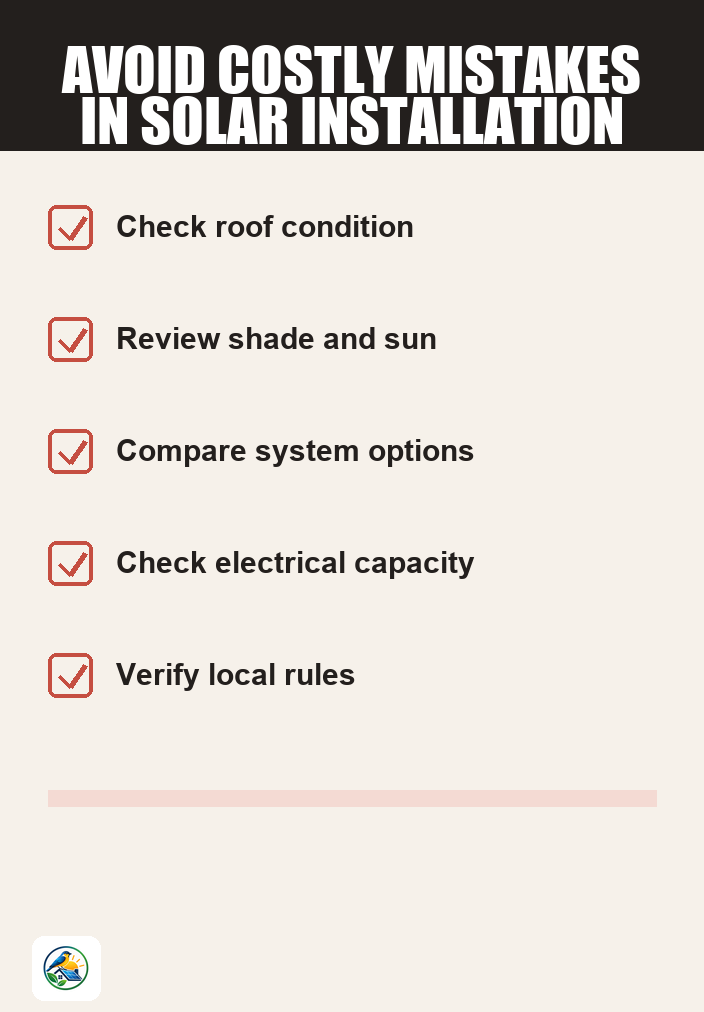
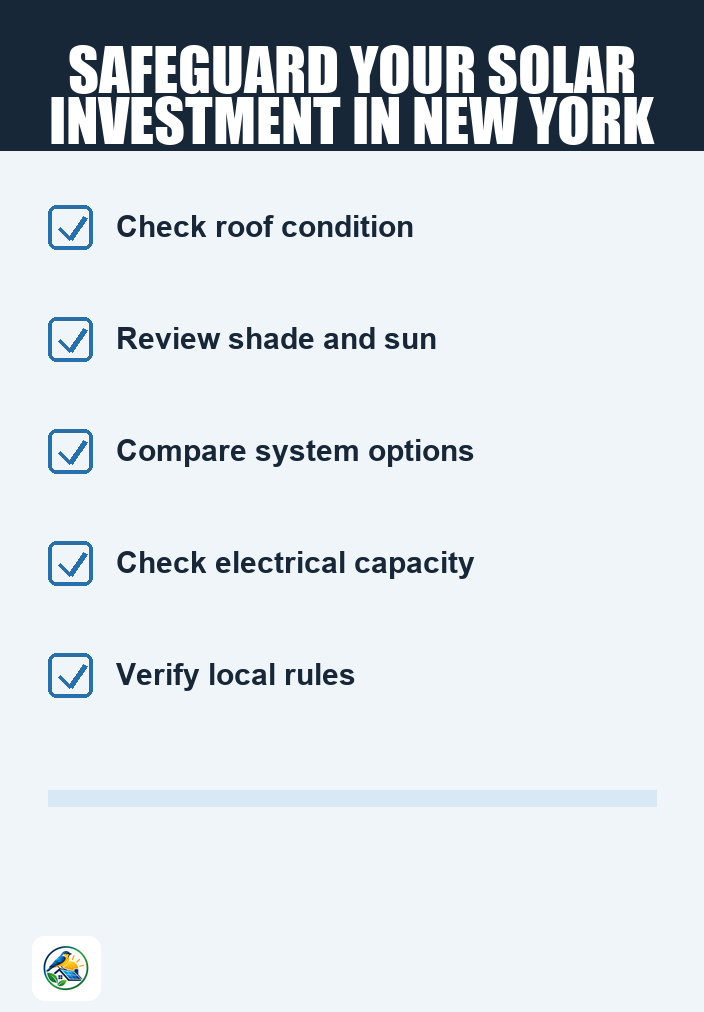
- Assess your roof’s condition, orientation, and shading to determine suitability.
- Research different system types and decide if battery storage is right for you.
- Request itemized quotes from multiple installers to understand costs.
- Verify current regulations and incentives in your area.
- Choose a qualified installer based on research and references.
By taking these steps, you can avoid costly errors and ensure a smoother transition to solar energy. Always remember, solar energy isn’t a one-size-fits-all solution, and it’s essential to tailor your approach based on your unique circumstances.