
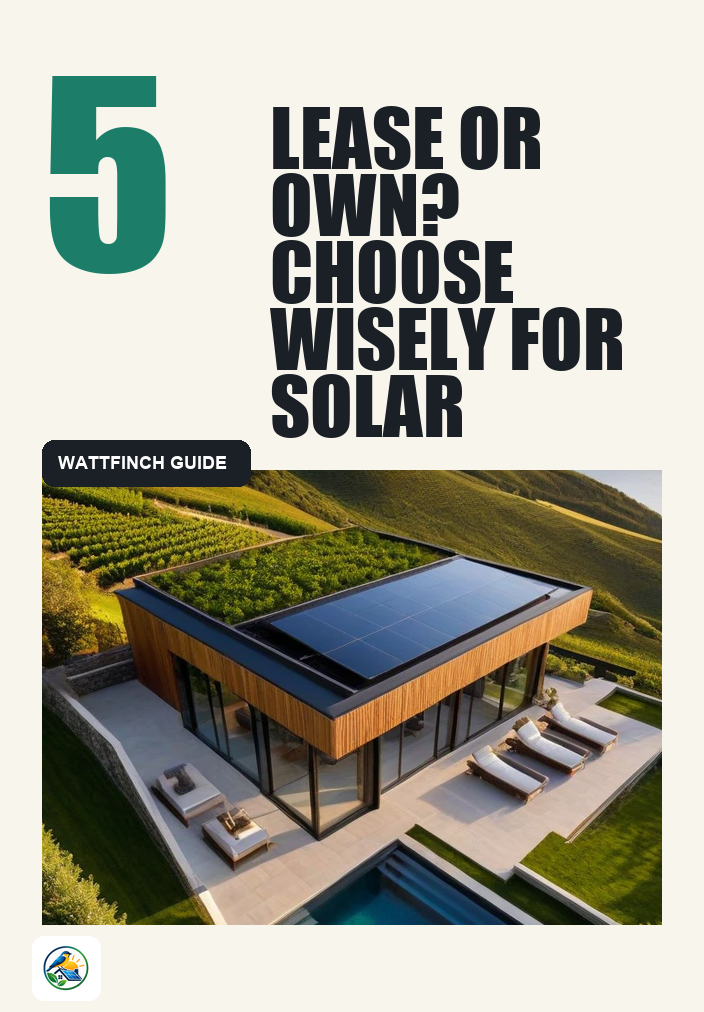
Understanding Solar Leases vs. Owned Panels
When considering a residential rooftop solar system, one of the most significant decisions homeowners face is whether to lease the solar panels or purchase them outright. Each option has distinct advantages and drawbacks that can affect your financial situation, sense of ownership, and long-term energy strategy. Understanding these differences is crucial to making an informed decision that aligns with your home’s needs and your financial goals.
What is a Solar Lease?
A solar lease allows you to use solar panels installed on your roof without taking ownership of the system. You pay a fixed monthly fee to the leasing company for the use of the panels, and they handle maintenance and monitoring. This option can be appealing for homeowners who prefer a low upfront cost and do not want to deal with the responsibilities of ownership.
Advantages of Solar Leasing
- Low Initial Cost: Typically, there is little to no upfront payment required.
- No Maintenance Hassles: The leasing company is responsible for maintaining and monitoring the system.
- Predictable Payments: Fixed monthly payments can make budgeting easier.
Drawbacks of Solar Leasing
- Limited Financial Benefits: You may miss out on tax credits and incentives, as the leasing company usually retains these benefits.
- Contractual Obligations: You are locked into a long-term lease, which may complicate selling your home.
- Less Control: You may have limited flexibility in terms of system upgrades or changes.
The Case for Owned Solar Panels
Owning your solar panels means you pay for the system upfront or finance it through a loan. Once the system is installed and paid off, you can benefit from reduced or eliminated electricity bills and potential tax incentives.
Advantages of Owning Solar Panels
- Long-Term Savings: Once paid off, your energy costs can significantly decrease.
- Tax Incentives: You may qualify for federal and state tax credits, which can reduce your overall investment.
- Increased Home Value: Owned solar systems can increase your property value.
Drawbacks of Owning Solar Panels
- Higher Upfront Costs: The initial investment can be substantial, even with financing options.
- Maintenance Responsibility: Homeowners are responsible for the upkeep and any repairs of the system.
- Longer Payback Period: It may take several years to recoup your investment through energy savings.
Key Considerations Before Installation
Deciding between a solar lease and owning your solar panels involves evaluating several factors unique to your home and financial situation. Here are some key considerations to keep in mind:
1. Financial Situation
Assess your current financial condition. Do you have enough savings to cover the upfront cost of a purchase? If not, are you comfortable with the monthly lease payments? Understanding your budget is critical.
2. Roof Condition and Suitability
Your roof’s condition, age, and orientation can significantly impact the efficiency of a solar system. Make sure your roof is in good shape and can support the panels. A professional installer can help evaluate these factors.
3. Incentives and Tax Credits
Research the available federal, state, and local incentives that could affect your decision. These incentives can vary widely and may impact the overall cost of ownership. Always verify the current offerings, as they can change.
4. Future Plans
Consider your long-term plans for your home. If you plan to sell in a few years, a leasing agreement might complicate the sale. Owning the solar panels could make it easier to sell, as potential buyers may see added value.
5. Utility Policies and Net Metering
Understand your local utility’s policies regarding net metering and energy credits. These can affect your savings and the performance of your solar system. Policymaking can differ significantly based on your state or municipality.
Comparing Quotes from Installers
Once you have a clearer understanding of your options, it’s time to gather quotes from qualified solar installers. When requesting quotes, ensure they are itemized and include all costs, such as installation, maintenance, and any potential financing options. This will help you make a more informed comparison between leasing and owning.
Additionally, ask potential installers about their experience, warranties, and customer service policies. A reputable installer should be willing to answer all your questions and help you understand the systems available to you.
Practical Next Steps
As you navigate your solar options, take the following practical steps:
- Assess your financial situation and determine your budget for solar.
- Evaluate your roof condition and suitability for solar panels.
- Research local incentives and verify current offerings.
- Consider your long-term plans for your home.
- Gather itemized quotes from multiple qualified solar installers.
By carefully weighing these considerations and options, you can make an informed decision about whether a solar lease or owning solar panels is the best fit for your home. Remember, the right choice for one homeowner may not be the best for another, so take the time to evaluate your unique situation before making a commitment.


















