Understanding the Cost-Effectiveness of Solar Installation in New Jersey
As homeowners in New Jersey weigh their energy options, many are curious about the cost-effectiveness of installing solar panels compared to relying on traditional energy sources. While solar energy presents a viable alternative, the financial implications can vary widely based on several factors, including installation costs, energy consumption patterns, and local utility rates. This article will explore these elements to help you make an informed decision about whether solar is a suitable choice for your home.
Solar Energy vs. Traditional Energy: An Overview
Traditional energy sources, primarily fossil fuels, have long been the backbone of residential energy consumption. In contrast, solar energy harnesses sunlight to generate electricity, providing a renewable and sustainable alternative. The key to understanding the cost-effectiveness of solar in New Jersey lies in comparing the ongoing costs of traditional energy against the upfront and long-term expenses of solar installation.
Initial Costs of Solar Installation
The initial costs of installing solar panels can be significant. Homeowners must consider the following:
- Equipment and Installation: The price of solar panels, inverters, and installation services can vary widely. Factors affecting this include the size of the system, the type of equipment chosen, and the complexity of the installation.
- Permitting and Interconnection: New Jersey has specific permitting processes and interconnection requirements with utility companies, which can add to the installation timeline and costs.
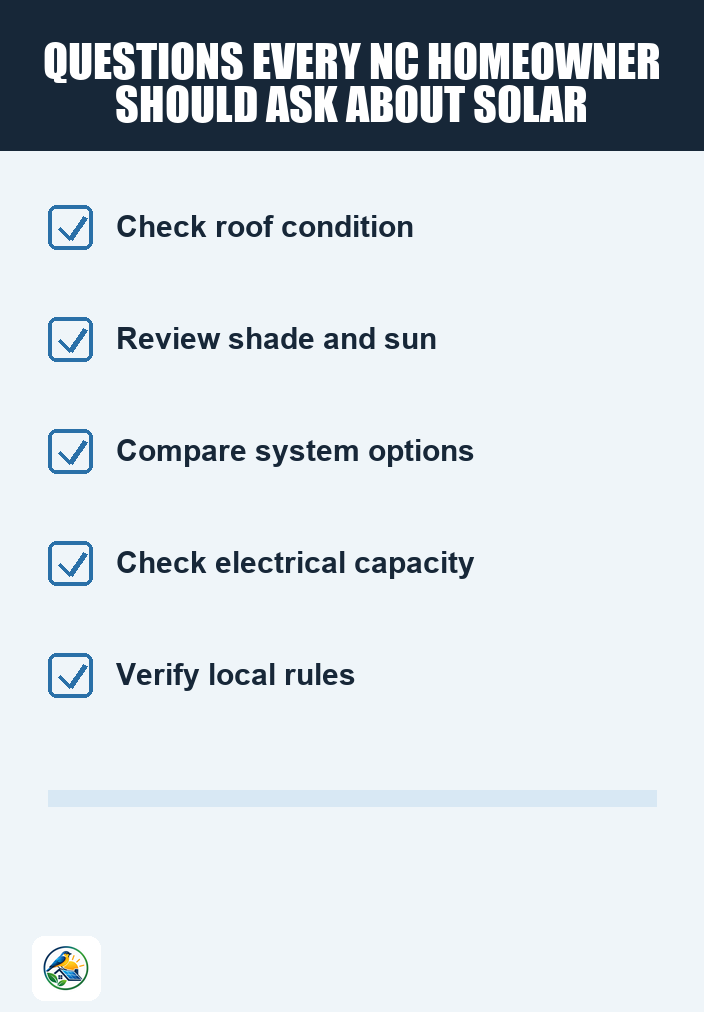
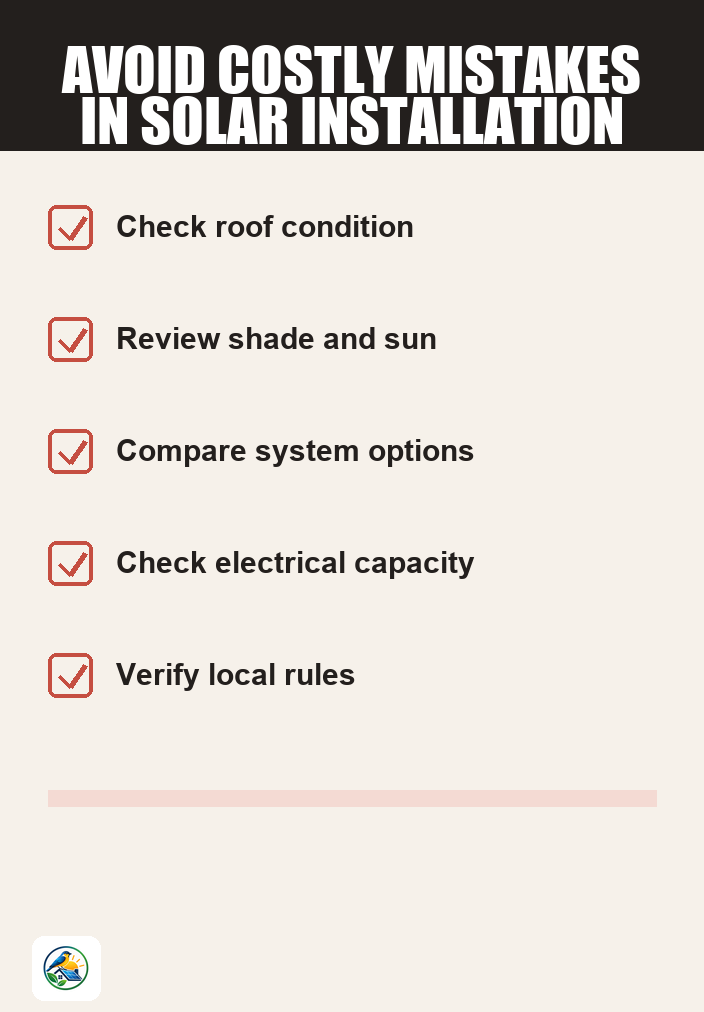
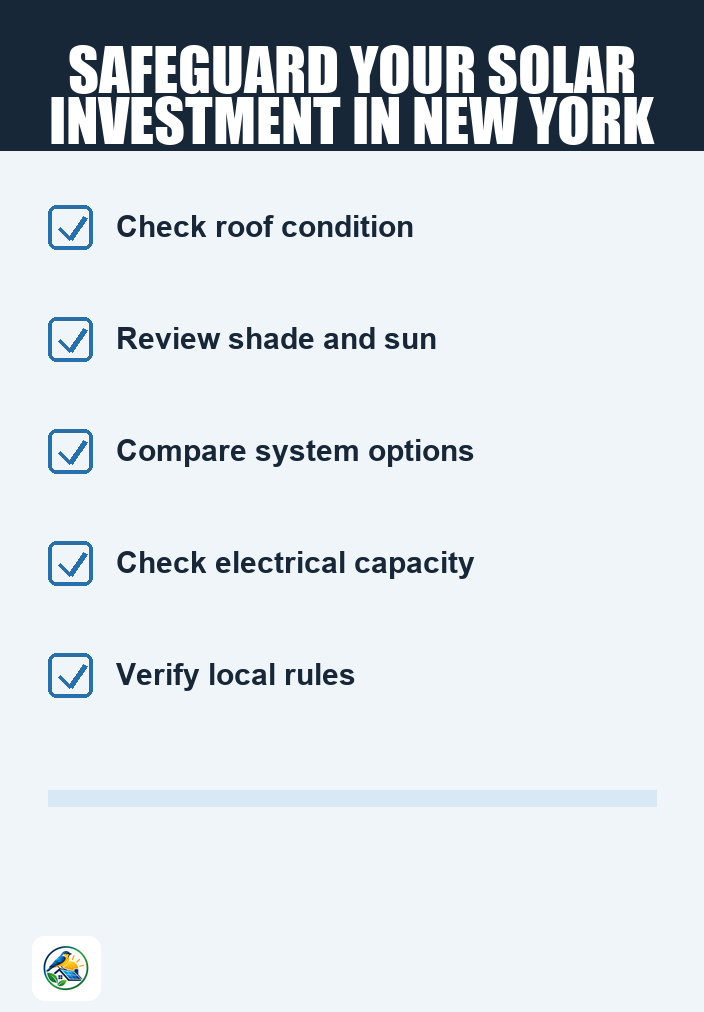
- Roof Condition: If your roof requires repairs or reinforcement, this will add to the overall cost of going solar.
Ongoing Costs of Traditional Energy
Homeowners typically pay for electricity through monthly utility bills. In New Jersey, electricity rates can fluctuate based on market conditions, utility provider policies, and other factors. Some considerations include:
- Variable Rates: Traditional electricity prices can rise due to increased demand or changes in fuel prices.
- Fixed Charges: Many utility companies impose fixed monthly charges regardless of consumption levels, adding to the cost burden.
- Incentives and Discounts: Some utilities offer discounts or incentives for energy-efficient practices, but these vary and may not offset overall energy costs significantly.
Potential Savings from Solar Installation
While solar installation comes with upfront costs, it can offer potential savings in the long run. However, these savings are not guaranteed and depend on multiple factors including:
- Net Metering: New Jersey has a net metering policy that allows homeowners to receive credits for excess energy generated by their solar panels. This can offset your electricity bill but varies based on your energy consumption and production.
- Incentives: The state offers various incentives for solar installation, but the specifics can change. Homeowners should verify current offerings from local governments and utility companies.
- Energy Independence: Generating your own energy can protect you from future price increases in traditional energy sources.
The Role of Home Batteries
For those considering a solar installation, adding a home battery can enhance the system’s effectiveness. Batteries store excess energy generated during the day for use at night or during outages. However, homeowners should weigh the pros and cons:
- Cost Considerations: Home battery systems increase the initial investment but can provide greater energy autonomy.
- Installation Complexity: Integrating a battery with a solar system can complicate installation, requiring more planning and potentially higher costs.
- Maintenance and Lifespan: Batteries require maintenance and have a limited lifespan, which should be factored into long-term cost assessments.
Considerations for Your Home
When evaluating whether solar is cost-effective for your home, consider the following:
- Roof Orientation and Shade: Homes with south-facing roofs and minimal shade are ideal for solar installations. Those with shaded roofs might see less energy production.
- Electrical Upgrades: Older homes may need electrical system upgrades to accommodate solar, which can add to costs.
- Future Plans: Consider how long you plan to stay in your home. If you plan to move soon, the financial benefits of solar may not be realized before you sell.
Comparing Quotes from Qualified Installers
To make a well-informed decision, it’s essential to obtain quotes from multiple qualified solar installers. When comparing quotes, consider the following:
- Itemized Costs: Look for detailed breakdowns of equipment, installation, permitting, and any additional fees.
- Warranty and Maintenance: Understand what warranties are offered for the panels and the installation work, as well as any maintenance requirements.
- Financing Options: Explore financing plans and payment options, as these can significantly affect your overall investment.
Next Steps for Homeowners
Choosing between solar installation and traditional energy sources is a significant decision that requires careful consideration of your home’s specific circumstances. Start by researching local solar installers, gathering multiple quotes, and verifying current incentives. Each home is unique, and the right choice depends on your energy needs, financial situation, and future plans. Take the time to weigh your options thoroughly before making a commitment.