
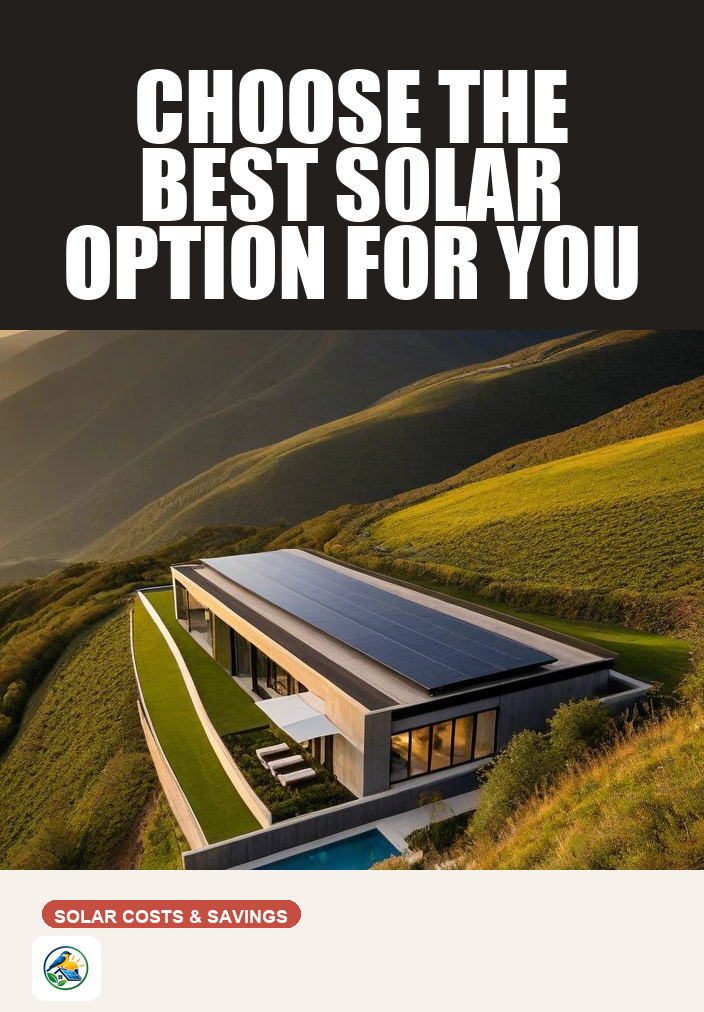
Understanding Solar Leases vs. Owned Panels
As a homeowner considering solar energy, one of the first decisions you’ll face is whether to lease solar panels or to buy them outright. Both options have distinct advantages and disadvantages, and understanding these can help you make an informed choice that suits your financial situation and energy needs. In this article, we’ll break down what each option entails, the trade-offs you should consider, and practical steps to take as you evaluate your solar energy options.
What is a Solar Lease?
A solar lease is an arrangement where a third-party company installs solar panels on your roof, and you pay a monthly fee to use the electricity generated by those panels. This is similar to renting but with a few key differences.
Advantages of Solar Leases
- Lower Upfront Costs: Since you’re not purchasing the panels, your initial outlay is significantly lower than buying.
- No Maintenance Worries: The leasing company typically handles maintenance and repairs, which can save you time and money.
- Predictable Payments: Your monthly lease payments can be fixed, making it easier to budget for energy costs.
Disadvantages of Solar Leases
- No Ownership: You don’t own the panels, so you won’t benefit from any potential increase in property value.
- Long-Term Commitment: Leases often last 20-25 years, which can be a lengthy commitment if your circumstances change.
- Limited Control: You may have less flexibility in terms of solar system modifications or upgrades.
What is Buying Solar Panels?
When you choose to buy solar panels, you pay for the system upfront or through financing, and the panels are yours. This option allows you to have complete control over the system.
Advantages of Owned Panels
- Full Ownership: You own the panels outright, which can increase your home’s value and give you potential financial benefits.
- Incentives and Tax Credits: As the owner, you may be eligible for federal, state, and local incentives.
- Flexibility: You can modify or upgrade your system as needed, including adding battery storage for backup power.
Disadvantages of Owned Panels
- Higher Upfront Costs: Purchasing a system outright requires a significant initial investment, which may not be feasible for all homeowners.
- Maintenance Responsibilities: As the owner, you are responsible for any maintenance and repairs, which can add to your costs over time.
- Financing Costs: If you finance your system, you may incur interest charges, which can impact overall savings.
Comparing Costs and Savings
When evaluating whether to lease or buy solar panels, it’s essential to consider the long-term financial implications of each option. While leases may offer lower short-term costs, owning the system can lead to greater savings over time, particularly due to incentives and the absence of monthly payments once the system is paid off.
Factors Influencing Your Decision
- Current and Future Energy Needs: Assess your household’s energy consumption and consider potential changes in the future.
- Roof Condition and Orientation: Your roof’s age, condition, and orientation can influence solar energy production and the suitability of a solar installation.
- Local Incentives: Research federal, state, and local incentives to determine if they significantly impact your decision.
- Financing Options: Different financing options may be available, affecting your overall costs and savings.
Professional Installers: Getting Accurate Quotes
Before making a final decision, consider obtaining quotes from qualified solar installers. A professional evaluation can help clarify your energy needs, assess your property, and provide itemized quotes for both leased and owned systems.
When reviewing quotes, look for:
- Detailed Costs: Ensure all costs are clearly outlined, including installation, equipment, and potential maintenance.
- Incentive Information: Verify any claimed incentives and tax credits, as these can vary significantly by location.
- Contract Terms: Read through the terms of a lease or purchase agreement to understand your commitments and rights.
Next Steps for Homeowners
Choosing between solar leases and owned panels involves more than just financial considerations; it requires an assessment of your home’s unique characteristics and your long-term energy goals. To move forward:
- Research local solar incentives and regulations.
- Evaluate your roof’s suitability for solar panels.
- Obtain multiple quotes from qualified solar installers.
- Compare itemized quotes to understand both short-term and long-term costs.
- Consult with a financial advisor if needed, especially regarding financing options.
By taking these steps, you can make a well-informed decision that aligns with your financial situation and energy needs, ensuring that your investment in solar energy is the right fit for your home.


















