Understanding Solar Installation Options in Florida
As a homeowner in Florida considering a solar installation, it’s crucial to navigate the process intelligently to avoid overspending. The state’s abundant sunshine makes it an ideal location for solar energy, but costs, incentives, and installation options can vary widely. Understanding these factors will help you make informed decisions without breaking the bank.
Types of Solar Installations
When exploring solar options, you’ll primarily encounter three types of systems: grid-tied, battery backup, and off-grid systems. Each option has its own considerations and potential costs.
Grid-Tied Solar Systems
Grid-tied systems are the most common for residential installations. These systems connect directly to the utility grid, allowing you to draw power when your solar panels aren’t producing enough energy, such as at night or during cloudy weather. This setup typically requires no batteries, making it more cost-effective.
Battery Backup Systems
Battery backup systems store excess energy generated during the day for use at night or during power outages. While they offer increased energy independence and security, they come with higher upfront costs due to the price of batteries and additional installation requirements. It’s essential to weigh the benefits of having a backup against the added expense.
Off-Grid Solar Systems
Off-grid systems are designed for homes that are not connected to the utility grid. They require a larger solar array and storage capacity to meet all energy needs independently. Off-grid systems typically incur the highest installation costs and ongoing maintenance, making them less common among Florida homeowners.
Evaluating Your Home for Solar Installation
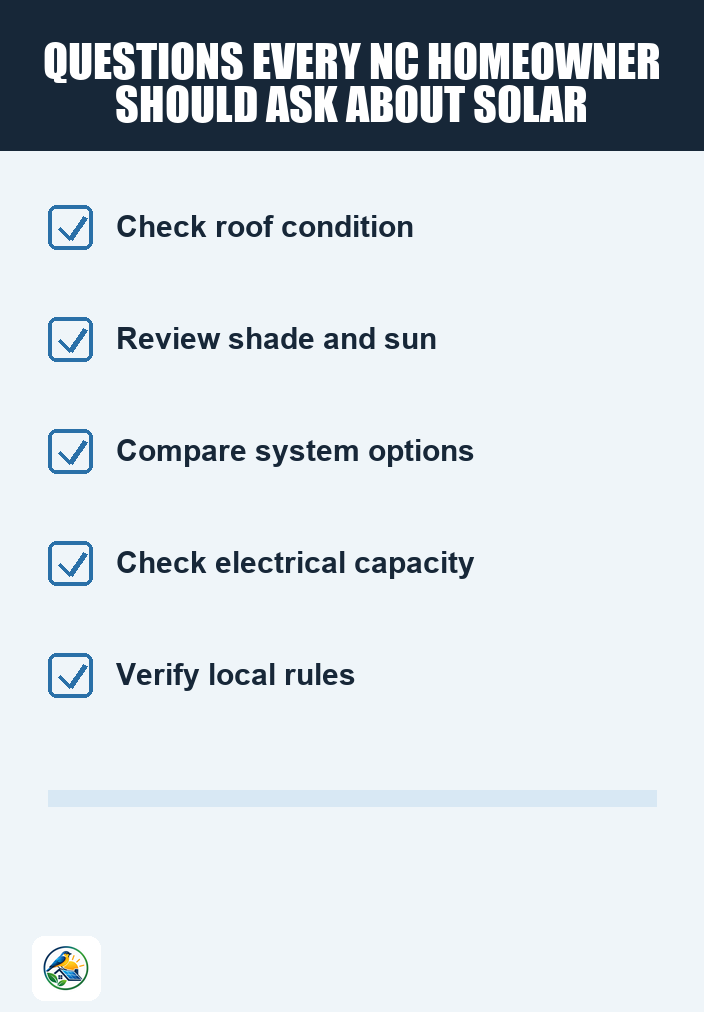
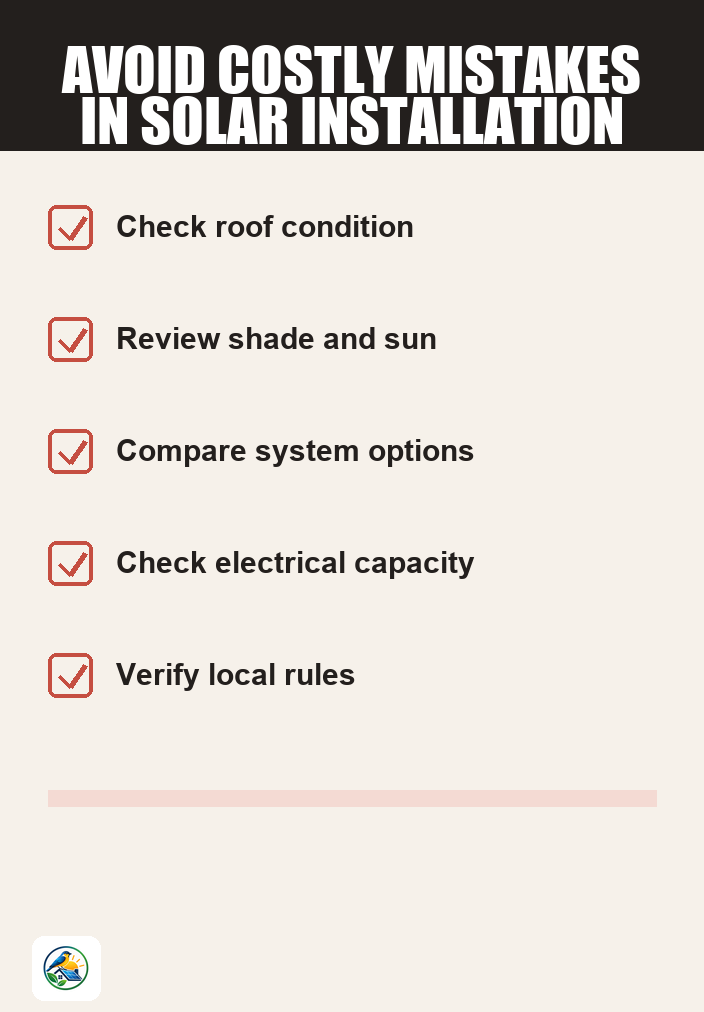
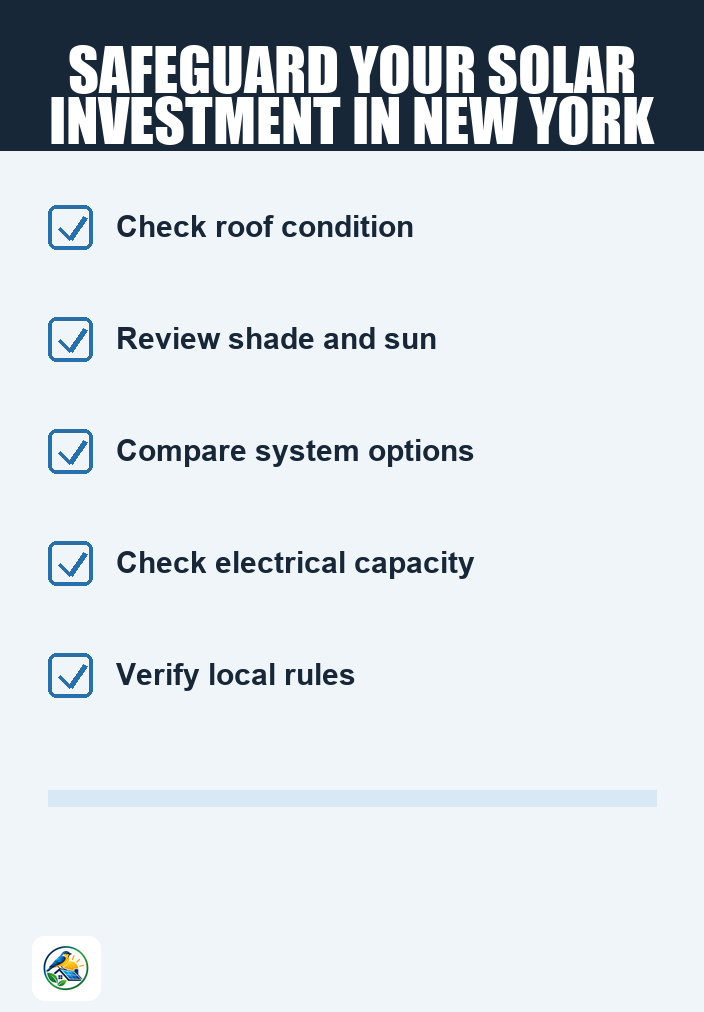
Before proceeding, it’s essential to evaluate your home’s suitability for solar installation. Here are some key factors to consider:
- Roof Condition: Ensure your roof is in good shape. Repairs or replacements can add significant costs to your solar installation.
- Orientation and Tilt: South-facing roofs typically receive the most sunlight. The tilt of your roof can also affect efficiency; a pitch between 30-45 degrees is often ideal.
- Shading: Trees, buildings, or other structures that cast shade can reduce solar panel efficiency. Consider trimming trees or relocating structures if possible.
- Electrical Upgrades: Your home’s electrical system may need upgrades to handle the new solar equipment. A qualified installer can assess this during a site visit.
Cost Considerations and Financing Options
The cost of solar installation can vary significantly based on the size of your system, equipment choices, and installation complexity. Here are some considerations to keep in mind:
Initial Costs
While solar prices have generally trended downward, the total upfront expense can still be substantial. When obtaining quotes, ensure they include:
- Equipment costs (panels, inverters, and other components)
- Installation labor
- Permitting and inspection fees
- Potential upgrades to your electrical system
Financing Options
Many homeowners choose to finance their solar systems to spread out costs. Options may include:
- Solar Loans: These allow you to pay for your system over time, often with fixed interest rates.
- Leases: With a solar lease, you pay a monthly fee for using the solar system without owning it, but you miss out on some incentives.
- Power Purchase Agreements (PPAs): Similar to leases, you pay for the electricity generated rather than the system itself, potentially lowering your upfront costs.
Incentives and Rebates
Florida has various incentives that can help offset the cost of solar installation, including state and local programs. However, these incentives can change, so it’s crucial to verify the most current information through local utility companies and government resources. Some incentives to explore include:
- Federal Solar Investment Tax Credit (ITC): This allows homeowners to deduct a percentage of the installation costs from their federal taxes. Check current eligibility and amounts.
- State and Local Incentives: Some utilities and local governments offer rebates or incentives that can further reduce installation costs.
Choosing the Right Installer
Finding a qualified solar installer is critical to ensuring a successful installation. Here are some tips for selecting the right installer:
- Check Credentials: Ensure the installer is licensed, insured, and has experience with residential solar installations.
- Read Reviews: Look for customer testimonials and reviews to gauge the quality of their work and customer service.
- Obtain Multiple Quotes: Comparing itemized quotes from different installers can help you understand the market rates and services offered.
- Discuss Warranties: Inquire about warranties on equipment and installation to protect your investment.
Next Steps in Your Solar Journey
As you explore solar installation options in Florida, consider the factors discussed in this article. Start by evaluating your home’s suitability for solar, understanding your financing options, and researching incentives available in your area. Once you feel informed, it’s time to compare quotes from qualified installers. This process will allow you to make a well-informed decision that aligns with your budget and energy needs.
Remember, solar is not a one-size-fits-all solution, and what works for one home may not be ideal for another. Take your time to weigh your options, understand the trade-offs, and choose a solution that works best for you.