
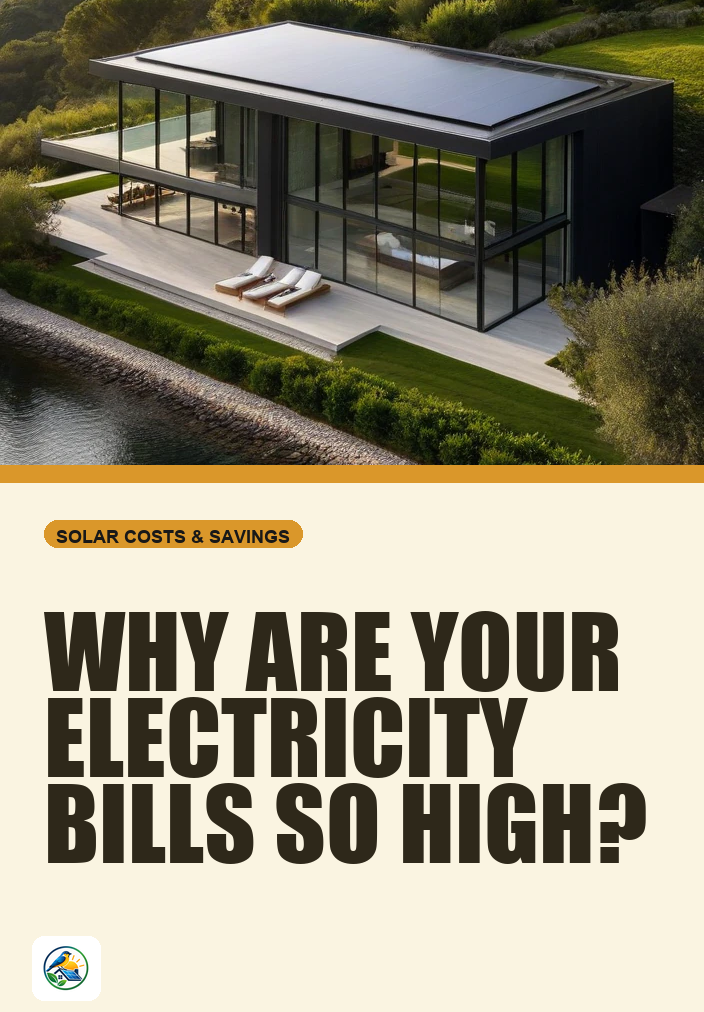
Understanding Cost Factors for High Electricity Bills When Considering Solar
For many U.S. homeowners grappling with high electricity bills, the prospect of installing a residential rooftop solar system may seem appealing. However, solar energy is not a one-size-fits-all solution. It’s essential to consider numerous cost factors to determine whether solar is a viable option for your household.
Evaluating Your Current Energy Usage
The first step in determining the feasibility of solar is understanding your current energy consumption. Review your electricity bills for the past year to identify trends and peak usage months. Consider the following:
- Monthly Usage: Calculate your average monthly kilowatt-hours (kWh) used. This will help you estimate the size of the solar system needed.
- Peak Demand: Identify times when your electricity usage is highest. A solar system can reduce costs during peak hours if it is sized appropriately.
By understanding your energy usage, you can better communicate your needs to potential solar installers, helping them provide accurate quotes and recommendations.
Cost of Solar Systems
The cost of installing a solar system can vary significantly based on several factors. Understanding these can help you make an informed decision:
System Size and Design
The size of the solar system you need depends primarily on your energy consumption and the available space on your roof. Larger systems typically cost more but can provide more savings. Consider the following:
- Roof Space: Assess the available area for solar panels. A shaded or small roof may limit system size and energy production.
- Panel Type: Different solar panels have varying costs and efficiencies. Higher efficiency panels may be more expensive upfront but can generate more energy in less space.
Installation Costs
Installation costs can vary based on your location and the complexity of the installation. Factors include:
- Labor Costs: Local labor rates can significantly affect installation prices. In metropolitan areas, labor tends to be more expensive.
- Structural Modifications: If your roof requires repairs or reinforcements to support the solar panels, this can add to your overall costs.
Financing Options
How you finance your solar system can impact your overall costs. Here are some common options:
- Outright Purchase: Paying for the system upfront usually results in the lowest long-term costs, but it requires a significant initial investment.
- Loans: Solar loans allow homeowners to spread the cost over time. Be aware of interest rates and terms, as they can affect overall costs.
- Leases and Power Purchase Agreements (PPAs): These options can reduce or eliminate upfront costs, but they often lead to higher long-term expenses.
Incentives and Rebates
Incentives can significantly affect the overall cost of solar installation. However, these programs can vary widely by state and may change over time, so it’s vital to verify current offerings. Consider:
- Federal Tax Credit: While there is a federal tax credit for solar installations, the percentage available can change, so verify current information before proceeding.
- State and Local Incentives: Check for any state-specific tax credits, rebates, or incentives that can lower your installation costs.
- Net Metering Rules: Understand how your utility company compensates you for excess energy your system generates. This can influence the financial viability of your installation.
Battery Storage Considerations
Many homeowners consider adding battery storage to their solar systems for increased energy independence. However, this adds additional costs. Key factors include:
- Battery Size: The capacity of the battery will determine how much energy you can store for use during peak times or outages.
- Installation Costs: Adding a battery system can complicate the installation, potentially increasing costs.
- Maintenance and Lifespan: Batteries have a limited lifespan and may require replacement, which adds to long-term costs.
Potential Drawbacks and Constraints
While solar can offer potential benefits, it’s not without its challenges. Consider these factors before making a decision:
- Roof Condition: If your roof is old or in disrepair, it may need replacement before installing solar, adding costs.
- Shading and Orientation: Roofs that are heavily shaded or not oriented toward the sun may not be suitable for solar installation.
- Utility Policies: Local regulations and utility policies can impact your installation’s feasibility, so research these thoroughly.
- Homeowner Plans: Consider your long-term plans for the property. Moving soon may not justify the investment in solar.
Next Steps for Homeowners
If you’re considering solar to combat high electricity bills, start by comparing itemized quotes from qualified installers. Ensure that each quote includes detailed information on system size, equipment, installation costs, and potential incentives. This will help you make an informed decision tailored to your household’s needs.
Remember, solar energy can be a significant investment, and understanding the cost factors will empower you to determine whether it’s the right fit for your home. Don’t hesitate to seek multiple opinions and verify all information with local resources to ensure a well-rounded approach to your solar journey.


















