Understanding Solar Installation in North Carolina
If you’re a homeowner in North Carolina contemplating solar energy for your residence, you’re not alone. The move towards solar power is increasingly popular, but there are important considerations to weigh before making the leap. This guide aims to equip you with essential knowledge about solar installation in the Tar Heel State, focusing on various factors that can affect your decision.
Types of Solar Systems: Grid-Tied vs. Off-Grid
The first step in your solar journey is understanding the different types of solar systems available. Most residential installations in North Carolina are grid-tied systems. These systems connect to your local utility grid, allowing you to draw power from the grid when your solar panels aren’t generating enough electricity (like at night) and feed excess power back into the grid during sunny days.
Alternatively, off-grid systems operate independently of the utility grid. These systems require battery backup to store energy for use when solar production is low. Off-grid setups can be more expensive and complex, so they are generally suited for remote locations or specific homeowner needs.
Evaluating Your Roof for Solar Panels
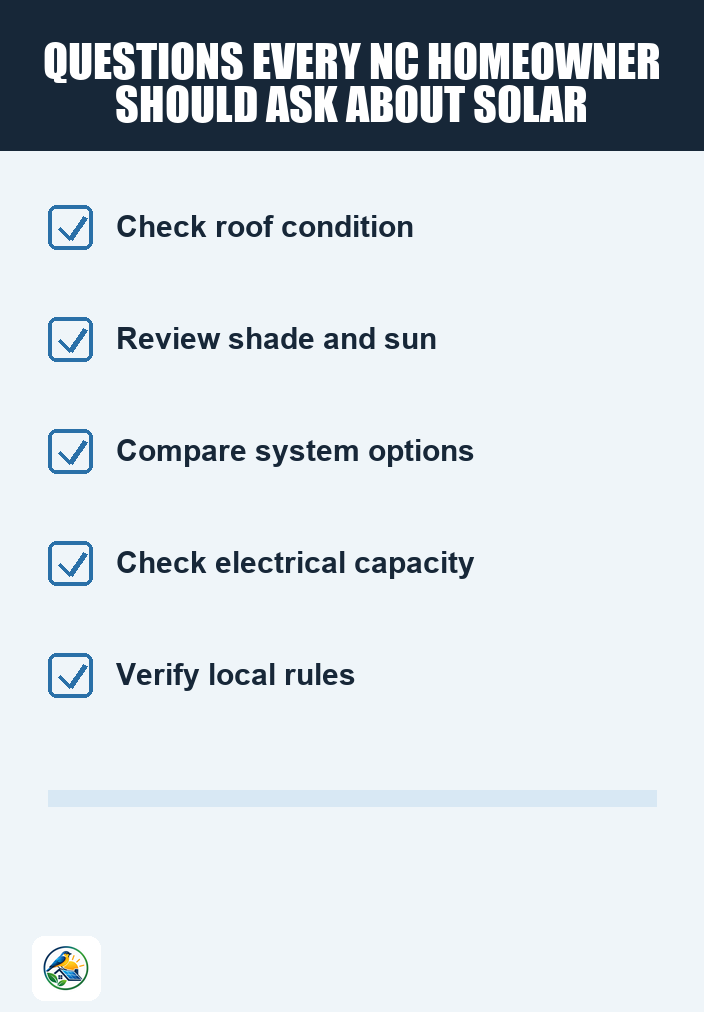
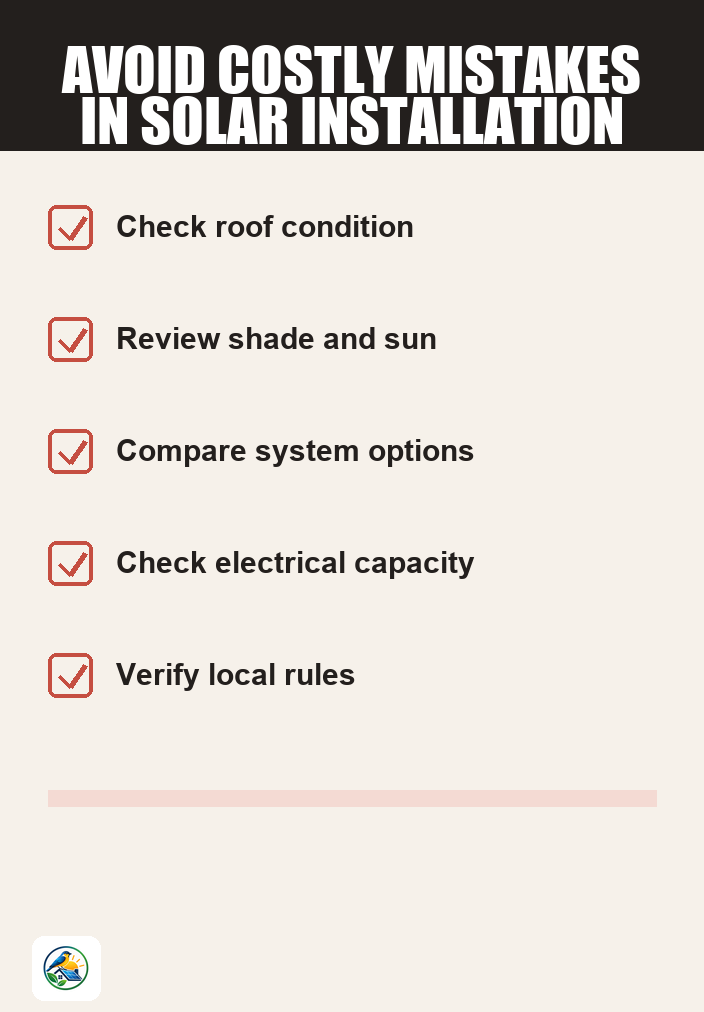
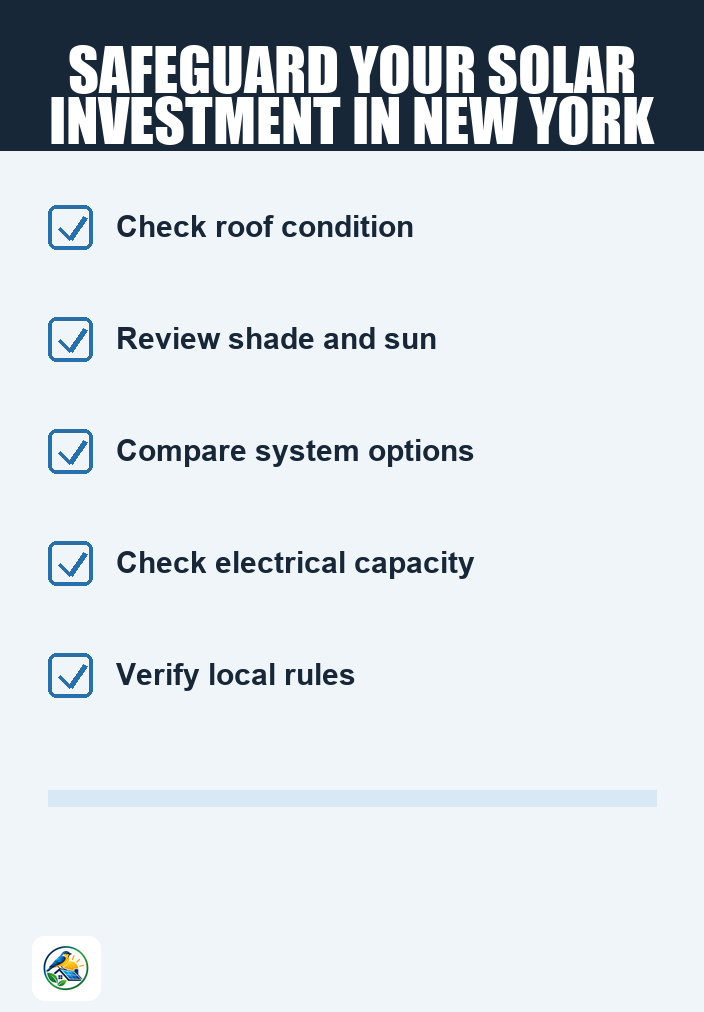
Before you even think about installation, take a good look at your roof. Here are some factors to consider:
- Condition: Is your roof in good shape? If it needs repairs or replacement, it’s better to address those issues before installing solar panels.
- Orientation: South-facing roofs typically receive the most sunlight, but east- and west-facing roofs can also work well.
- Shade: Are there tall trees or buildings nearby that could block sunlight? Shaded panels produce less energy.
- Size: Do you have enough roof space to accommodate the number of panels you might need? A professional installer can help you determine how many panels will fit based on your energy needs.
Local Climate and Its Impact on Solar Production
North Carolina enjoys a relatively sunny climate, which is advantageous for solar energy production. However, seasonal weather variations can affect overall energy generation. Here’s what to keep in mind:
- Summer: Longer days and abundant sunshine mean higher energy production.
- Winter: Shorter days and potential snow can reduce output, but solar panels are still effective in winter conditions.
- Rain: While clouds and rain can limit production, they typically don’t halt it altogether.
Understanding your local climate can help set realistic expectations for solar energy production and savings.
Deciding Between Solar with Battery Backup vs. Without
Many homeowners consider adding a battery storage system to their solar installation. Here are some trade-offs:
- Battery Backup: Provides power during outages and allows you to use stored energy during peak hours when electricity rates may be higher. However, batteries can be expensive and may require additional maintenance.
- No Battery: Lower upfront costs and simpler installation, but you’ll rely solely on the grid for nighttime or cloudy day energy needs.
Consider your energy usage patterns, budget, and any potential outages in your area when making this decision.
Understanding Permitting and Interconnection Processes
Installing solar panels in North Carolina involves navigating local permitting and interconnection rules. Each county may have different regulations, so it’s essential to check:
- Permitting: Local building permits are often required before installation. An installer familiar with local laws can help expedite this process.
- Interconnection: You’ll need to work with your utility to connect your solar system to the grid. This process can vary by utility, so understanding their requirements can save you time and frustration.
Incentives, Rebates, and Financing Options
North Carolina offers various incentives for homeowners considering solar, but the specifics can change. It’s crucial to verify current local, state, and federal programs:
- Tax Credits: The federal solar tax credit can significantly reduce upfront costs, but eligibility and percentages can change, so consult a tax professional.
- State Incentives: Check for any state-specific rebates or grants that might apply.
- Financing: Options range from loans to leases, so evaluate what works best for your financial situation. A professional installer can help explain financing options.
Getting Multiple Quotes for Your Solar Installation
Once you’ve done your homework on the factors above, it’s time to reach out to solar installers for quotes. Here are some steps to take:
- Research Installers: Look for qualified, licensed installers with good reviews and experience in North Carolina.
- Request Quotes: Ask for itemized quotes detailing equipment, installation costs, permits, and potential incentives.
- Compare Offers: Don’t settle for the first quote. Comparing multiple offers will help you understand the market and make a more informed decision.
Final Thoughts: Is Solar Right for You?
Installing solar panels can be a great way to harness renewable energy, but it’s not a one-size-fits-all solution. Consider your home’s specific characteristics, your energy needs, and the various financial aspects. Take the time to understand the options available to you, and consult with professionals to get a clear picture of what solar can do for your home.
Next Steps
Ready to explore solar options? Start by assessing your roof, understanding your energy needs, and researching local installers. Collect multiple itemized quotes and don’t hesitate to ask questions. Solar may be a suitable choice for your home, but informed decisions will ensure you’re making the best investment for your situation.