
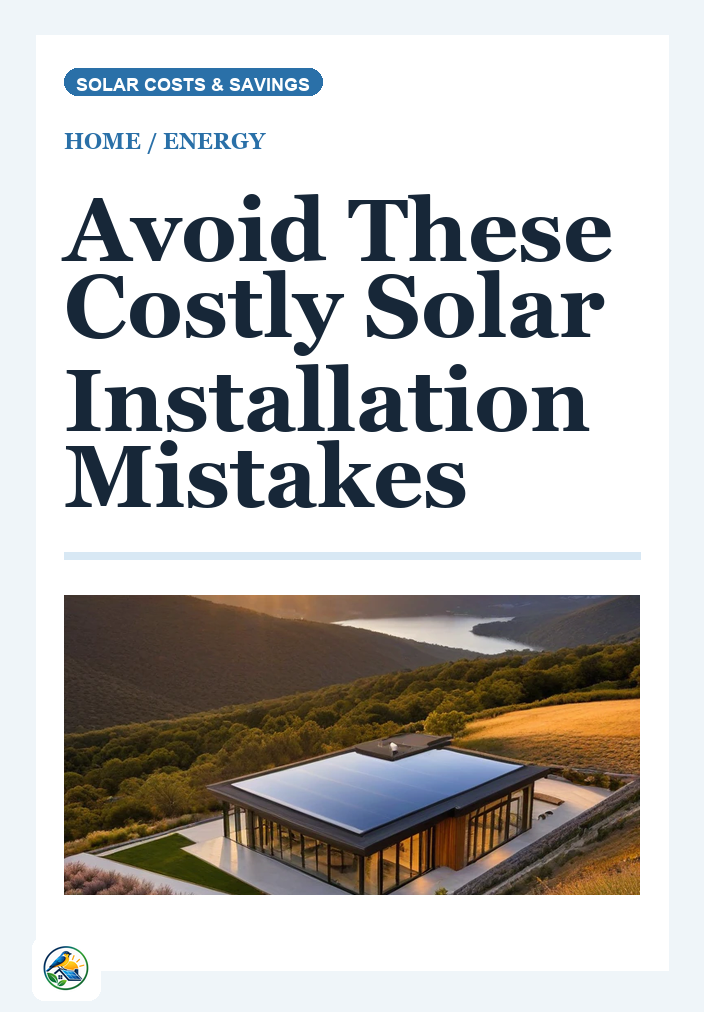
Understanding Common Mistakes in Choosing Solar for High Electricity Bills
As a homeowner grappling with high electricity bills, the prospect of installing a solar energy system can be both exciting and complex. However, navigating the decision can lead to several common pitfalls. Understanding these mistakes can help ensure that you make an informed choice that suits your home, financial situation, and energy needs.
Overestimating Solar Savings Potential
One of the most frequent mistakes homeowners make is assuming that solar panels will drastically reduce their electricity bills without fully understanding their unique energy consumption patterns. While solar can provide significant savings, several factors influence how much you can expect to save:
- Energy Usage: Review your electricity bills for the past year to determine your average monthly usage. This data is crucial for sizing your solar system.
- Utility Rates: Be aware of your local utility rates and any time-of-use pricing structures. This knowledge is essential when predicting potential savings.
- Incentives and Rebates: Research available incentives in your area, as these can vary significantly and impact your overall savings.
Neglecting Roof Condition and Suitability
Many homeowners overlook the condition and characteristics of their roofs when considering solar installation. Here are a few critical aspects to evaluate:
- Roof Age: If your roof is nearing the end of its lifespan, it might need repairs or replacement before installing solar panels.
- Orientation and Tilt: The direction your roof faces can affect solar energy production. South-facing roofs typically receive more sunlight than north-facing ones.
- Shade Analysis: Trees, nearby buildings, or other obstructions can create shade, reducing the efficiency of solar panels. A professional installer can perform a shade analysis to assess this.
Failing to Consider System Size and Energy Needs
Choosing the wrong size for your solar system is another common mistake. An oversized system may lead to unnecessary costs, while an undersized one won’t meet your energy needs. To avoid this mistake, consider the following:
- Energy Consumption Assessment: Conduct a detailed assessment of your energy use, taking into account appliances, heating, and cooling needs.
- Consult with Professionals: Obtain quotes from multiple installers who can help you assess the appropriate system size based on your energy usage and roof characteristics.
- Future Energy Needs: Consider any upcoming changes, like adding new appliances or expanding your home, that may increase your energy needs.
Ignoring Financing Options and Long-Term Costs
The financial implications of going solar can be daunting, and many homeowners overlook the various financing options. It’s crucial to understand the costs involved:
- Upfront Costs: Determine whether you can afford the initial outlay or if financing options are more suitable.
- Interest Rates: If financing, research different loan options and their interest rates, as these can significantly affect the total cost of the system.
- Maintenance Costs: While solar panels generally require little maintenance, some costs may arise over time, such as cleaning or inverter replacement.
Overlooking the Benefits of Battery Storage
Incorporating a home battery into your solar system can enhance energy independence, but many homeowners do not consider this option. Here are some reasons to evaluate:
- Backup Power: A battery can provide power during outages, ensuring you have electricity when the grid fails.
- Energy Management: Batteries allow you to store excess energy produced during the day for use at night or during peak pricing times.
- Long-Term Savings: By maximizing solar energy use and minimizing reliance on the grid, batteries can lead to potential long-term savings.
Neglecting Utility Policies and Interconnection Rules
Before making a final decision, it’s crucial to understand your local utility’s policies regarding solar energy systems:
- Net Metering: Some utilities offer net metering, allowing you to receive credits for excess energy you generate. Ensure you understand how this works in your area.
- Interconnection Requirements: Familiarize yourself with the rules for connecting your solar system to the grid, as these can affect installation timelines and costs.
- Incentives and Rebates: Check with your utility to see what incentives may be available to offset installation costs.
Rushing the Decision-Making Process
Lastly, many homeowners rush their decision to go solar without thoroughly researching their options. Taking the time to evaluate the following can lead to a more satisfying outcome:
- Installer Credentials: Research potential installers’ experience, reviews, and warranties to ensure you’re working with a reputable company.
- Comparing Quotes: Obtain multiple quotes that detail all costs, equipment, and installation timelines. This can help you identify the best deal.
- Understanding Contracts: Read contracts carefully, paying attention to terms, warranties, and financing details to avoid surprises later.
Next Steps for Homeowners
Choosing to install solar panels can be a rewarding investment for your home, but it’s essential to avoid common pitfalls. By carefully considering your energy needs, roof conditions, financing options, and local utility policies, you can make a more informed decision.
To ensure you’re making the best choice, start by comparing itemized quotes from qualified solar installers in your area. This will help you understand the costs and benefits specific to your home and energy needs. Always remember to verify the latest information on incentives and policies in your locality before proceeding with your solar installation.


















