
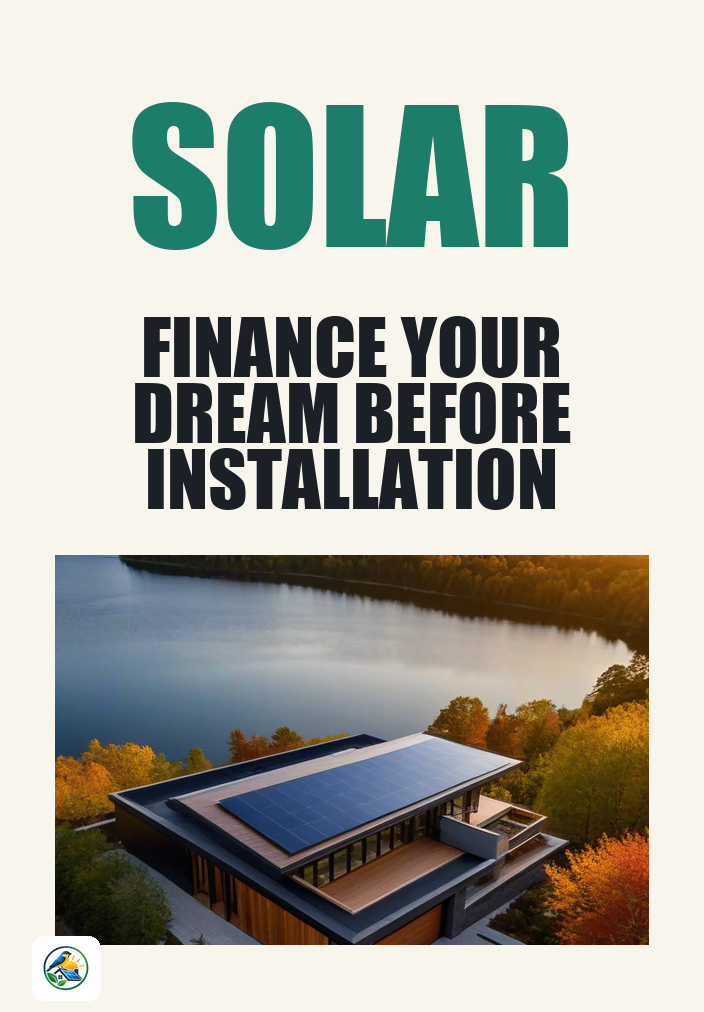
Understanding Solar Financing Options for Your Home
As a homeowner considering a solar energy system, financing is a crucial aspect you need to understand before making a decision. The right financing option can significantly affect your budget, savings, and the overall feasibility of installing solar panels. In this article, we will explore the various financing options available, their trade-offs, and important considerations to help you make an informed choice.
Types of Solar Financing Options
When it comes to financing your solar installation, there are several pathways you can take. Each option has its pros and cons, and the best choice for you will depend on your financial situation, goals, and preferences.
1. Cash Purchase
A cash purchase is the most straightforward option for financing solar panels. You pay for the entire system upfront, which means you own the system outright from the start. This option typically yields the highest long-term savings since you won’t incur any interest or financing fees.
- Pros: Immediate ownership, maximum savings, no monthly payments.
- Cons: Requires a significant upfront investment, which may not be feasible for everyone.
2. Solar Loans
Solar loans allow you to finance your solar system with monthly payments, similar to a traditional loan. These loans can be secured through banks, credit unions, or specialized solar financing companies. There are two main types of solar loans:
- Secured Loans: These loans are backed by collateral, usually your home. They often have lower interest rates but carry more risk.
- Unsecured Loans: These loans do not require collateral, making them less risky for the homeowner but often come with higher interest rates.
Solar loans can be a good option if you want to spread the cost over time without sacrificing ownership of your system.
- Pros: No large upfront payment, retains ownership, potential for immediate savings on energy bills.
- Cons: Monthly payments, interest costs, and potential fees can reduce overall savings.
3. Solar Leases
With a solar lease, a third-party company owns the solar system installed on your property. You pay a fixed monthly fee to use the system, typically lower than your previous electricity bill. At the end of the lease term, you may have the option to purchase the system at a predetermined price, renew the lease, or have the system removed.
- Pros: Low or no upfront costs, predictable monthly payments, and maintenance is usually covered by the lessor.
- Cons: You do not own the system, which means you won’t benefit from tax credits or incentives.
4. Power Purchase Agreements (PPAs)
A PPA is similar to a lease, but instead of paying a fixed monthly fee, you pay for the electricity generated by the solar system at a set rate. This can provide savings compared to traditional utility rates. Like leases, the system is owned by a third party.
- Pros: No upfront costs, potential savings on electricity costs, and maintenance is typically covered.
- Cons: No ownership benefits or tax incentives, and rates may increase over time.
Key Considerations Before Financing Solar
Before choosing a financing option, consider the following factors:
1. Your Financial Situation
Evaluate your budget and financial capacity. Can you afford an upfront payment, or would monthly payments work better for your cash flow? Understanding your financial situation will help you choose the most suitable financing option.
2. Incentives and Tax Credits
Federal, state, and local incentives can significantly affect the cost of your solar installation. However, these incentives and tax credits can change over time and vary by location. Ensure you verify the current incentives available in your area before making a decision.
3. Home Condition and Solar Suitability
Your home’s roof condition, orientation, and shading can impact the performance of a solar system. If your roof needs repairs or is heavily shaded, you may need to address these issues before installation. An installer can assess your home and provide insights into how these factors may influence your financing options.
4. Future Plans
Consider your long-term plans for your home. If you plan to move soon, leasing or a PPA might be more beneficial as they typically require less financial commitment. On the other hand, if you intend to stay long-term, purchasing the system could yield greater savings.
Comparing Solar Quotes: What to Look For
Once you decide on the type of financing, it’s essential to obtain quotes from qualified solar installers. Here are some tips for comparing quotes:
- Itemized Costs: Ensure each quote breaks down costs for equipment, installation, permits, and any additional fees.
- Financing Details: Look for clear terms on interest rates, monthly payments, and total financing costs.
- Incentive Information: Confirm how local and federal incentives are applied to the quoted price.
- Warranty and Maintenance: Check what warranties are offered on both the system and the installation, as well as ongoing maintenance options.
Next Steps for Homeowners
Taking the leap into solar energy can feel overwhelming, but understanding your financing options is a crucial first step. Start by reviewing your financial situation, researching available incentives, and assessing your home’s solar suitability. Then, reach out to qualified solar installers for itemized quotes that allow you to compare costs and financing options effectively. With the right information and planning, you can make a decision that fits your home and budget.


















