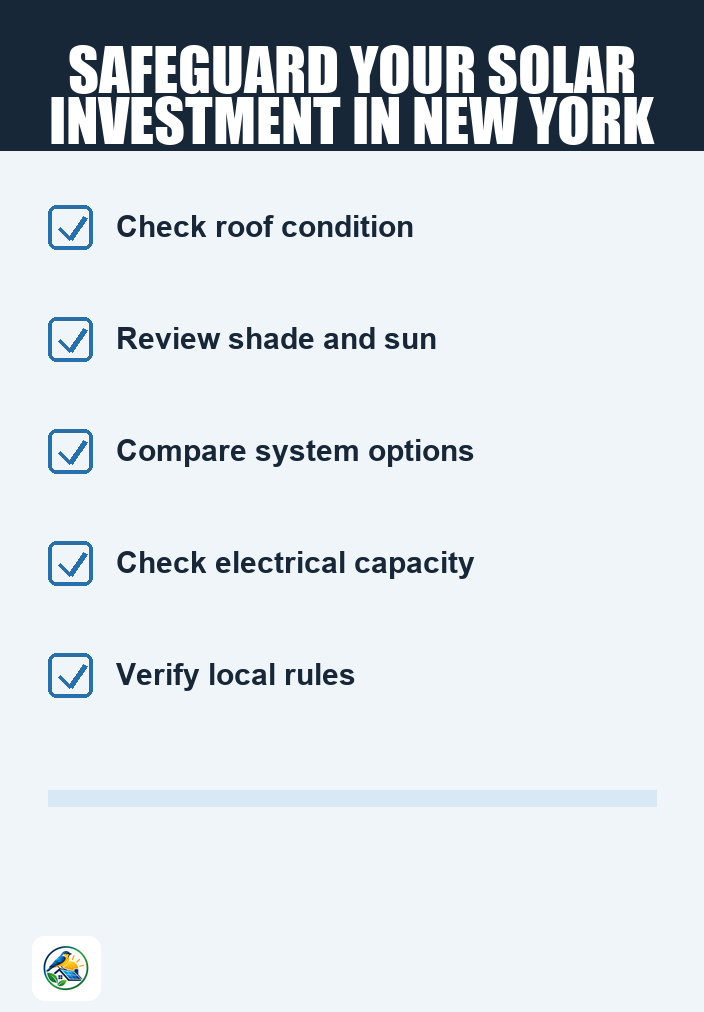
Understanding Common Pitfalls of Solar Installation in Massachusetts
Installing a solar energy system can be an excellent way to harness renewable energy, but various pitfalls can complicate the process. Homeowners in Massachusetts must navigate unique local regulations, incentives, and environmental factors. This article aims to highlight common mistakes to avoid, ensuring a smoother experience when considering solar for your home.
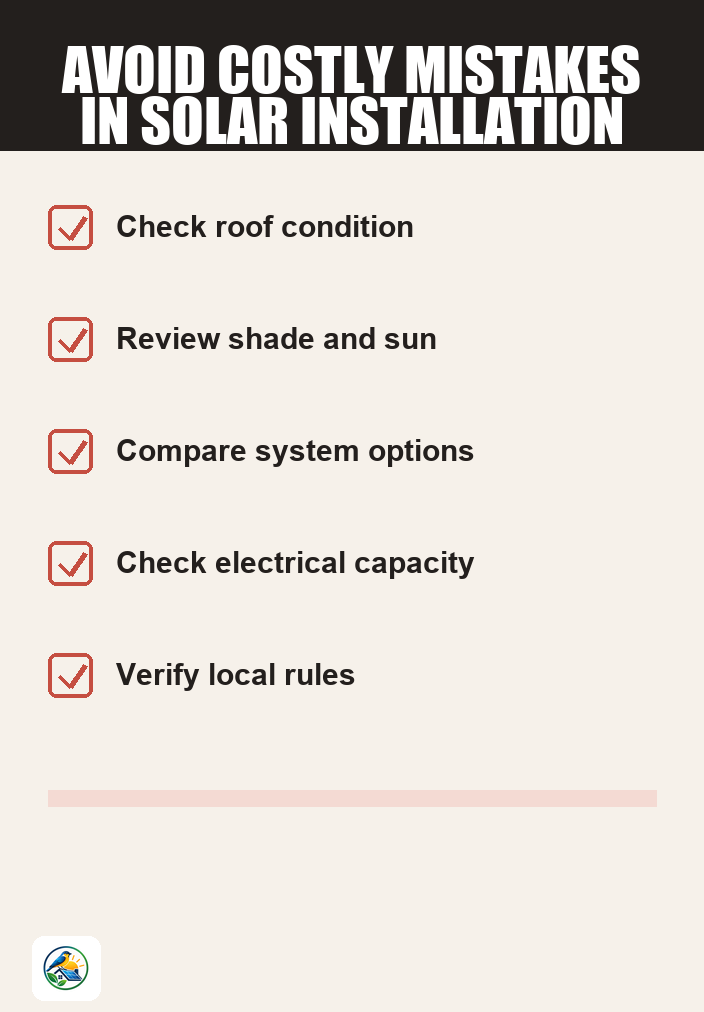
1. Overlooking Local Regulations and Permits
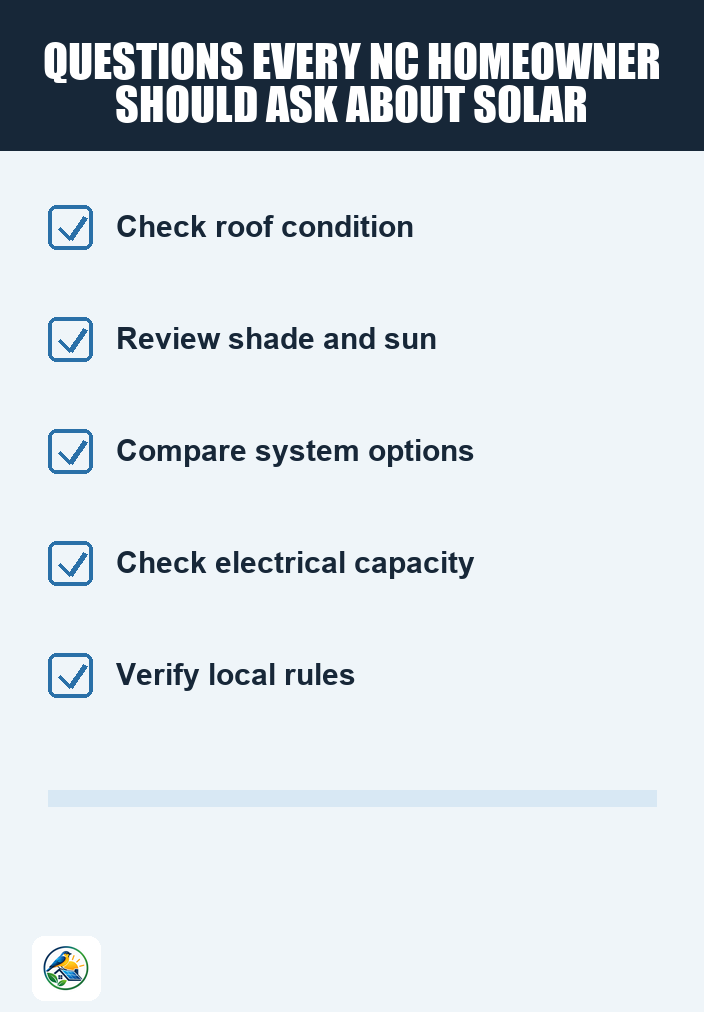
Each municipality in Massachusetts has different regulations regarding solar installations. Failing to understand these can lead to delays or even denials of your project. Always check:
- Local Zoning Laws: Some areas may have restrictions on the height or placement of solar panels.
- Building Permits: Most towns require permits for solar installations. Contact your local building department to understand the necessary paperwork.
- Interconnection Policies: Familiarize yourself with the rules for connecting your solar system to the grid. These can vary significantly by utility company.
It’s advisable to work with a qualified installer familiar with local codes to help navigate these regulations.
2. Ignoring Roof Condition and Suitability
Your roof’s condition and type significantly affect the feasibility of a solar installation. Before committing, assess the following:
- Age of the Roof: If your roof needs repairs or replacement soon, it may be wise to address that before installing solar panels.
- Roof Material: Certain materials, like tile or slate, may require special mounting techniques or may not be suitable for solar panels.
- Shade Analysis: Trees, neighboring buildings, and vents can cast shadows on your roof, reducing solar energy production. A professional can perform a detailed shade analysis.
Ensure your roof is in good condition and appropriately oriented to maximize energy production.
3. Misunderstanding System Size and Energy Needs
One of the most critical aspects of installing solar is sizing your system correctly. Homeowners often make mistakes in this area:
- Calculating Energy Usage: Review your energy bills from the past year to determine your average usage. This will help in sizing your solar system appropriately.
- Future Needs: Consider any future changes that may affect your energy consumption, such as an electric vehicle or home expansion.
- Battery Considerations: If you’re considering a battery backup system, factor in your energy storage needs alongside your solar panel size.
A detailed assessment from a professional installer can aid in determining the right system size for your specific energy needs.
4. Failing to Explore Financing Options
Solar installations can be substantial investments. Homeowners often overlook financing options that could make the installation more affordable. Consider the following:
- Loan Programs: Research local and state-level loan programs designed to help homeowners afford solar installations.
- Leases vs. Purchases: Understand the differences between leasing a solar system and purchasing one outright. Each has its pros and cons.
- Incentives and Credits: Investigate available incentives, including state tax credits and federal solar tax credits, but verify current amounts as they can change.
Exploring these options can help you make a financially viable choice regarding solar installation.
5. Choosing the Wrong Installer
Your choice of installer can make or break your solar experience. Homeowners often fall into these traps:
- Not Comparing Quotes: Always obtain multiple quotes from different installers to assess pricing and services offered.
- Ignoring Reviews: Research customer reviews and testimonials to gauge the reliability and quality of service provided by potential installers.
- Failing to Ask Questions: Don’t hesitate to ask potential installers about their experience, warranties, and post-installation support.
Selecting a qualified, reputable installer can enhance your overall experience and ensure a successful solar installation.
6. Not Considering Long-Term Maintenance
After installation, maintenance is vital for optimal performance. Some homeowners forget to account for this aspect:
- Regular Cleaning: Dust, leaves, and debris can accumulate on solar panels, impacting their efficiency. Plan for periodic cleaning.
- System Monitoring: Utilize monitoring tools to keep track of your solar system’s performance and identify any issues early.
- Warranty Understanding: Know the warranty coverage on your solar panels and inverter, and ensure you understand the maintenance recommendations.
Being proactive about maintenance can prolong the life of your solar system and ensure it operates efficiently.
7. Underestimating Weather and Environmental Factors
Massachusetts weather can be unpredictable, impacting solar production. Homeowners should keep in mind:
- Winter Snow Accumulation: Snow can cover panels, temporarily reducing output. However, it often slides off once the sun comes out.
- Seasonal Sunlight Variation: Understand how seasonal changes affect solar production and plan accordingly.
- Storm Preparedness: Know how your system will react to high winds or heavy rain; ensure your installation complies with weather-related codes.
Consider these factors when planning your solar system to set realistic expectations for energy production.
Next Steps: Making Informed Decisions
Installing solar in Massachusetts can be a rewarding investment if you avoid common pitfalls. Start by thoroughly researching local regulations, assessing your roof’s suitability, and understanding your energy needs. Consider financing options, choose a qualified installer, and plan for maintenance. Remember to verify any incentives and tax credits with current local information.
As you prepare for installation, compare itemized quotes from qualified solar installers to ensure you receive the best value and service for your new system.