
Understanding Utility Interconnection for Rooftop Solar
Utility interconnection is a critical step in setting up a rooftop solar system. It involves connecting your solar panel system to the local electrical grid, enabling you to both consume and potentially sell back excess energy. When considering installation, homeowners often face a decision: Should they attempt a DIY setup or hire a professional installer? In this article, we’ll explore the trade-offs and considerations for both options, so you can make an informed choice that aligns with your unique circumstances.
DIY Setup: Pros and Cons
Advantages of a DIY Solar Installation
- Cost Savings: A DIY approach can save you money on labor costs, which can be a significant part of the total installation bill.
- Control Over the Process: You can manage every aspect of the installation, from selecting components to the pacing of the work.
- Learning Experience: Installing your own solar system can be an educational project, enhancing your understanding of solar technology.
Challenges of DIY Installation
- Complexity of Interconnection: Connecting to the grid can be complicated. You’ll need to navigate local utility regulations and obtain the necessary permits.
- Safety Risks: Working with electrical systems can be dangerous. Without proper training, you may risk damaging your system or injuring yourself.
- Potential for Mistakes: Errors in installation can lead to inefficiencies or damage, potentially impacting your energy production and warranty claims.
Professional Installation: Benefits and Trade-offs
Advantages of Hiring Professionals
- Expertise: Professional installers are trained and experienced, ensuring that your system is installed safely and according to local codes.
- Streamlined Process: They handle all the paperwork, permitting, and interconnection processes, making it easier for you.
- Warranty Protection: Many professional installations come with warranties, providing peace of mind regarding the longevity and functionality of your system.
Considerations When Choosing a Professional
- Cost: Professional installation costs can vary widely based on location and complexity. Review itemized quotes to understand the breakdown of costs.
- Quality of Service: Research installers to ensure you choose a reputable company with positive reviews and a history of successful installations.
- Timeframe: Professional installations may take longer due to scheduling and permitting processes, which could delay your system’s activation.
Comparing the Two Approaches
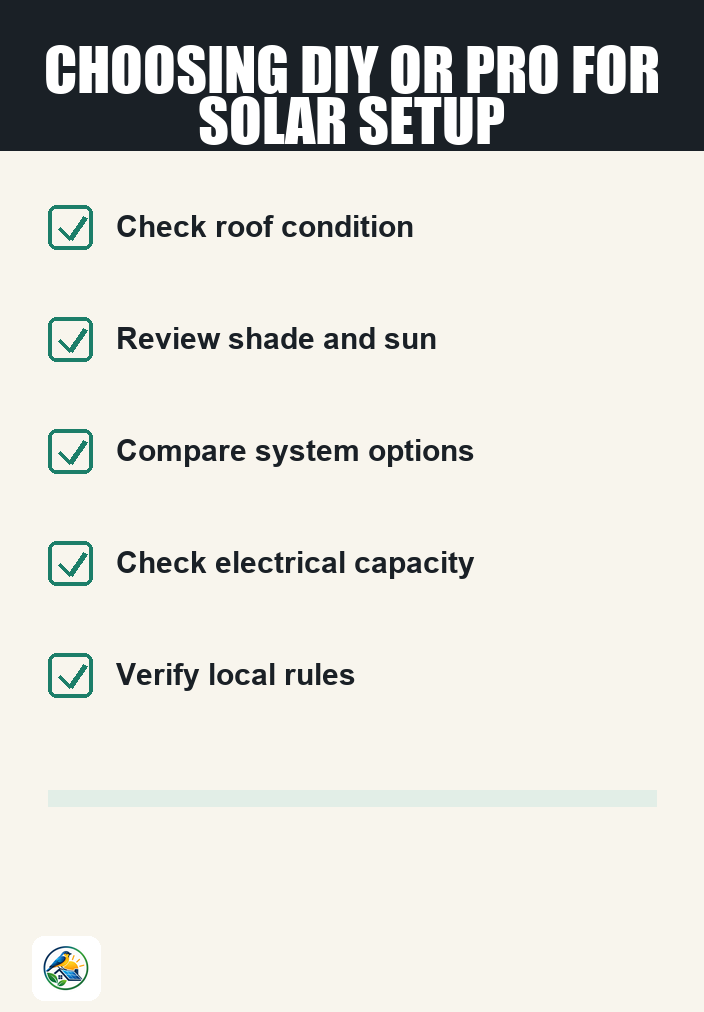
When deciding between DIY and professional installation, consider the following factors:
- Skill Level: Assess your own technical skills and comfort level with electrical work. If you’re not confident, professional help may be the better choice.
- Local Regulations: Understand your local utility requirements for interconnection. Some areas have strict codes that are easier to navigate with a professional.
- Roof Condition and Design: The state of your roof, including its age, slope, and orientation, can affect installation complexity. A professional can assess these factors more thoroughly.
- Future Plans: Consider your long-term plans for your home. If you plan to upgrade your electrical system or add battery storage, a professional may provide better integration solutions.
The Interconnection Process: What to Expect
Regardless of whether you choose a DIY setup or a professional installation, understanding the interconnection process is crucial. Here’s a general outline:
- System Design: Design your solar system based on your energy needs and roof characteristics.
- Permitting: Obtain necessary permits from your local government and utility company.
- Installation: Install the solar panels and related equipment. Ensure all electrical connections are secure.
- Interconnection Application: Submit an application to your utility to connect your solar system to the grid.
- Utility Inspection: The utility may conduct an inspection to ensure safety and compliance with local regulations.
- Approval and Activation: Once approved, you can activate your solar system and begin generating power.
Practical Next Steps
If you’re considering a rooftop solar system, start by researching your local utility’s interconnection requirements. Then, take the following steps:
- Assess Your Home: Evaluate your roof’s condition, orientation, and shading to determine its suitability for solar.
- Gather Quotes: Contact multiple qualified installers to obtain itemized quotes. This will help you compare costs and services effectively.
- Verify Incentives: Research current federal and local incentives and policies. Make sure to verify this information with local authorities or tax professionals.
- Make an Informed Decision: Weigh the pros and cons of DIY versus professional installation based on your findings and comfort level.
Ultimately, whether you choose to install your solar system yourself or hire professionals will depend on your unique situation, skills, and goals. Take the time to explore your options thoroughly, ensuring that your decision aligns with your needs and priorities.


















