Why Choosing Solar in Texas Might Be Better Than You Think
As a homeowner in Texas, the idea of installing a solar energy system may seem overwhelming at first. With a vast landscape, abundant sunshine, and a growing awareness of renewable energy, solar can offer significant advantages for many Texans. However, it’s essential to weigh your options and understand the factors that could make solar a better choice than you think.
The Texas Solar Landscape: A Bright Opportunity
Texas is known for its energy production, being a leader in wind and solar energy in the United States. The state’s unique environment creates a favorable landscape for solar energy systems. Here are a few reasons why you should consider solar:
- Abundant Sunshine: Texas boasts an average of over 200 sunny days per year, offering ample opportunities for solar energy generation.
- Energy Independence: By generating your own electricity, you reduce reliance on the grid and can enjoy a degree of energy independence.
- Increased Home Value: Homes equipped with solar energy systems may see increased property value, as more buyers are interested in energy-efficient homes.
Understanding Your Options: Grid-Tied vs. Off-Grid
When considering solar, one of the first decisions you’ll face is whether to go with a grid-tied system or an off-grid system. Each option has its pros and cons.
Grid-Tied Systems
Grid-tied solar systems are connected to the local utility grid. Here are their key features:
- Net Metering: You can send excess energy generated back to the grid, potentially earning credits on your electricity bill.
- Lower Initial Costs: These systems typically require less upfront investment since they do not need batteries for energy storage.
- Reliability: They automatically draw power from the grid when solar production is low or during nighttime.
Off-Grid Systems
Off-grid systems operate independently of the utility grid. Consider these aspects:
- Complete Independence: Ideal for remote locations where grid access is limited or nonexistent.
- Batteries Required: You’ll need a battery storage system to store energy for nighttime and cloudy days.
- Higher Costs: Off-grid setups generally involve higher initial costs due to the need for batteries and additional components.
Battery Storage: A Valuable Addition
Incorporating a battery storage system into your solar setup can enhance your energy independence. Here’s why:
- Energy Storage: Batteries allow you to store excess solar energy for use during low production times, such as evenings or cloudy days.
- Backup Power: In the event of a grid outage, a battery system can provide essential power for your home.
- Optimizing Solar Use: You can use stored energy during peak utility rate hours, potentially lowering your overall energy costs.
Identifying Key Considerations Before Going Solar
While solar has many benefits, it’s essential to evaluate your specific situation before making a decision. Here are some key considerations:
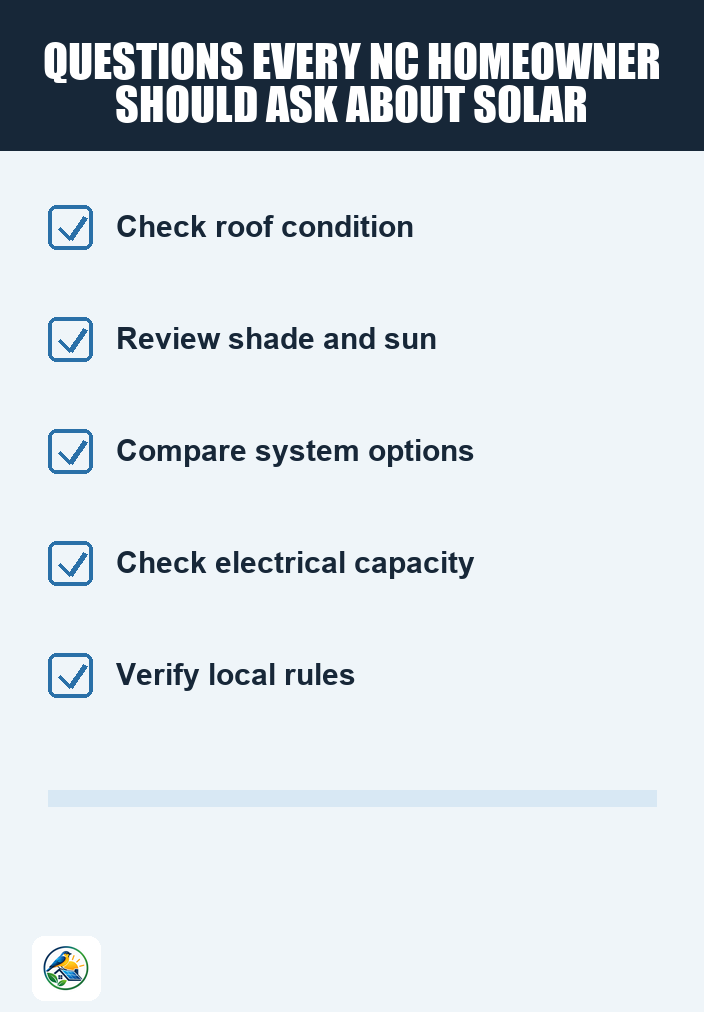
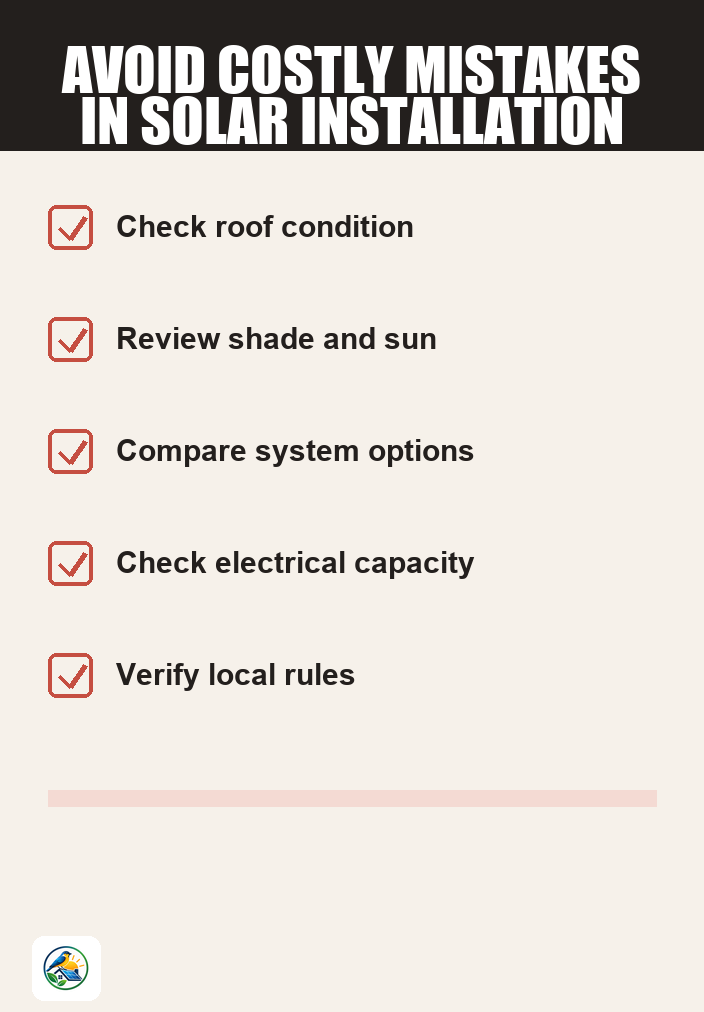
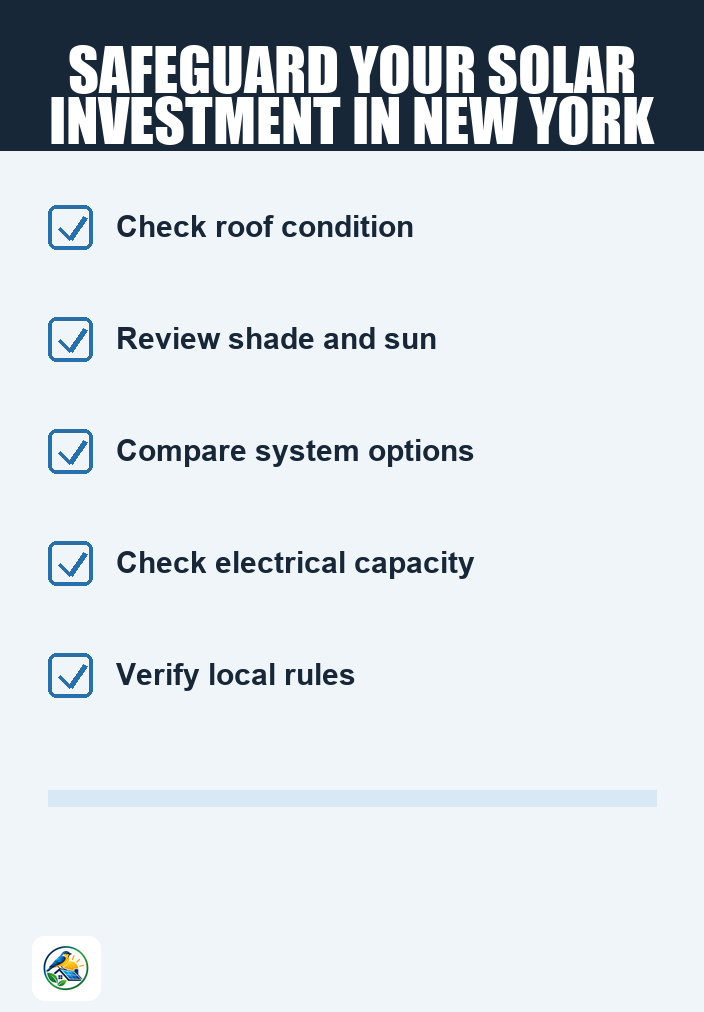
Roof Condition and Orientation
Your roof’s condition and orientation can significantly impact solar energy production. Check for:
- Roof Age: If your roof requires replacement within the next few years, consider addressing that before going solar.
- Orientation: South-facing roofs typically receive the most sunlight, but east- and west-facing roofs can also work.
- Shade Analysis: Trees, neighboring buildings, or other obstructions can reduce solar efficiency. A professional installer can conduct a shade analysis to assess your roof’s potential.
Electrical System Upgrades
Your home’s electrical system may need upgrades to accommodate a solar installation. Consider the following:
- Panel Capacity: Ensure your existing electrical panel can handle the additional load from solar.
- Wiring Condition: Older wiring may need to be replaced or upgraded for safety and efficiency.
Local Permitting and Utility Policies
Texas has varying regulations regarding solar installations. It’s essential to research:
- Permitting Requirements: Check with your local municipality for necessary permits before installation.
- Utility Policies: Understand your utility’s net metering policies and interconnection requirements for solar systems.
Exploring Financial Considerations
While solar can lead to significant long-term savings, there are various financial aspects to consider:
- Initial Costs: Assess the total installation cost, including equipment, labor, and any necessary upgrades.
- Financing Options: Explore different financing options, such as loans or leases, to determine what works best for your budget.
- Incentives and Tax Credits: Research current state and federal incentives, keeping in mind that these can change over time. Always verify the latest information.
Next Steps: Getting Started with Solar
If you’ve considered the points above and are still interested in solar energy, the next step is to gather quotes from qualified installers. Here are some practical steps:
- Research Local Installers: Look for reputable solar installers in your area with good reviews and experience.
- Request Itemized Quotes: Ensure the quotes include detailed breakdowns of equipment, labor, and any additional costs.
- Compare Offers: Evaluate the quotes not only on price but also on warranties, equipment quality, and installer reputation.
- Ask Questions: Don’t hesitate to ask potential installers about their experience, installation process, and financing options.
Choosing to go solar in Texas may be a more beneficial option than you initially thought. With careful consideration and professional guidance, you can make an informed decision that aligns with your energy needs and financial goals.