
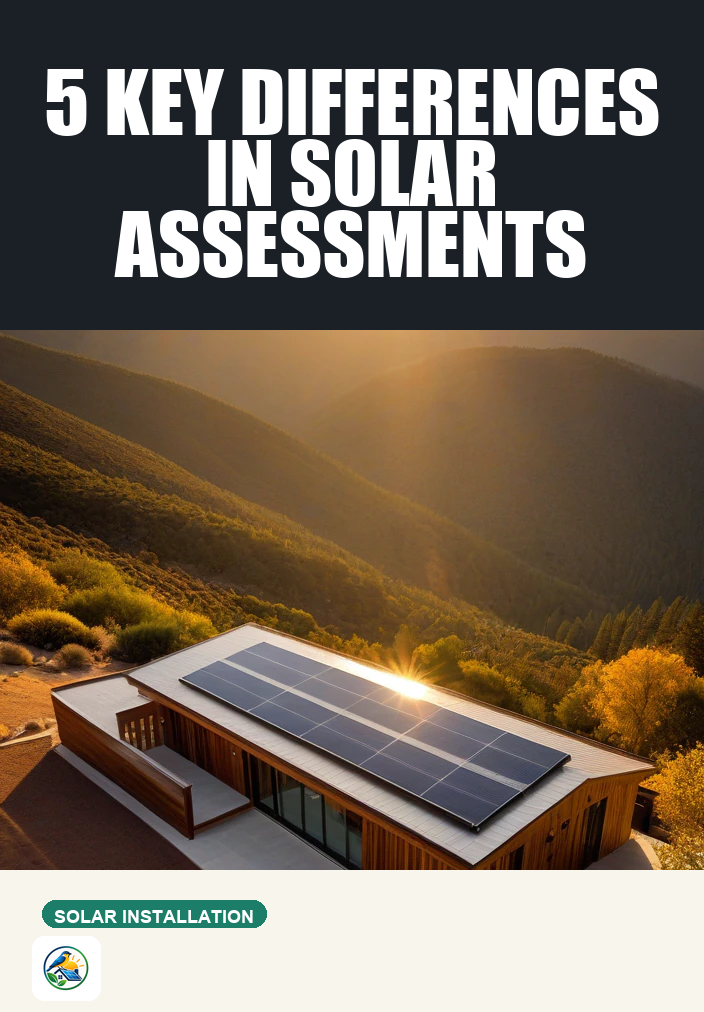
Understanding Solar Site Surveys: Professional vs. DIY Assessments
As a U.S. homeowner considering a rooftop solar system, you may find yourself at a critical crossroads: whether to conduct a solar site survey yourself or enlist the help of a professional. Both options come with their own sets of advantages and disadvantages, and understanding these can help you make an informed decision that best suits your home and energy needs.
What is a Solar Site Survey?
A solar site survey is an essential step in the process of installing a solar energy system. It involves assessing various factors that can affect the performance and efficiency of the solar panels on your roof. This includes evaluating your roof’s size, orientation, and condition, as well as analyzing shading from trees or nearby structures and understanding your home’s energy consumption patterns.
Pros and Cons of Professional Solar Site Surveys
Advantages of Professional Assessments
- Expert Knowledge: Professionals have extensive training and experience in assessing solar potential, which can lead to a more accurate evaluation.
- Safety Considerations: Climbing onto roofs can be dangerous. Professionals have the right equipment and safety protocols in place.
- Thorough Documentation: A professional will provide a detailed report that may include shading analysis, energy production estimates, and a system design tailored to your needs.
- Access to Technology: Professionals often use advanced tools, such as solar irradiance meters and software simulations, which can yield more precise data.
- Permit Assistance: Many installers will handle the necessary paperwork for permits and interconnection, streamlining the process for you.
Disadvantages of Professional Assessments
- Cost: Hiring a professional can be expensive. Assessments may range from a few hundred to over a thousand dollars, depending on the complexity.
- Inconvenience: Scheduling a professional visit may take time, particularly if they are in high demand.
Pros and Cons of DIY Solar Site Surveys
Advantages of DIY Assessments
- Cost-Effective: Conducting your own survey can save you money, allowing you to allocate funds to other aspects of your solar project.
- Immediate Results: You can perform the survey at your convenience, eliminating the need to wait for a professional’s availability.
- Personal Engagement: By doing the survey yourself, you gain a better understanding of your property and its solar potential.
Disadvantages of DIY Assessments
- Limited Expertise: Without formal training, you may overlook critical factors affecting solar performance or misinterpret your findings.
- Safety Risks: Climbing onto your roof can be hazardous, especially if you lack the proper safety gear or experience.
- Inaccurate Data: Your assessment might not accurately reflect your home’s solar potential, leading to misguided expectations about energy production.
Key Considerations for Homeowners
Before deciding on a professional or DIY approach, consider the following factors:
1. Roof Condition
Inspect your roof for any damage, age, or structural issues. A professional might be better equipped to identify potential problems that could affect the installation or lifespan of your solar system.
2. Shading Analysis
Consider nearby trees or buildings that could cast shadows on your roof. While you can assess shading using tools like a smartphone app, professionals often have more sophisticated methods to evaluate its impact accurately.
3. Roof Orientation and Pitch
South-facing roofs typically yield the best solar energy production. Assessing your roof’s orientation and pitch is essential for understanding its solar potential.
4. Local Regulations and Permitting
Familiarize yourself with local zoning laws and permitting processes. Professionals often navigate these regulations more efficiently, which can save you time and headaches.
5. Your Energy Needs
Understanding your home’s energy consumption will help you determine the size of the solar system you need. A professional can provide insights based on your current usage and future energy plans.
When to Consider a Professional Installer Quote
Even if you opt for a DIY assessment, it may be beneficial to obtain a quote from a professional installer. Here are some situations where this is particularly important:
- You’re unsure about the structural integrity of your roof.
- You want an accurate estimate of system size and energy production.
- You’re considering a battery backup system, which may require specialized knowledge.
- You need assistance with financing options or local incentives.
Conclusion: Making the Right Choice for Your Solar Journey
Ultimately, the decision between a professional and DIY solar site survey depends on your unique circumstances, including your comfort level with assessments, your roof’s condition, and your budget. Both paths offer valuable insights, but they come with different levels of expertise and investment.
Next Steps
To make an informed choice, consider comparing itemized quotes from qualified solar installers. This will give you a clearer picture of what to expect in terms of costs and services. Be sure to verify current local utility, installer, government, and tax information to ensure you have the most accurate and up-to-date knowledge as you embark on your solar journey.


















