
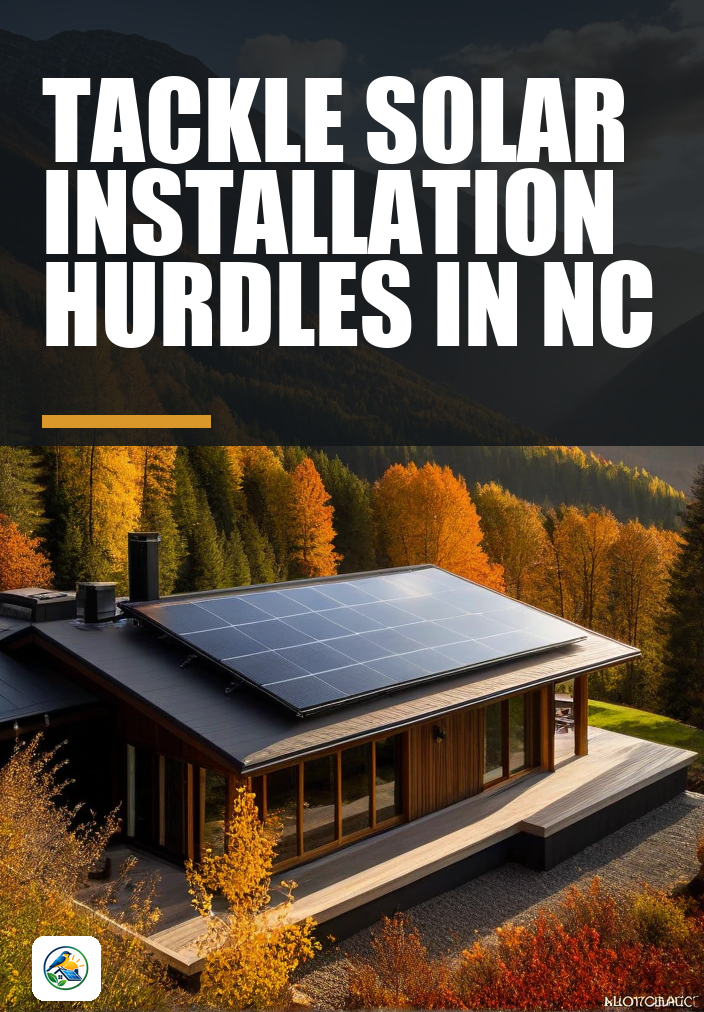
Understanding the Solar Installation Process in North Carolina
As a homeowner in North Carolina considering a residential solar installation, it’s essential to be aware of the unique challenges and opportunities associated with going solar. While many residents are drawn to solar energy for its potential benefits, the path to installation can be complex. This article aims to guide you through common challenges and considerations you may encounter during the preparation phase for a solar installation.
Assessing Your Home’s Suitability for Solar Energy
The first step in preparing for solar installation is evaluating whether your home is suitable for solar panels. Several factors influence this assessment:
- Roof Condition: Ensure your roof is in good shape before installation. If your roof needs repairs or replacement, address these issues first.
- Roof Orientation and Angle: South-facing roofs typically receive the most sunlight. However, east and west orientations can also work depending on your energy needs and local climate.
- Shade from Trees or Buildings: Trees or neighboring structures can block sunlight. Consider the amount of shade your roof receives throughout the day, especially in winter when the sun is lower in the sky.
- Space Availability: Sufficient space is required for the solar panels. Ensure there’s enough unobstructed area on your roof or consider ground-mounted options.
Understanding Local Regulations and Permitting Requirements
North Carolina has specific regulations regarding solar installations. Familiarizing yourself with local zoning laws and permitting requirements can save you time and frustration. Here are key points to consider:
- Permitting Process: Most installations require permits. Check with your local government or homeowners’ association for any specific rules.
- Interconnection Standards: Understand how to connect your solar system to the grid. Your utility company will have regulations regarding interconnection, which is necessary for net metering.
- Homeowners’ Association (HOA) Guidelines: If you live in a community governed by an HOA, review their rules regarding solar installations. Some HOAs may have restrictions on panel placement or aesthetics.
Evaluating Financial Considerations for Solar Installation
Financial considerations are paramount when deciding to install a solar system. While many homeowners are attracted to the idea of saving on energy costs, it’s crucial to evaluate your financial situation:
- Initial Costs: Solar installation can require a significant upfront investment. Gather itemized quotes from multiple installers to compare pricing accurately.
- Financing Options: Explore financing options such as loans, leases, or power purchase agreements (PPAs). Each option has unique pros and cons that impact your overall financial commitment.
- Incentives and Tax Credits: Research available local, state, and federal incentives. It’s essential to verify current incentives, as they can change frequently.
- Long-Term Value: Consider how long you plan to stay in your home. If you’re planning to move soon, a solar installation may not provide the expected return on investment.
Choosing Between Grid-Tied, Battery Backup, and Off-Grid Systems
When preparing for solar installation, it’s crucial to understand the different types of solar systems available:
- Grid-Tied Systems: These systems are connected to the utility grid and allow for net metering, where excess energy produced is credited back to your account. This is typically the most cost-effective option for homeowners.
- Battery Backup Systems: Adding a battery storage system enables you to store excess energy for use during outages or nighttime. This offers greater energy independence but comes with higher upfront costs.
- Off-Grid Systems: These systems are not connected to the utility grid and require sufficient energy storage capacity to meet all your energy needs. They are more complex and expensive but may be suitable for remote locations.
Working with Professional Installers
Choosing a qualified solar installer is a critical step in the installation process. Here are some tips for selecting the right professional for your project:
- Research Credentials: Look for installers with experience in residential solar systems. Check for licenses, certifications, and industry memberships.
- Read Reviews: Customer reviews and testimonials can provide insight into the installer’s reliability and quality of work.
- Get Multiple Quotes: Obtaining quotes from various installers allows you to compare pricing, equipment, and services. Ensure the quotes are itemized for clarity.
- Ask Questions: Don’t hesitate to ask potential installers about their installation process, warranties, and ongoing support.
Preparing for Installation Day
Once you’ve chosen an installer and secured your permits, prepare for installation day to ensure a smooth process. Here are some practical steps:
- Clear the Work Area: Make sure the installation area is accessible. Remove any obstacles like vehicles or outdoor furniture.
- Communicate with Your Installer: Discuss any specific concerns or questions you have with your installer ahead of time.
- Understand the Timeline: Ask about the expected timeline for installation and any necessary follow-up visits.
Next Steps for North Carolina Homeowners Considering Solar
Preparing for solar installation in North Carolina involves careful consideration of your home’s suitability, financial implications, and the regulatory landscape. To get started, gather information on your local utility’s policies, explore financing options, and compare itemized quotes from qualified installers. By doing so, you can make an informed decision that aligns with your energy goals.


















