
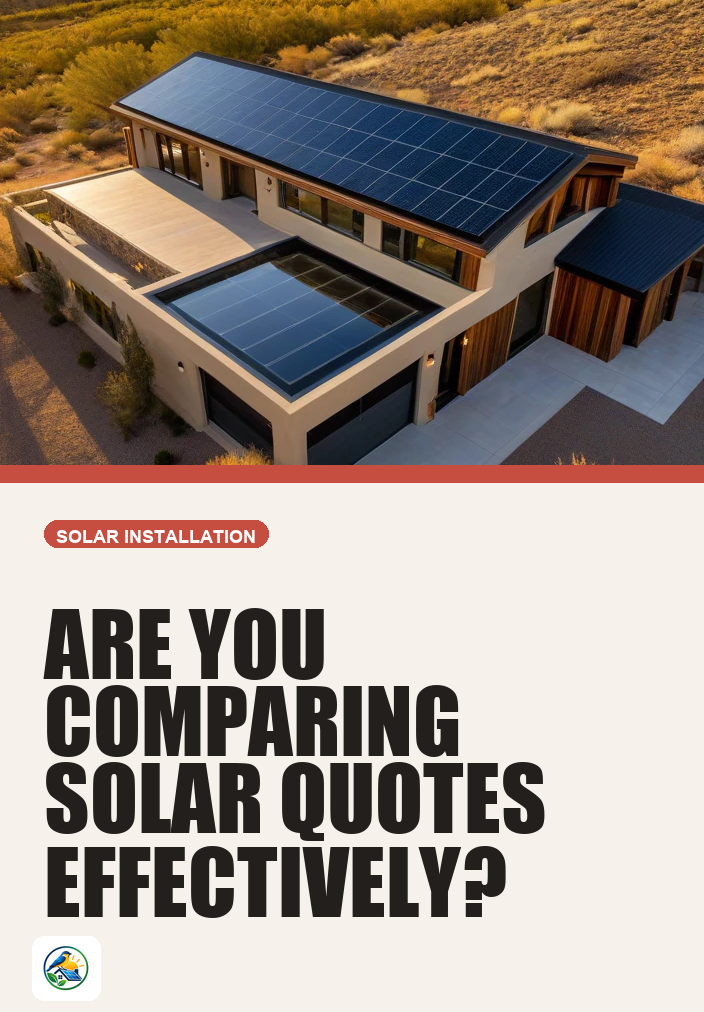
Understanding Your Solar Quotes: Key Questions to Ask
Considering a solar installation for your home is a significant decision that involves both financial and technical considerations. When you receive multiple quotes from different solar installers, it’s essential to ensure you’re comparing apples to apples. Here are eight key questions to ask that will help you make informed decisions about your solar investment.
1. What Type of Solar System is Recommended for My Home?
Solar systems can generally be categorized into three types: grid-tied systems, battery backup systems, and off-grid systems. A grid-tied system connects directly to the utility grid and is the most common choice for homeowners. Battery backup systems, however, can store energy for use during outages, while off-grid systems are entirely independent of the grid but require more significant investment and maintenance.
Ask each installer to explain why they recommend a particular system for your home. Factors such as your energy needs, roof orientation, and local utility policies can influence their recommendations.
2. What Equipment Will Be Used in My Installation?
Understanding the components of your solar system is crucial. Inquire about the type of solar panels, inverters, and, if applicable, batteries that will be used. The quality and efficiency of these components can significantly affect the performance of your system.
Ask for details such as:
- Panel efficiency ratings
- Inverter types (string, microinverters, etc.)
- Battery capacity and technology
Make sure to compare the equipment specifications across all quotes to ensure you are making an informed decision.
3. How Much Energy Will the System Produce?
While every home is unique, an installer should provide an estimate of the energy production based on your location, roof size, and orientation. This estimate is typically given in kilowatt-hours (kWh) per year and helps you understand how much of your electricity needs the solar system will cover.
Ask each installer how they calculated their energy production estimates. Look for details on factors like shading, roof pitch, and geographic location that may affect the actual output.
4. What Are the Total Costs Involved?
The total cost of a solar installation can vary widely based on system size, equipment quality, and installation complexity. Make sure to get a detailed breakdown of costs, including:
- Equipment costs
- Installation labor
- Permitting and interconnection fees
- Any optional add-ons, such as battery storage
Comparing itemized quotes will help you see where the costs differ and identify any hidden fees.
5. What Financing Options Are Available?
Solar installations can be financed in several ways. Options may include purchasing the system outright, taking out a loan, or entering into a solar lease or power purchase agreement (PPA). Each option has different implications for ownership, tax benefits, and monthly payments.
Ask installers about the financing options they offer, the terms associated with each, and whether they can help you navigate any available incentives or rebates specific to your location.
6. What Warranties and Maintenance Services Are Provided?
Warranties provide essential protection for your investment. Inquire about warranties for both the equipment and the installation work. Typical warranties to look for include:
- Panel performance warranties (often 25 years)
- Product warranties (typically 10-25 years)
- Installation workmanship warranties (often 1-10 years)
Additionally, ask if they offer ongoing maintenance services or monitoring systems to track performance and manage any issues that might arise.
7. How Will the Installation Process Work?
The installation process can vary significantly between installers. It’s essential to understand the timeline, from permitting to installation and interconnection. Ask about:
- Expected start and completion dates
- Any required permits and how long they typically take
- How many crew members will be involved in the installation
Having a clear understanding of the process can help you set expectations and plan accordingly.
8. What Happens After Installation?
Once your solar system is installed, there are still important considerations regarding monitoring, maintenance, and utility interconnection. Inquire about:
- How performance will be monitored
- What actions to take if there are performance issues
- How to integrate the system with your utility provider
Understanding the post-installation support ensures you have a plan in place for maximizing the benefits of your solar system.
Next Steps: Making an Informed Decision
Receiving multiple quotes for your solar installation is a critical step in deciding whether solar fits your home. By asking these key questions, you can better understand each proposal, the systems being offered, and how they align with your energy needs and budget.
Remember to compare itemized quotes from qualified installers, taking the time to evaluate not just the total costs but also the quality of equipment and services provided. This thorough approach will help you make a well-informed decision about your solar investment.


















