Understanding Cash vs. Solar Loans for Your Rooftop Solar System
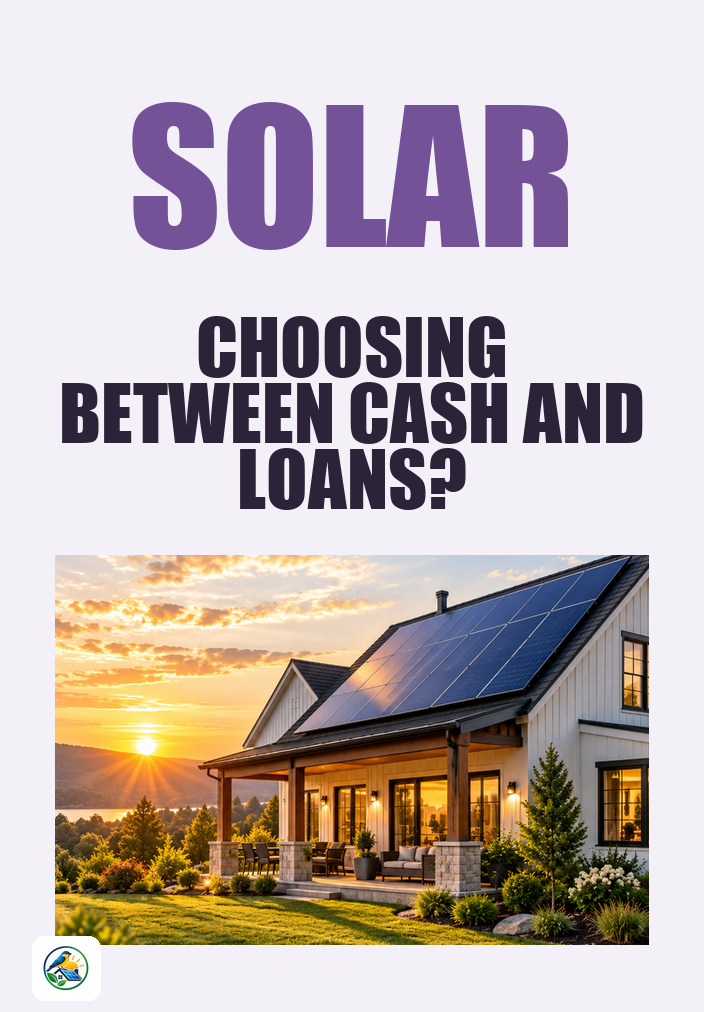
When considering a residential rooftop solar system, one crucial decision involves how to finance the installation. Two primary options are paying cash outright or taking out a solar loan. Each choice has its trade-offs and implications for savings, making it essential for homeowners to evaluate which option might maximize their financial benefits. This article will explore the key differences between cash purchases and solar loans, helping you make an informed decision.
Cash Payments: Upfront Investment with Immediate Benefits
Paying cash for your solar installation can provide several immediate benefits. When you choose to pay upfront, you avoid the long-term interest costs associated with loans, potentially maximizing your overall savings from solar energy. Here are some key considerations:
- No Interest Costs: With a cash purchase, you won’t incur interest payments that can add to your total expenditure over time.
- Immediate Savings: By owning your system outright, you can start benefitting from energy savings immediately, depending on your local electricity rates.
- Increased Property Value: Many homeowners find that a solar energy system can enhance their property value, making it a potentially worthwhile investment.
- Tax Incentives: If available in your area, you may be eligible for federal or state tax incentives, which can further reduce your overall investment.
Considerations for Cash Purchases
While paying cash may seem advantageous, there are certain considerations to keep in mind:
- Upfront Cost: The initial outlay for a solar system can be significant, which may not be feasible for all homeowners.
- Opportunity Cost: Investing a large sum in solar means that money is not available for other investments or emergencies.
- Installation Quality: Since you are paying upfront, it’s crucial to ensure you’re working with a reputable installer to avoid issues down the line.
Solar Loans: Financing Flexibility with Future Savings
Opting for a solar loan can provide homeowners with more flexibility than a cash purchase. Solar loans can come in various forms, including secured and unsecured loans, each with its own terms and interest rates. Here are some advantages:
- Lower Upfront Costs: A solar loan allows you to install solar without the burden of a large initial payment, making it accessible for more homeowners.
- Spread Payments Over Time: Monthly payments can help manage cash flow, allowing homeowners to budget effectively.
- Potential for Immediate Savings: Depending on the loan structure, your monthly energy savings may exceed your loan payments, allowing for positive cash flow.
- Options for Battery Systems: Many solar loan programs include financing for battery storage systems, which can enhance energy independence.
Considerations for Solar Loans
Despite the benefits, solar loans come with their own set of challenges:
- Interest Costs: Unlike a cash purchase, loans accrue interest, which can increase the total cost of your solar system over time.
- Credit Requirements: Qualifying for a loan often depends on your credit history, which may affect your financing options and rates.
- Loan Terms: The terms of your loan, including duration and monthly payments, should be carefully reviewed to ensure they align with your financial goals.
- Potential for Debt: Taking out a loan increases your debt load, which can impact your financial stability if not managed properly.
Comparing Cash vs. Solar Loans: Key Factors to Consider
When deciding between cash and a solar loan, consider the following factors:
- Financial Situation: Assess your current financial health, including savings, income, and expenses. Can you afford to pay cash without compromising your financial stability?
- Energy Needs: Evaluate your energy consumption and how much you could potentially save on your electricity bills with solar.
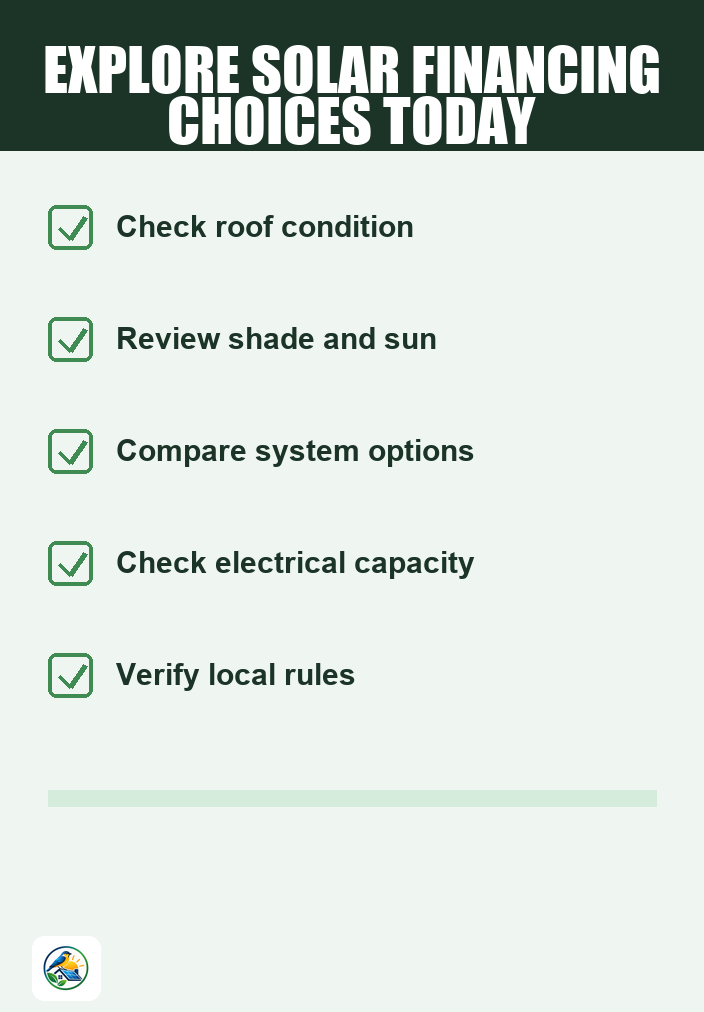
- Installer Quotes: Obtain quotes from qualified solar installers to understand the total costs and savings potential for both financing options.
- Local Incentives: Research available incentives in your area that may influence your decision, such as tax credits or rebates.
Practical Example: A Hypothetical Scenario
To illustrate the decision-making process, let’s consider a hypothetical homeowner, Jane. Jane wants to install a solar system that costs $20,000. She has two options:
- Cash Purchase: Jane pays the full amount upfront, eliminating interest costs. She begins saving on her electric bill immediately.
- Solar Loan: Alternatively, Jane opts for a 10-year solar loan at a 6% interest rate. Her monthly payments total $220, and she saves $250 monthly on her electric bill, leading to a positive cash flow of $30 each month.
This simplified example illustrates how both options can lead to savings, but the financing choice impacts immediate cash flow and long-term costs. Jane will need to weigh her financial comfort level and long-term goals when deciding.
Next Steps: Making an Informed Decision
Deciding between cash and solar loans involves careful consideration of your financial situation, potential savings, and long-term goals. Here’s a practical next step:
- Consult with qualified solar installers to obtain itemized quotes that detail installation costs, potential savings, and financing options.
- Evaluate the terms and interest rates of any loan options available to you.
- Consider your financial flexibility and how each option aligns with your budget and energy needs.
Ultimately, both cash and solar loans have their pros and cons. By carefully analyzing your situation and seeking professional advice, you can make the best decision for your home and financial future.