
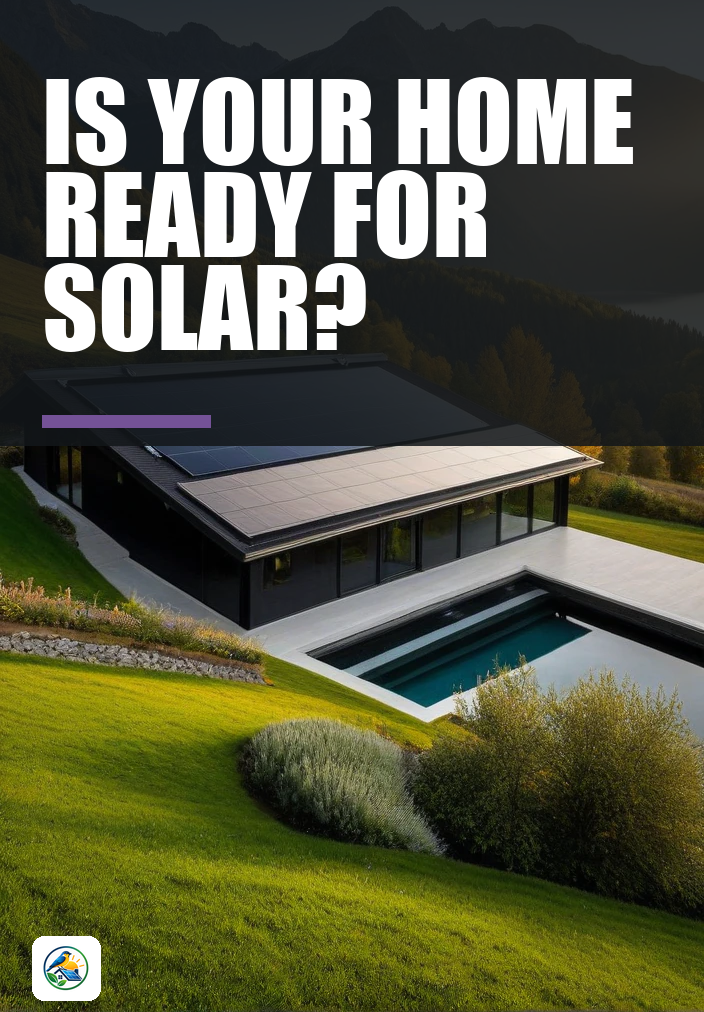
Understanding Solar Installation Without Major Electrical Upgrades
As homeowners explore renewable energy options, many are drawn to the idea of solar power. However, the thought of potentially needing extensive electrical upgrades can deter some from making the switch. The good news is that many homes can successfully accommodate solar installations without significant electrical modifications. This article will guide you through your options, considerations, and practical steps to transform your home with solar energy.
Assessing Your Home’s Readiness for Solar
Before diving into the specifics of solar installation, it’s essential to evaluate your home’s current electrical setup and roof conditions. Here are some key factors to consider:
- Roof Condition: Ensure your roof is in good shape and can support solar panels. If your roof needs repairs, consider addressing these before installation.
- Shade and Orientation: Evaluate the amount of sunlight your roof receives. Ideally, solar panels should be installed on south-facing roofs that are free from shade caused by trees or nearby buildings.
- Roof Type: Different roofing materials and styles can affect installation. Some roofs may require specialized mounting systems.
Types of Solar Systems and Their Impact on Electrical Needs
Understanding the type of solar system you want is crucial. The two primary options are grid-tied systems and off-grid systems, along with the possibility of including a battery backup.
Grid-Tied Solar Systems
Grid-tied systems are the most common for residential solar installations. They connect directly to the local utility grid, allowing homeowners to draw power from the grid when solar production is low and sell excess power back to the utility. These systems typically do not require major electrical upgrades unless your home’s electrical panel cannot handle the additional load.
Battery Backup Systems
Adding a battery backup system can enhance your energy independence by storing excess energy for use during outages or at night. However, incorporating a battery may necessitate some electrical upgrades, especially if your existing panel lacks sufficient capacity to manage both solar input and battery output.
Off-Grid Systems
Off-grid systems are designed for homes not connected to the utility grid. These systems rely entirely on solar energy and require larger battery banks for storage. Because they are self-sufficient, off-grid systems typically require more extensive electrical considerations to ensure reliable energy supply.
When Major Electrical Upgrades Are Necessary
While many homes can support solar installations without substantial electrical work, certain scenarios may require upgrades:
- Old Electrical Panels: If your panel is outdated or has a lower amperage rating, it may need replacement to accommodate solar output.
- Wiring Issues: If your home has outdated or damaged wiring, this might need upgrading to ensure safety and efficiency.
- Increased Energy Demand: If you plan to add appliances or electrical equipment that significantly increases your energy consumption, an upgrade may be necessary.
Choosing the Right Installer
Selecting a qualified solar installer is critical to ensuring a smooth installation process. Here are some practical steps to help you choose the right professional:
- Research Local Installers: Look for companies with a strong reputation and positive reviews in your area.
- Request Quotes: Obtain itemized quotes from multiple installers. This will help you understand the costs involved and the solutions each installer proposes.
- Check Credentials: Ensure the installers are licensed, insured, and certified by relevant authorities.
- Ask About Electrical Needs: Discuss your home’s electrical setup with potential installers to gauge their understanding of your specific situation.
Practical Next Steps for Homeowners
Taking the leap into solar energy can seem daunting, but breaking it down into manageable steps can simplify the process:
- Conduct a Home Assessment: Evaluate your roof and electrical setup to determine feasibility.
- Consult with Professionals: Engage with qualified solar installers to get a better understanding of your specific needs and potential upgrades.
- Review Incentives: Research available local incentives or federal tax credits for solar installation, ensuring your information is up-to-date.
- Compare Quotes: Analyze itemized quotes from different installers to make an informed decision.
By considering these factors and steps, you can confidently explore the possibility of installing solar panels without the worry of extensive electrical upgrades. Every home is unique, so take the time to gather information and consult with professionals to determine the best approach for your situation.


















