
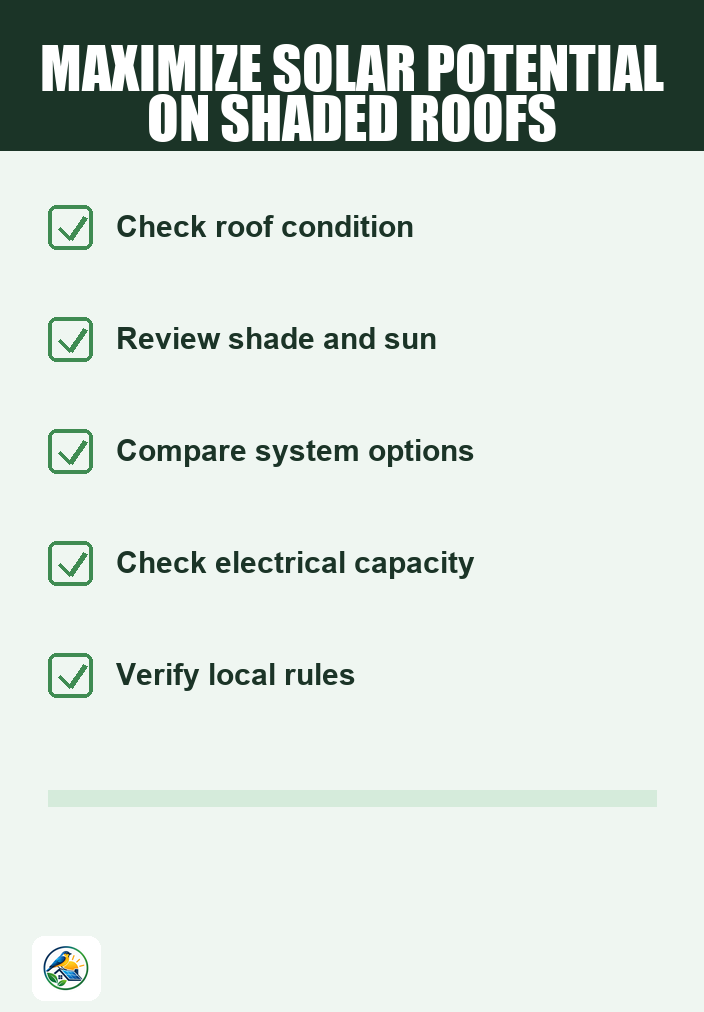
Shaded Roofs: Why Solar Can Still Shine for Your Home
If you’re a homeowner considering solar energy, you might be under the impression that a shaded roof is a deal-breaker. While it’s true that solar panels perform best in direct sunlight, it’s essential to understand that they can still be a viable option even for homes with partial shade. In this article, we’ll explore how shaded roofs can still accommodate solar installations, the trade-offs involved, and the considerations you should keep in mind as you evaluate your options.
Understanding the Impact of Shade on Solar Panels
It’s crucial to grasp how shade affects solar panel performance. Solar panels generate electricity by converting sunlight into energy, so shading can reduce their efficiency. However, several factors influence how much shade affects your system:
- Type of Shade: Is it constant or intermittent? Trees, buildings, and other obstructions can create different shading patterns throughout the day.
- Panel Placement: The location of the panels can mitigate some shading issues. Panels placed on less shaded sections of your roof or on a different structure may perform better.
- Panel Technology: Some solar panels are designed to perform better in shaded conditions. These panels might be more suitable for homes with significant tree cover or obstructions.
Strategies to Optimize Solar Performance on Shaded Roofs
Even if your roof has some shade, there are strategies you can employ to make solar work for you:
1. Select the Right Equipment
Choosing high-efficiency solar panels can help maximize energy production, even in less-than-ideal conditions. Look for panels with better performance ratings in shaded environments. Additionally, consider investing in microinverters or power optimizers, which can help mitigate the effects of shading by allowing each panel to operate independently.
2. Evaluate Roof Orientation and Tilt
The orientation and tilt of your roof play a significant role in solar efficiency. South-facing roofs typically receive the most sunlight, but east and west-facing roofs can still be effective. If your roof is shaded, you might want to explore other areas of your property for panel installation, such as ground mounts or carports.
3. Trim Trees and Clear Obstructions
Regular maintenance is essential for optimal performance. If trees or other obstructions are causing shade on your solar panels, consider trimming them back or removing them if possible. This can significantly improve the amount of sunlight your panels receive.
Understanding Trade-Offs and Considerations
While solar panels can still be a good fit for shaded roofs, there are trade-offs and considerations to keep in mind:
- Initial Cost: While solar technology continues to become more affordable, the upfront cost can still be significant. Getting quotes from multiple installers can help you compare prices and find the best deal for your situation.
- Roof Condition: Ensure your roof is in good condition before installation. If your roof needs repairs or replacement, it’s best to address those issues first, as solar panels can last for decades.
- Battery Backup Options: If you’re considering a home battery, keep in mind that batteries can help store energy produced during sunny periods for use during shaded times. However, battery systems come with their own costs and considerations.
- Local Regulations: Permitting and interconnection rules can vary widely based on location. Make sure you understand the regulations in your area, as they can affect installation timelines and costs.
The Benefits of Going Solar Regardless of Shade
Even with a shaded roof, there are still compelling reasons to consider solar energy:
- Environmental Impact: Solar energy is a clean, renewable resource that reduces your carbon footprint and reliance on fossil fuels.
- Energy Independence: Generating your own electricity can help protect you from rising utility costs and provide peace of mind during outages.
When to Get a Professional Installer Quote
Getting quotes from professional solar installers is an essential step in your solar journey. An experienced installer can assess your roof, discuss shading concerns, and provide tailored recommendations based on your specific situation. They can also help you navigate local regulations and available incentives, ensuring you have a comprehensive understanding of your options.
When seeking quotes, be sure to request itemized estimates that break down the costs associated with equipment, installation, and any additional services. This will help you compare offers more effectively.
Next Steps: Evaluating Solar for Your Shaded Roof
While a shaded roof may complicate your solar plans, it certainly doesn’t eliminate them. By understanding the potential impacts of shade, exploring equipment options, and considering various strategies, you can determine whether solar is a suitable choice for your home.
As you move forward, make sure to compare itemized quotes from qualified installers in your area. Verify any current incentives or tax credits that may be available to you, and don’t hesitate to reach out to multiple installers for their insights and recommendations. With careful consideration and the right information, your shaded roof can still shine with solar energy.


















