
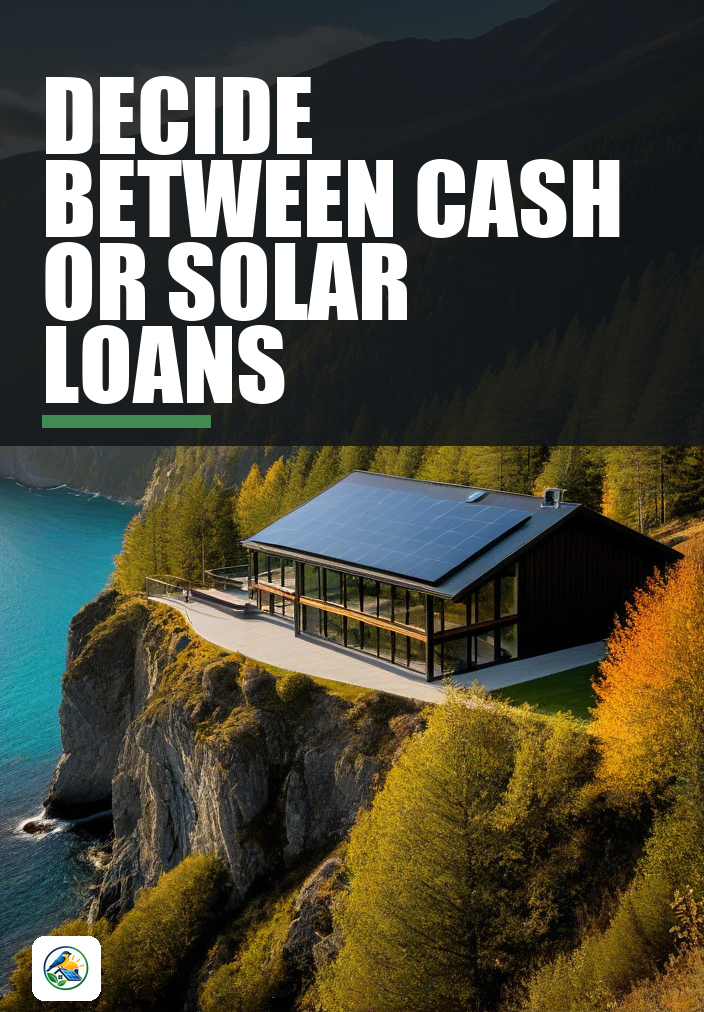
Understanding Your Financing Options: Cash vs. Solar Loans
When considering a residential rooftop solar system, one of the first decisions homeowners face is how to finance the installation. The two primary options are paying with cash or taking out a solar loan. Each option has its own set of advantages, disadvantages, and considerations that can significantly impact your financial situation and energy goals.
Cash Payment: The Simple Choice
Paying for your solar system in cash is straightforward. You make a one-time payment, and the system becomes yours outright. Here are some key benefits and drawbacks of this financing option:
Benefits of Cash Payment
- No Ongoing Payments: Once you pay in full, you won’t have any monthly repayments, allowing for better budget management.
- Immediate Ownership: You own your solar system from day one, giving you full control over its operation and any potential tax benefits.
- No Interest Costs: Paying in cash avoids interest charges associated with loans, which can save you money in the long run.
- Potential for Higher Savings: Without financing costs, more of your savings from lower energy bills go directly into your pocket.
Drawbacks of Cash Payment
- High Upfront Cost: The initial outlay can be significant, which may not be feasible for all homeowners.
- Opportunity Cost: Cash used for solar installations could have been invested elsewhere, potentially yielding higher returns.
- Impact on Liquidity: Tying up cash in a solar system may limit your financial flexibility for other expenses or emergencies.
Solar Loans: Spreading Out the Costs
Solar loans allow homeowners to finance their solar systems over a set period, typically ranging from 5 to 20 years. This option can make solar more accessible for those who may not have the cash available upfront.
Benefits of Solar Loans
- Lower Upfront Cost: Solar loans reduce the initial financial barrier, allowing more homeowners to install solar systems.
- Possible Tax Benefits: Many loans allow homeowners to take advantage of tax credits and incentives even while making monthly payments.
- Fixed Monthly Payments: Solar loans often come with fixed rates, making it easier to budget for monthly expenses.
- Potential for Immediate Savings: Depending on your loan structure, you might start saving on energy bills immediately, even while paying off the loan.
Drawbacks of Solar Loans
- Interest Costs: Loans come with interest, which can increase the total cost of your solar system over time.
- Long-Term Commitment: Committing to a loan means you’ll have a monthly payment for years, which can impact your budget.
- Credit Considerations: Financing options may depend on your credit score, affecting loan approval and terms.
Key Considerations When Choosing Between Cash and Solar Loans
Before deciding which financing option is right for you, consider the following factors:
1. Financial Situation
Assess your current financial health. Do you have enough savings to pay in cash without impacting your emergency fund? Or would a loan be a more manageable option?
2. Energy Needs and System Size
Evaluate your energy needs and the size of the solar system you require. Larger systems may require substantial cash upfront, pushing some homeowners towards financing.
3. Incentives and Tax Credits
Incentives can vary significantly by location and might affect your financing decision. Consult with a tax professional or local authority to understand current programs that could impact your total costs.
4. Future Plans
Consider how long you plan to stay in your home. If you intend to move soon, the decision may sway towards cash, as you can recoup more of your investment through savings or a higher property value.
5. Maintenance and Upgrades
Think about the potential costs of maintaining and upgrading your solar system. Cash payments might allow you to set aside funds for future expenses, while loans could limit that flexibility.
Getting Professional Input: Quotes and Assessments
One of the most effective ways to make an informed decision is to get quotes from qualified solar installers. They can provide detailed assessments of your home, energy needs, and the costs associated with both cash and loan options.
What to Ask in Your Quote
- What is the total cost of the system, and what financing options are available?
- What warranties and maintenance services are included?
- How will the system perform in terms of energy production based on local conditions?
- What local incentives or rebates apply?
Next Steps: Making Your Decision
Choosing between cash and solar loans involves weighing your financial situation against your energy goals and preferences. Both options can lead to a successful solar installation, but the best choice depends on your unique circumstances.
Start by comparing itemized quotes from qualified installers to gain clarity on costs and financing options. Ensure you understand all terms and conditions before making a commitment. This careful evaluation will help you choose the right financing solution for your home and possibly lead to a more sustainable energy future.


















