
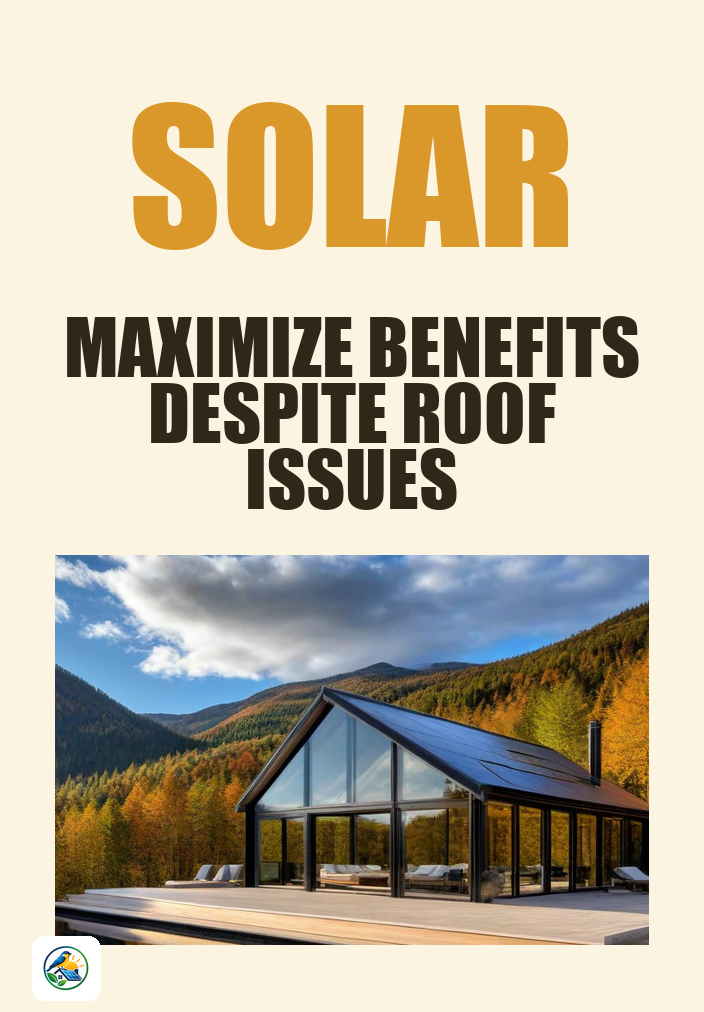
Understanding the Relationship Between Roof Condition and Solar Costs
For homeowners considering a solar installation, one of the first questions to address is the condition of the roof. A roof that is nearing the end of its lifespan can complicate the decision to install solar panels. In this article, we’ll outline a checklist for homeowners facing this dilemma, exploring the costs, options, and considerations involved in navigating solar installation when your roof is past its prime.
Assessing Your Roof’s Condition
Before diving into solar options, it’s crucial to evaluate your roof. Here are some factors to consider:
- Age: How old is your roof? Most roofs last between 20 to 30 years, depending on the material. If your roof is approaching or exceeding this range, it may need replacement.
- Visible Damage: Check for any visible wear and tear such as missing shingles, leaks, or sagging. These issues can affect both the installation and the efficiency of solar panels.
- Structural Integrity: Ensure that your roof can support the added weight of solar panels. A professional assessment can determine if any structural reinforcements are needed.
- Shading and Orientation: Analyze how trees, buildings, or other obstructions might shade your roof. A shaded roof can limit the effectiveness of solar panels.
Options for Homeowners with Aging Roofs
If your roof is showing signs of wear, you have a few options to consider before installing solar panels:
1. Roof Replacement
Replacing your roof can provide a solid foundation for solar installation. Here are some key points to keep in mind:
- Long-Term Investment: A new roof can last for decades, providing a reliable base for solar panels.
- Timing with Solar Installation: Consider scheduling the roof replacement and solar installation simultaneously to save on costs and avoid future disruptions.
- Material Choices: Different roofing materials can affect the solar installation; for instance, metal roofs can be more compatible with solar panels than traditional shingles.
2. Solar Panel Leasing
If replacing your roof is not an immediate option, you might consider leasing solar panels. Here are some considerations:
- Lower Upfront Costs: Leasing can reduce the initial financial burden, as you typically pay a monthly fee rather than an upfront installation cost.
- Ownership: Be aware that you do not own the panels, which may affect your ability to maximize tax credits or incentives.
- Lease Terms: Review lease agreements carefully, as they may include maintenance responsibilities or stipulations about roof conditions.
3. Battery Backup and Off-Grid Solutions
For homeowners considering energy independence, battery backup systems may be an option, especially if your roof is not optimal for solar:
- Energy Storage: Batteries can store energy for use during outages or at night, providing a buffer against any limitations in solar energy production.
- Off-Grid Living: If you have the means to invest in a battery system, it may allow you to reduce reliance on grid power, even if your solar setup is limited.
- Additional Costs: Be aware that battery systems can significantly increase the overall cost of your solar installation.
Tradeoffs to Consider
As you weigh your options, keep in mind the tradeoffs involved:
- Initial Investment vs. Long-Term Savings: A new roof can be costly upfront but may lead to greater savings with solar in the long run.
- Maintenance Costs: Older roofs may require more repairs, which could offset any savings from solar energy.
- Property Value: A new roof can enhance your home’s marketability and value, especially when paired with a solar installation.
Getting Professional Quotes
When you’ve determined the condition of your roof and considered your options, obtaining quotes from qualified solar installers is the next step. Here are some tips for comparing quotes:
- Itemized Estimates: Look for detailed quotes that break down costs for materials, labor, and any necessary electrical upgrades.
- Incentives and Financing Options: Ask about local incentives and financing options that might be available to you.
- Experience and Reviews: Research the installers’ reputations and customer reviews to ensure reliability and quality of service.
Next Steps for Homeowners
Navigating solar costs when your roof is past its prime can feel overwhelming, but with careful assessment and planning, you can make informed decisions. Consider the current condition of your roof, explore your options, and be diligent about getting multiple quotes from qualified installers. Remember to verify any local incentives or financing options before making your decision. By taking these steps, you can effectively evaluate how solar fits into your home’s future.


















