Understanding the Basics of Solar Installation Quotes
When considering a solar installation for your home in Colorado, comparing quotes from different installers is crucial. This process allows you to make an informed decision that aligns with your specific needs, budget, and home conditions. While the allure of solar energy often lies in potential savings and environmental benefits, it’s essential to recognize that not every solar solution is right for every homeowner.
Why Comparing Quotes is Important
Each solar installer may offer different equipment, financing options, warranties, and installation processes. By obtaining multiple quotes, you can:
- Identify variations in pricing
- Evaluate the quality of equipment and services
- Understand the terms and conditions associated with each offer
- Gauge the level of customer service and support
Ultimately, a thorough comparison empowers you to select an installer that meets your unique requirements.
Key Components to Compare in Solar Quotes
When you receive quotes from different solar companies, focus on the following key components:
1. System Size and Design
The size of the solar system will directly affect its energy production potential. Most residential systems range from 3 kW to 10 kW, depending on your energy needs and roof space.
2. Equipment Quality
Compare the types of solar panels, inverters, and mounting systems being offered. Look for:
- Panel efficiency ratings
- Inverter types (string vs. microinverters)
- Warranties and longevity
3. Installation Costs
Installation costs can vary significantly based on the complexity of the project, roof type, and location. Ensure each quote breaks down labor, equipment, and additional fees clearly.
4. Financing Options
Explore different financing options, such as outright purchases, solar loans, or leases. Each option will have different implications for your budget and ownership of the system.
5. Incentives and Rebates
Incentives can significantly affect the total cost of your solar system. Be sure to verify the current local, state, and federal incentives available to Colorado homeowners, as these can change frequently.
6. Warranty and Maintenance
Understand the warranties offered on both the equipment and the installation. Some companies offer longer warranties, which could save you money on maintenance in the long run.
7. Interconnection Process
Each utility company has its own interconnection procedures. Confirm that your installer is knowledgeable about your local utility’s requirements and can help you navigate this process.
Evaluating Your Roof and Property
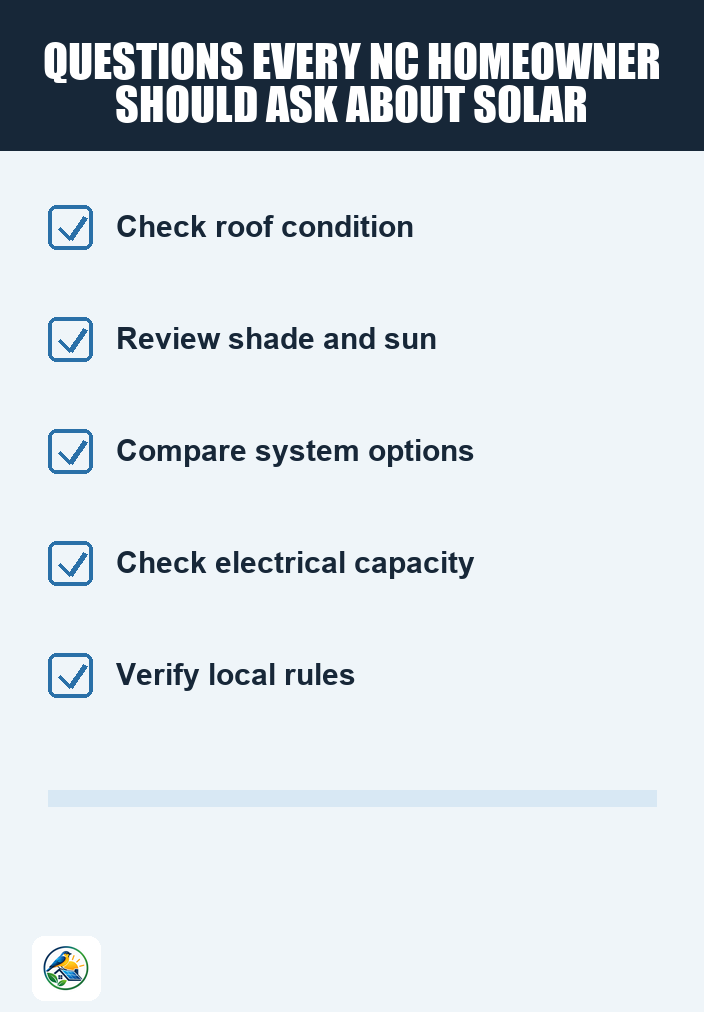
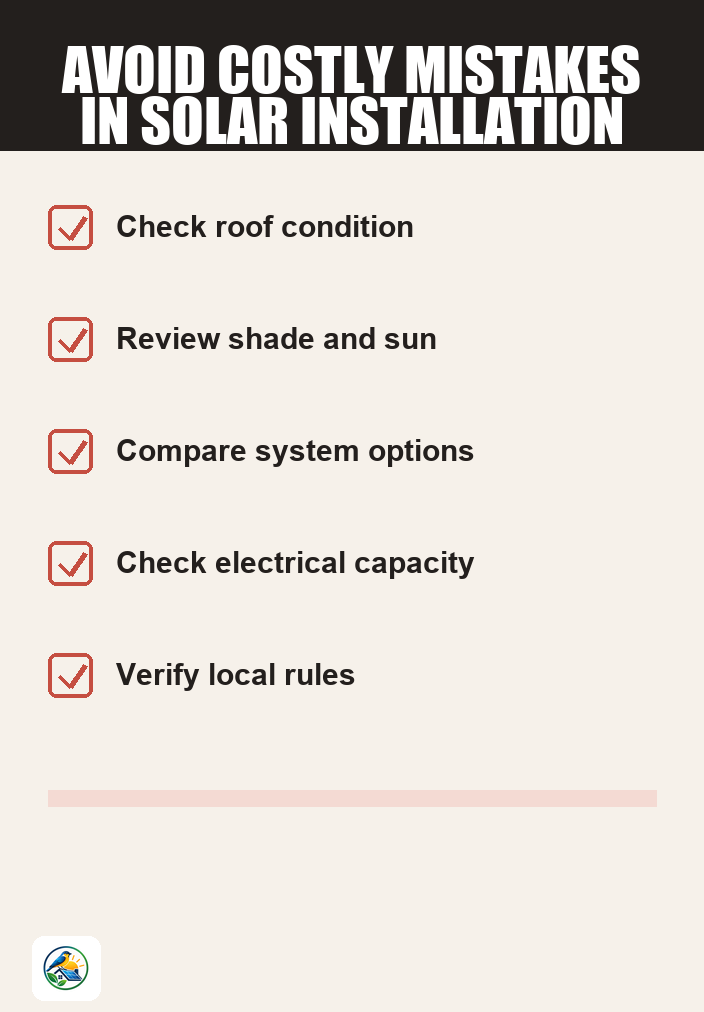
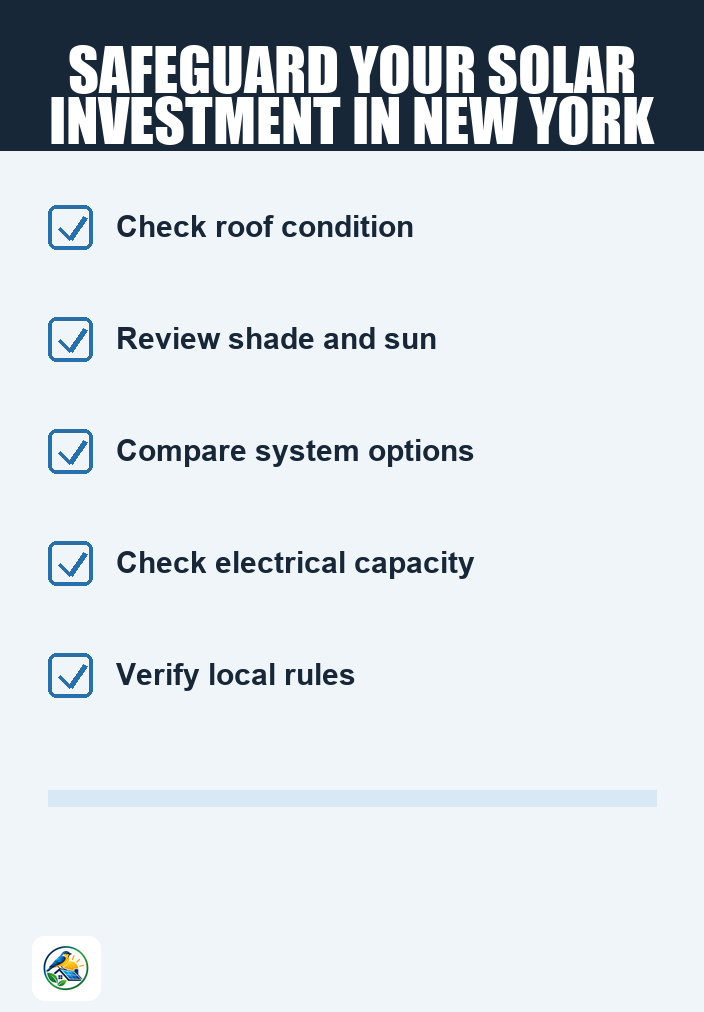
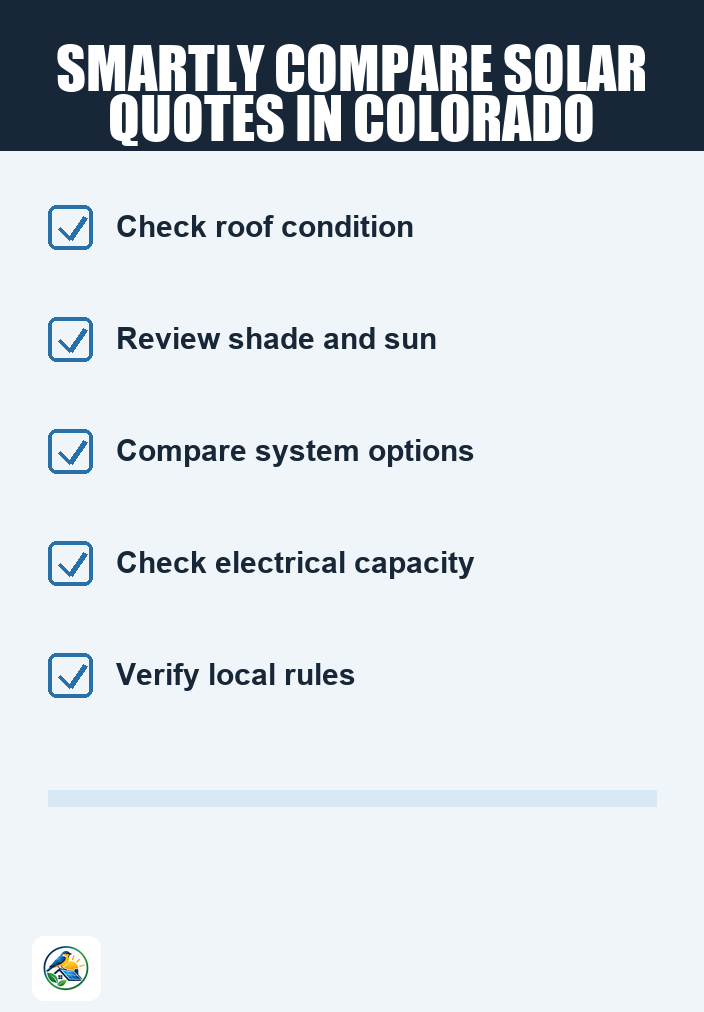
Before you dive into comparing quotes, evaluate your own property to understand how it may affect the solar installation:
- Roof Condition: Ensure that your roof is in good condition and capable of supporting solar panels. If your roof needs repairs, it’s wise to address these before installation.
- Shade Analysis: Identify any trees, buildings, or other obstructions that may cast shade on your roof. A shaded solar panel can significantly reduce its efficiency.
- Roof Orientation: South-facing roofs typically yield the best solar production, but east and west-facing roofs can also work well depending on your energy needs.
- Electrical System: Consider whether your current electrical system can support solar installation. Upgrades may be necessary, which can add to the overall cost.
Understanding Different Types of Solar Systems
When comparing quotes, it’s essential to understand the differences between various solar systems:
- Grid-Tied Systems: These systems connect directly to the utility grid and allow you to draw power when your solar panels aren’t producing electricity. They typically do not require battery storage.
- Battery Backup Systems: These systems store excess energy produced during the day for use at night or during outages. They offer added security but come with higher upfront costs.
- Off-Grid Systems: These systems are entirely independent of the utility grid, relying solely on solar power and battery storage. They require careful planning and are usually more expensive.
- Generators: Some homeowners may opt for generators as a backup power source. While not as eco-friendly as solar, they can provide electricity during extended outages.
Practical Considerations for Homeowners
As you navigate the solar installation process, keep the following considerations in mind:
- Permitting: Different municipalities have varying requirements for solar permits. Ensure your installer is familiar with local regulations.
- Utility Policies: Understand your utility’s net metering policies, which can impact how you receive credit for excess energy produced.
- Future Plans: Consider any future changes you may want to make to your home, such as renovations or expansions, which can affect your energy needs.
Next Steps: Making an Informed Decision
Once you have gathered and compared multiple quotes, take time to weigh the options carefully. Look for itemized quotes that clearly outline costs and services. This transparency will help you understand what you’re paying for and ensure you’re making a well-informed decision.
Don’t hesitate to ask installers questions about their proposals, warranty agreements, and overall approach to solar installation. A reputable installer should be willing to provide clarity and address any concerns you may have.
Remember, the goal is to find a solar solution that fits your home, lifestyle, and budget. By taking the time to compare quotes and understand the nuances of solar installation, you can confidently move forward with your energy goals.