
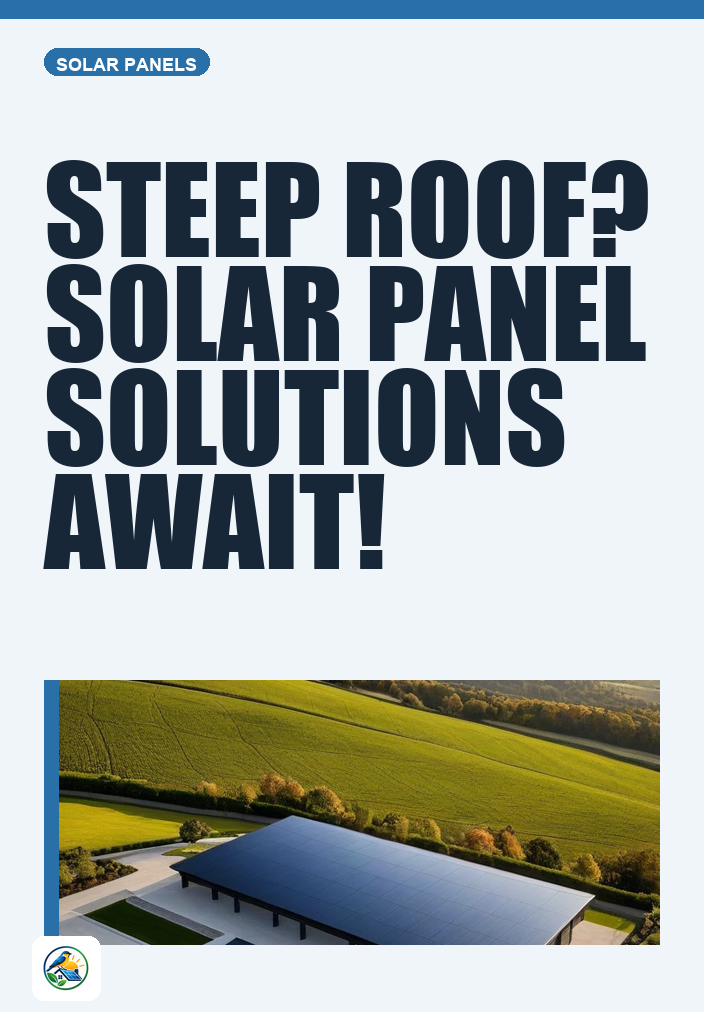
Understanding the Challenges of Installing Solar Panels on Steep Roofs
As solar energy becomes increasingly popular among homeowners, many are considering making the switch to renewable energy. For those with steep roofs, the decision to install solar panels comes with unique challenges and considerations. Understanding these factors can help you make an informed choice about whether solar is a good fit for your home.
Assessing Your Roof’s Suitability for Solar Panels
Before diving into the specifics of solar panel options, it’s essential to evaluate the characteristics of your steep roof. Here are some key considerations:
- Roof Material: The type of roofing material can impact the installation process. Common materials include asphalt shingles, metal, and tile. Each requires different mounting techniques that can affect overall costs and installation complexity.
- Roof Condition: A steep roof might be in good condition or may have existing issues such as leaks or damage. It’s crucial to ensure the roof is structurally sound before installing panels.
- Orientation and Pitch: The angle of your roof can affect solar energy production. South-facing roofs generally receive more sunlight, while steeply pitched roofs may have varying exposure throughout the day.
- Shade Factors: Nearby trees, buildings, or other structures can cast shadows on your roof, significantly reducing the efficiency of solar panels. A thorough assessment of shade patterns is essential.
Choosing the Right Solar Panel System for Your Needs
Once you’ve assessed your roof, the next step is to explore the types of solar panel systems available. Here are some options to consider:
Grid-Tied Solar Systems
Grid-tied systems are the most common residential installations. They connect directly to the utility grid, allowing homeowners to draw power from the grid when solar production is low. This type of system is typically less expensive than off-grid options and can take advantage of net metering, which credits you for the excess energy your panels produce.
Battery Backup Systems
If you want more energy independence, a battery backup system might be worth considering. These systems store excess energy produced during the day for use at night or during power outages. However, they come with higher upfront costs and may require additional space for installation.
Off-Grid Systems
For homes in remote locations or those seeking complete energy independence, off-grid systems are an option. These systems are self-sufficient, relying on a combination of solar panels and battery storage. However, they require careful planning and are not suitable for every homeowner due to their complexity and costs.
Key Trade-offs to Consider
As you explore your options, it’s important to weigh the trade-offs associated with each type of solar system:
- Cost: Installation costs can vary significantly based on system type, roof condition, and local labor rates. Be prepared for potential additional costs related to steep roof installations, which may require specialized equipment or labor.
- Efficiency: The efficiency of solar panels can be affected by the roof’s angle and orientation. Steeper roofs may have limitations on the number of panels that can be installed, which could impact energy production.
- Maintenance: Steep roofs can pose challenges for maintenance and cleaning. Accessing panels for routine maintenance might require professional help, adding to your ongoing costs.
- Permitting and Regulations: Local building codes and permitting processes can vary widely. Make sure to check with local authorities to understand any specific requirements for solar installations on steep roofs.
Evaluating Your Energy Needs and Future Plans
Understanding your energy consumption and future plans is crucial before committing to a solar panel installation. Consider the following:
- Energy Usage: Review your recent energy bills to determine your energy consumption patterns. This will help you size your solar system appropriately.
- Future Changes: If you plan to expand your home, add electric vehicles, or increase your energy consumption in other ways, factor these changes into your solar decision.
- Financing Options: Explore various financing options, including solar loans, leases, and power purchase agreements (PPAs). Each option comes with its own benefits and drawbacks.
Getting Accurate Quotes from Qualified Installers
Once you’ve evaluated your roof and energy needs, the next step is to gather quotes from qualified solar installers. Here are some tips for obtaining accurate quotes:
- Request Itemized Quotes: Ask for detailed, itemized quotes from multiple installers. This will allow you to compare costs transparently and understand what you’re paying for.
- Discuss Installation on Steep Roofs: Make sure to communicate your roof’s steepness and any unique challenges it presents to ensure accurate assessments and quotes.
- Check Credentials: Verify that installers are licensed, insured, and have experience working with steep roofs.
- Ask About Warranties: Inquire about warranties for both the solar panels and the installation work. This can provide peace of mind and protection for your investment.
Next Steps for Homeowners
Choosing solar panels for a steep roof involves careful consideration of various factors. Start by evaluating your roof’s condition and suitability for solar, then explore different solar systems and their trade-offs. Finally, gather quotes from qualified installers to ensure you have the necessary information for your decision.
Remember, every home is unique, and local utility policies, incentives, and installation costs can vary. Take the time to research and verify current information to make the best choice for your energy needs.


















