
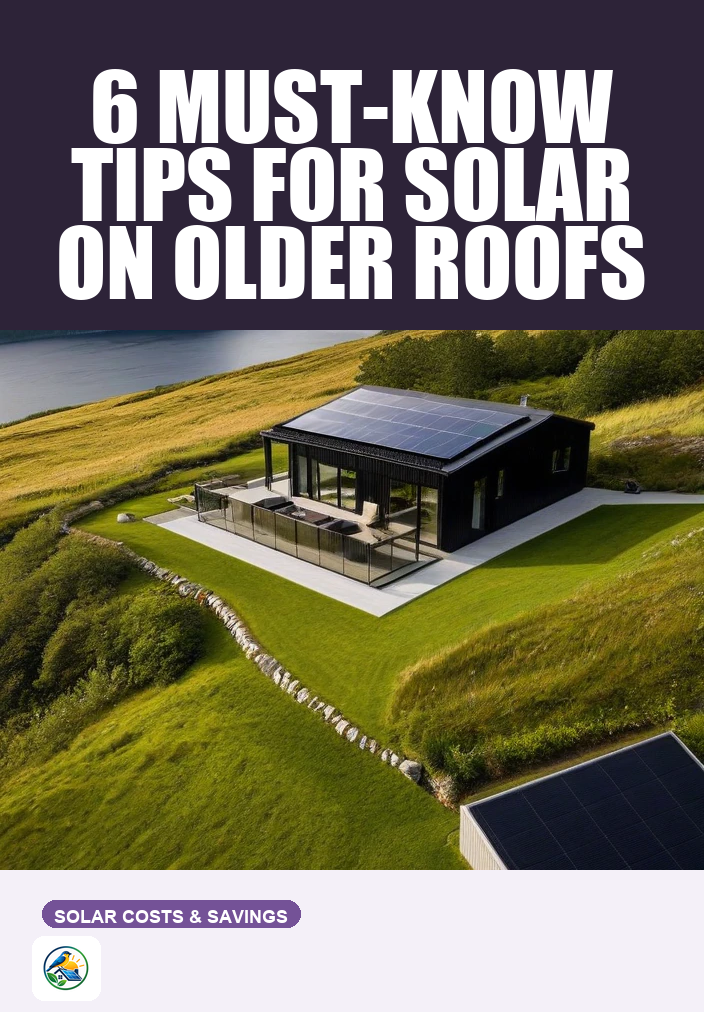
Understanding the Basics of Solar Panel Installation on Older Roofs
If you’re considering solar panel installation for your home, an older roof can present unique challenges and opportunities. Before diving into the process, it’s essential to understand how your roof’s condition, orientation, and structure might affect the installation and performance of a solar system.
Assessing Your Roof’s Condition
The first step is to evaluate your roof’s overall condition. An older roof may have wear and tear that could complicate solar panel installation. Here are a few factors to consider:
- Age: How old is your roof? Most roofs last between 20 to 30 years. If your roof is nearing the end of its lifespan, it might be wise to replace it before installing solar panels.
- Material: Different roofing materials have varying durability. Asphalt shingles, metal, and tile roofs each have distinct characteristics that could affect installation.
- Damage: Look for signs of damage, such as missing shingles, leaks, or sagging. These issues should be addressed before solar panels are installed.
- Roof Structure: The underlying structure should be able to support the weight of solar panels and mounting equipment. A structural engineer may be needed to assess this.
Understanding Roof Orientation and Shading
The orientation of your roof and the presence of shading are crucial factors in solar energy production. Here’s what to consider:
- Orientation: South-facing roofs typically receive the most sunlight throughout the day, making them ideal for solar panel installation. East and west-facing roofs can still be effective but may produce slightly less energy.
- Shading: Trees, chimneys, and nearby buildings can cast shadows on your roof, significantly reducing the efficiency of your solar panels. It’s essential to evaluate how shading might impact your solar production.
Considering Electrical System Upgrades
Before installing solar panels, your home’s electrical system may need an upgrade. Here are some points to consider:
- Main Electrical Panel: Ensure your electrical panel can handle the additional load from solar energy. An upgrade may be necessary if your panel is outdated or overloaded.
- Wiring and Connections: Check the wiring setup within your home. Old or faulty wiring can create safety hazards and may require replacement to accommodate solar energy.
Permitting and Local Regulations
Every state and municipality has different regulations regarding solar panel installation. Understanding these rules is crucial:
- Permitting: Most areas require permits for solar panel installation. Check with your local building department to understand the specific requirements.
- Utility Policies: Inquire about net metering and interconnection policies with your local utility company. These policies can affect how you receive credit for excess energy produced by your solar system.
Evaluating Solar System Options
Once you’ve assessed your roof and electrical system, it’s time to consider your solar options:
- Grid-Tied Systems: Most homeowners opt for grid-tied solar systems, which allow you to use energy from the grid when your solar panels aren’t producing enough electricity.
- Battery Backup: If you want to store excess energy for use during outages or at night, consider adding a home battery. This option can increase your upfront costs but may provide peace of mind.
- Off-Grid Systems: If you’re interested in becoming completely energy independent, an off-grid system may be worth exploring. However, these systems typically require more extensive planning and investment.
Comparing Quotes from Professional Installers
When you feel ready to proceed, obtaining quotes from qualified solar installers is essential. Here are some tips for comparing quotes:
- Itemized Quotes: Request detailed quotes that break down costs for equipment, installation, and any additional features like battery storage.
- Experience: Evaluate each installer’s experience and reputation. Look for reviews and testimonials from other homeowners.
- Warranties: Check the warranties offered on equipment and installation services. A good warranty can provide peace of mind.
Next Steps for Homeowners
Preparing your older roof for solar panel installation involves careful assessment and planning. Here’s a quick checklist to help you get started:
- Evaluate your roof’s age, material, and condition.
- Assess roof orientation and shading factors.
- Check if electrical upgrades are necessary.
- Research local permitting and utility regulations.
- Consider your solar system options and preferences.
- Obtain and compare detailed quotes from qualified installers.
Remember, going solar is a significant investment, and it’s important to make informed decisions based on your unique situation. Verify any local incentives and regulations, and don’t hesitate to consult with professionals to help guide you through the process.


















