
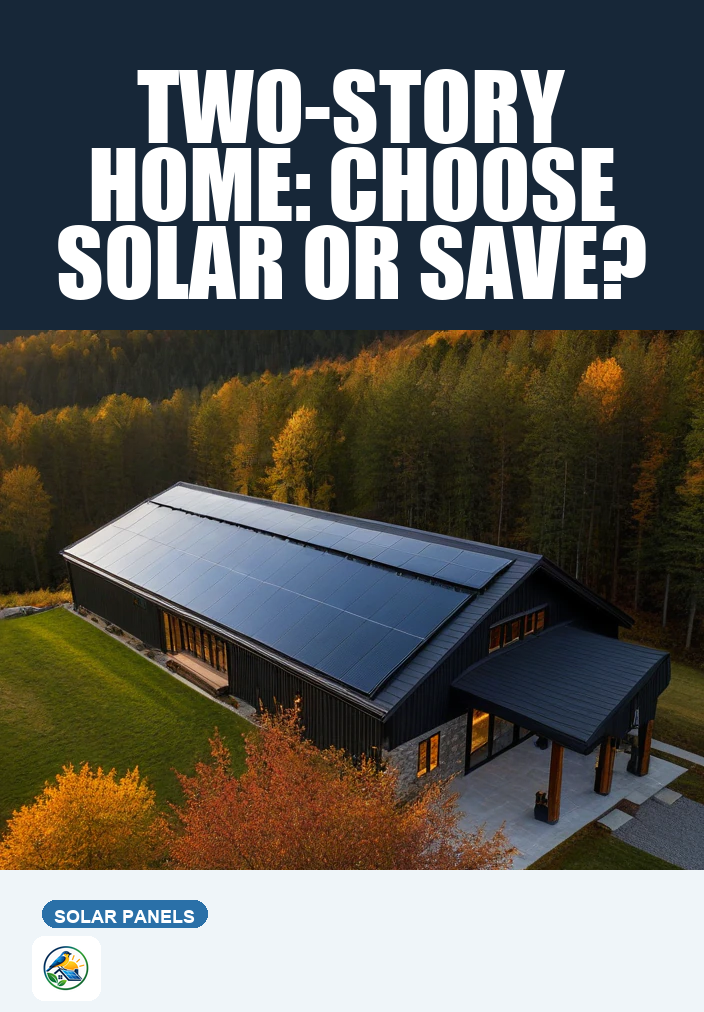
Understanding Solar Panel Solutions for Two-Story Homes
As homeowners increasingly seek energy-efficient solutions, solar panels have emerged as a popular option, particularly for two-story homes. With the right setup, solar energy can significantly reduce electricity bills and enhance energy independence. However, before diving into solar installation, it’s crucial to understand the various options available, their trade-offs, and considerations specific to two-story residences.
Key Considerations for Two-Story Homes
Two-story homes present unique challenges and advantages when it comes to solar panel installation. Here are some key factors to keep in mind:
- Roof Size and Orientation: The size and orientation of your roof can significantly impact solar panel efficiency. South-facing roofs typically receive the most sunlight, making them ideal for solar panels. However, east- and west-facing roofs can also work well, depending on shading and local climate.
- Shade and Obstructions: Trees, neighboring buildings, or other structures can cast shadows on your roof, reducing the effectiveness of solar panels. Assessing your property for potential shading is essential before installation.
- Structural Integrity: The condition of your roof is vital. Older roofs may require repairs or upgrades to support the weight of solar panels. A professional inspection can help determine if your roof is suitable for installation.
- Energy Needs: Consider your household’s energy consumption patterns. Two-story homes often have higher energy needs due to larger living spaces. Understanding your energy usage can help you choose the right solar system size.
Types of Solar Panel Systems
When considering solar panels for your two-story home, you’ll encounter several system types, each with different features and benefits:
Grid-Tied Systems
Grid-tied solar systems are the most common type for residential use. These systems are connected to the local electricity grid, allowing homeowners to draw power from the grid when solar production is insufficient and sell excess energy back to the grid. This setup is generally more cost-effective and requires less maintenance than other systems, but it does not provide power during outages unless paired with a battery backup.
Battery Backup Systems
Battery backup systems store excess energy generated during the day for use during the night or during outages. This option is particularly beneficial for homeowners in areas with unreliable grid power. However, battery systems can add significant upfront costs and have limited capacities that may not cover all energy needs during extended outages.
Off-Grid Systems
Off-grid solar systems operate independently from the grid. They are suited for remote locations but require robust battery storage and a larger solar array to meet all energy needs year-round. These systems involve higher upfront costs and ongoing maintenance, making them less common for urban two-story homes.
Finding the Right Solar System Size
Determining the appropriate size for your solar panel system is crucial for maximizing efficiency and ensuring your energy needs are met. Here’s a simple approach to estimating your requirements:
- Assess Your Energy Usage: Review your energy bills for the past year to understand your average monthly usage in kilowatt-hours (kWh).
- Calculate Solar Output: A typical solar panel produces about 300 watts of power. Depending on your roof space, you can estimate how many panels you can install. For example, if you have space for 20 panels, they might generate around 6,000 watts (or 6 kW) under optimal conditions.
- Estimate Your Needs: If your monthly usage is 600 kWh, you would need a system capable of producing that amount. This requires calculating the daily energy production needed and adjusting for seasonal variations in sunlight.
Consulting with a professional installer can provide a more accurate assessment tailored to your home’s specific conditions.
Potential Drawbacks of Solar Panels
While solar panels offer many benefits, there are also potential drawbacks to consider:
- Initial Costs: The upfront investment for solar panels and installation can be significant. While financing options exist, you should evaluate the long-term financial implications.
- Permitting and Regulations: Local regulations and permitting processes can vary widely, potentially delaying installation. It’s important to familiarize yourself with your area’s specific requirements.
- Maintenance and Repairs: Although solar panels require minimal maintenance, occasional cleaning and inspections are necessary to ensure optimal performance.
- Battery Limitations: If you opt for a battery backup, be aware of the limitations in storage capacity and the lifespan of batteries, which may require replacement after several years.
Evaluating Quotes from Installers
Once you’ve assessed your home’s suitability for solar panels, the next step is to obtain quotes from qualified installers. Here are some practical tips for evaluating your options:
- Itemized Quotes: Request detailed, itemized quotes that break down the costs of equipment, installation, permits, and any additional services.
- Experience and Reviews: Look for installers with experience in your area and positive customer reviews. Recommendations from friends or local community groups can also provide valuable insights.
- Warranties and Support: Ensure that the installer offers warranties for both the solar panels and the installation work, as this can provide peace of mind regarding the longevity and reliability of your system.
- Incentives and Financing: Inquire about available incentives, financing options, and how they may affect the overall cost of your system.
Next Steps for Homeowners
Installing solar panels in a two-story home can be a practical and effective way to enhance energy efficiency. Start by assessing your home’s conditions and energy needs, then explore different solar system options. As you obtain quotes, remember to evaluate each offer carefully, focusing on the itemized details and installer qualifications.
Solar energy may not be ideal for every home, but with the right information and professional guidance, you can make an informed decision that suits your unique situation.


















