Understanding New York Solar Installations: Common Pitfalls to Avoid
As more homeowners in New York consider solar energy, it’s essential to navigate the complexities of residential solar installations carefully. While the promise of clean energy and potential cost savings can be enticing, there are several pitfalls that can complicate the process. This article will explore common challenges homeowners face when installing solar systems and provide practical advice on how to avoid them.
Assessing Your Home’s Suitability for Solar
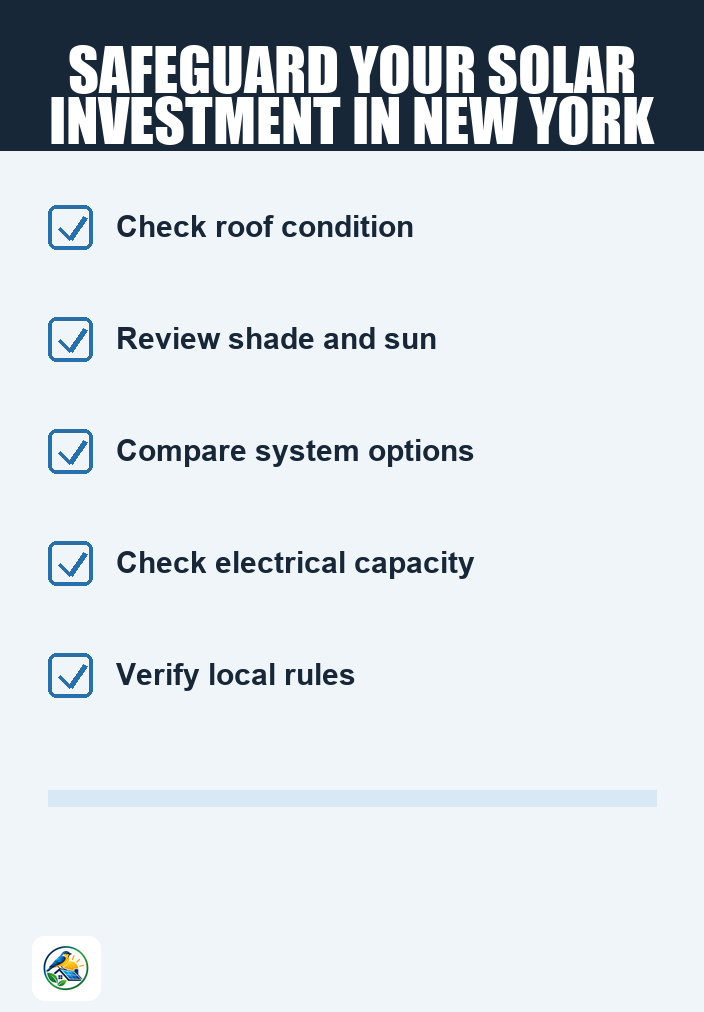
The first step in any solar installation journey is determining whether your home is suitable for solar panels. Key factors to consider include:
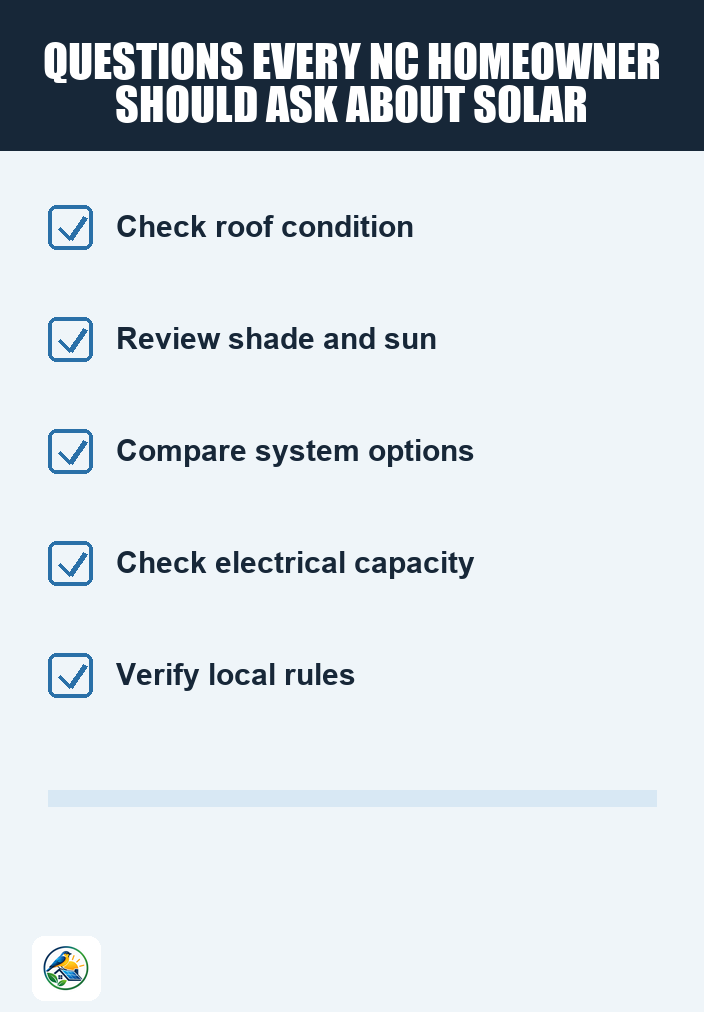
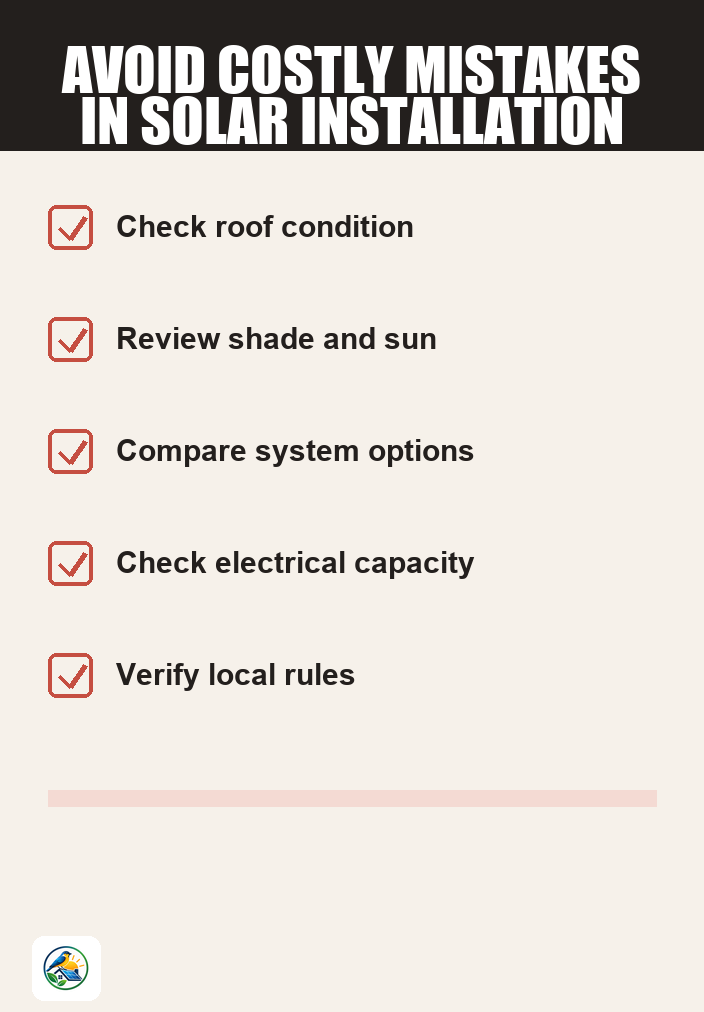
- Roof Condition: Before installing solar panels, assess the condition of your roof. If your roof is older or in disrepair, it may be wise to address these issues first to avoid costly repairs after installation.
- Roof Orientation and Pitch: South-facing roofs typically receive the most sunlight. If your roof faces east or west, or has a steep pitch, you may need to consult with an installer to determine the best solar configuration.
- Shade Factors: Trees, buildings, or other obstructions can cast shadows on your roof. Analyze how shade affects potential energy production, as shaded panels can significantly reduce efficiency.
Understanding Different Solar System Types
Not all solar systems are created equal. It’s important to understand the differences between grid-tied systems, battery backup systems, and off-grid solutions:
- Grid-Tied Systems: These are the most common type of residential solar systems. They connect to the local utility grid, allowing homeowners to draw power when solar production is low and to sell excess energy back to the grid.
- Battery Backup Systems: These systems store excess energy for use during outages or peak demand times. While they offer greater energy independence, they can come with higher upfront costs.
- Off-Grid Systems: These systems are entirely independent of the utility grid. They require a significant investment in batteries and are often best suited for remote locations.
Understanding these options will help you choose a system that best fits your energy needs and lifestyle.
Choosing the Right Installer
The choice of installer can significantly impact your solar experience. Here are some considerations when selecting a solar installation company:
- Experience and Qualifications: Look for installers with a solid track record and proper certifications. Ensure they have experience with installations in your specific area.
- Reviews and References: Research online reviews and request references from past clients. This will give you insight into the installer’s reputation and quality of work.
- Itemized Quotes: Always ask for detailed, itemized quotes from multiple installers. This transparency will help you compare costs and services effectively.
Navigating Permitting and Utility Regulations
New York has specific regulations regarding solar installations, and navigating the permitting process can be tricky. Here’s what to keep in mind:
- Permitting Process: Each municipality may have its own set of permitting requirements. Verify what is needed for your area before beginning the installation process.
- Interconnection Agreements: If you plan to connect your system to the grid, you will need to work with your utility company to complete an interconnection agreement, which can take time and may involve specific requirements.
- Net Metering Policies: Familiarize yourself with New York’s net metering policies, as these rules dictate how you will be compensated for excess energy generated by your solar system.
Understanding Financial Considerations
Investing in solar energy involves various financial aspects that deserve careful consideration:
- Initial Costs: Solar installations can be a significant investment. Be sure to understand all associated costs, including equipment, installation, and any potential upgrades to your electrical system.
- Financing Options: Explore different financing options, such as cash purchases, loans, or leases. Each option has its own implications for ownership and financial benefits.
- Incentives and Tax Credits: Various state and federal incentives may be available. However, these incentives can change, so verify the current offerings with local tax authorities or solar installers to ensure you have the most accurate information.
Maintenance and Monitoring
After installation, regular maintenance and monitoring are crucial for optimal performance:
- Regular Inspections: Schedule regular inspections to check for debris, damage, or shading issues that may impact performance.
- Monitoring Systems: Many solar systems come with monitoring tools that allow homeowners to track energy production and usage. Familiarize yourself with these tools to ensure your system operates efficiently.
Next Steps: Making Informed Decisions
As you consider installing solar panels in New York, take the time to do your research. Compare detailed, itemized quotes from qualified installers, and ensure you understand your options and the implications of your choices. Engaging with knowledgeable professionals who can provide insights specific to your home and situation will help you navigate the complexities of solar installation.
Ultimately, being informed and prepared is the best way to avoid common pitfalls in your solar installation journey.